Stainless Steel Wire Distributors
Selecting the right stainless steel wire requires understanding material grades, mechanical properties, surface finishes, and tolerances relevant to industrial applications. This guide explains key
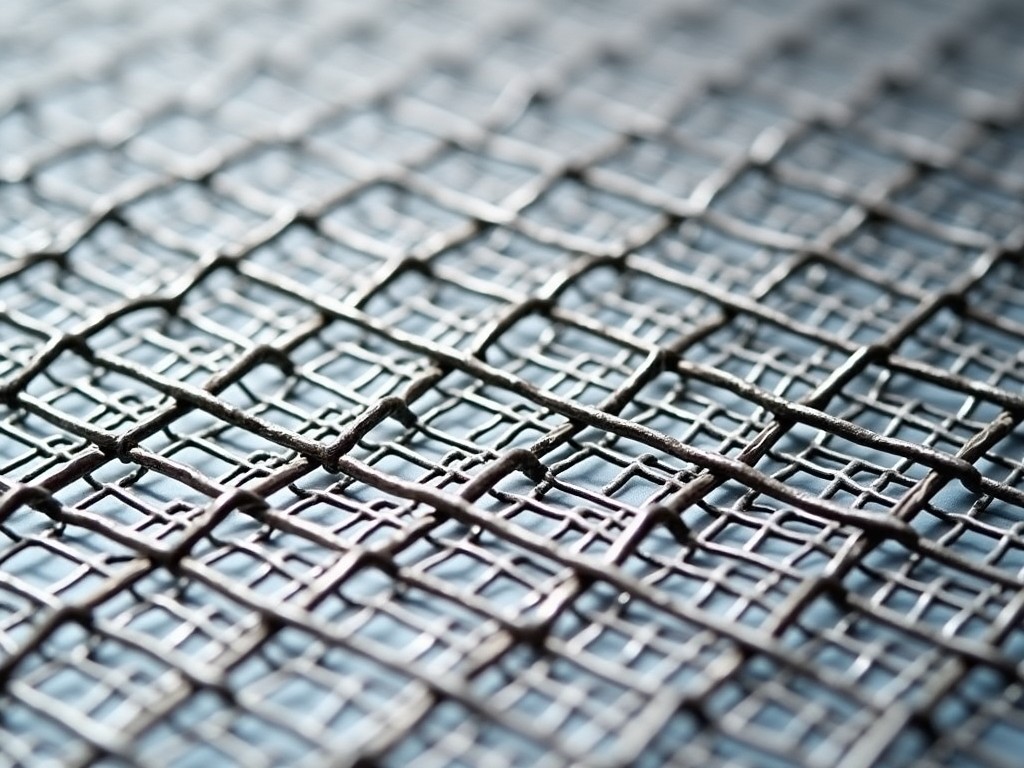
Stainless Steel Wire Distributors: Technical Specifications and Selection Guide
Selecting the right stainless steel wire requires understanding material grades, mechanical properties, surface finishes, and tolerances relevant to industrial applications. This guide explains key technical considerations to support informed procurement decisions for engineers and purchasing professionals.
Material Grades and Chemical Composition
Stainless steel wire is primarily categorized by its austenitic, ferritic, or martensitic microstructure, each offering distinct corrosion resistance and mechanical properties. Austenitic grades like 304 and 316 contain chromium (16-18%) and nickel (8-10% or 10-14%) for enhanced oxidation resistance and formability. Ferritic grades such as 430 offer lower nickel content with good resistance to stress corrosion cracking but reduced toughness at low temperatures. Martensitic grades like 420 provide higher hardness through heat treatment but sacrifice some corrosion resistance. Chemical composition directly influences performance in environments exposed to moisture, chemicals, or elevated temperatures.
Mechanical Properties and Tolerances
Tensile strength, yield strength, and elongation are critical parameters that vary by grade, diameter, and cold work level. For example, 304 stainless steel wire in annealed condition typically exhibits tensile strength between 500-700 MPa, while full hard drawn wire can exceed 1500 MPa. Elongation at break decreases with increased cold working, affecting formability in applications like spring manufacturing or weaving. Dimensional tolerances follow standards such as ASTM A228 or EN 10218-2, with tighter tolerances (±0.01mm) required for precision applications like medical devices or electrode manufacturing.
Surface Finishes and Processing
Surface finish impacts corrosion resistance, fatigue life, and compatibility with downstream processes. Common finishes include bright drawn (smooth, reflective), matte (uniform dull appearance), and coated options like zinc or polymer for specific environmental protection. Bright drawn wire undergoes final drawing through polished dies to achieve low surface roughness (Ra < 0.2μm), reducing stress concentration points. Annealed wire receives a uniform oxide scale removed via pickling, resulting in a matte finish suitable for further forming. Surface condition must be evaluated based on exposure to cyclic loading, adhesive bonding, or food-grade hygiene requirements.
Application-Specific Selection Logic
Choosing the appropriate wire involves matching material properties to service conditions. In marine environments, 316 grade is preferred over 304 due to molybdenum addition (2-3%) which enhances resistance to chloride-induced pitting. For high-temperature exhaust systems, grades like 321 or 347 with titanium or niobium stabilization prevent sensitization during welding cycles. In food processing equipment, electropolished 316L wire minimizes crevice corrosion and supports cleanability standards. Springs and fasteners often utilize cold-drawn 302 or 304 for high strength-to-diameter ratios, while welding electrodes require precise diameter control and low hydrogen content.
Quality Control and Testing Methods
Reliable distributors implement traceable quality control aligned with international standards. Diameter consistency is verified using laser micrometers or contact gauges at multiple points along the coil. Tensile testing follows ASTM A370 to confirm mechanical properties match specified temper. Surface inspection identifies seams, pits, or drawing defects under 10x magnification. Corrosion resistance may be assessed via salt spray testing (ASTM B117) or copper sulfate verification for stainlessness. Certification documents including mill test reports (MTRs) and compliance with RoHS or REACH should be available upon request.
| Property | Typical Range (304 Annealed) | Typical Range (316 Full Hard) | Relevant Standard |
|---|---|---|---|
| Diameter Tolerance | ±0.02mm | ±0.015mm | ASTM A228 |
| Tensile Strength | 500-700 MPa | 1400-1800 MPa | ASTM A370 |
| Elongation at Break | 40-60% | 5-15% | ASTM A370 |
| Surface Roughness (Ra) | 0.1-0.3μm | 0.2-0.5μm | ISO 4287 |
Customization and Supply Considerations
Industrial buyers often require specific configurations beyond standard catalog offerings. Customization options include precise diameter increments (e.g., 0.01mm steps), custom spool weights (5kg to 500kg), specialized packaging (vacuum-sealed, anti-corrosion paper), and length-based pricing for cut-to-length orders. Lead times depend on grade availability, temper requirements, and order volume, typically ranging from 2-4 weeks for stocked items to 6-8 weeks for special alloys or tight tolerances. Technical support should include assistance with material selection based on environmental exposure, load calculations, and regulatory compliance.


More Products

Send Inquiry
If you are interested in our products, leave your information here and we will be in touch shortly.