2026-09-29
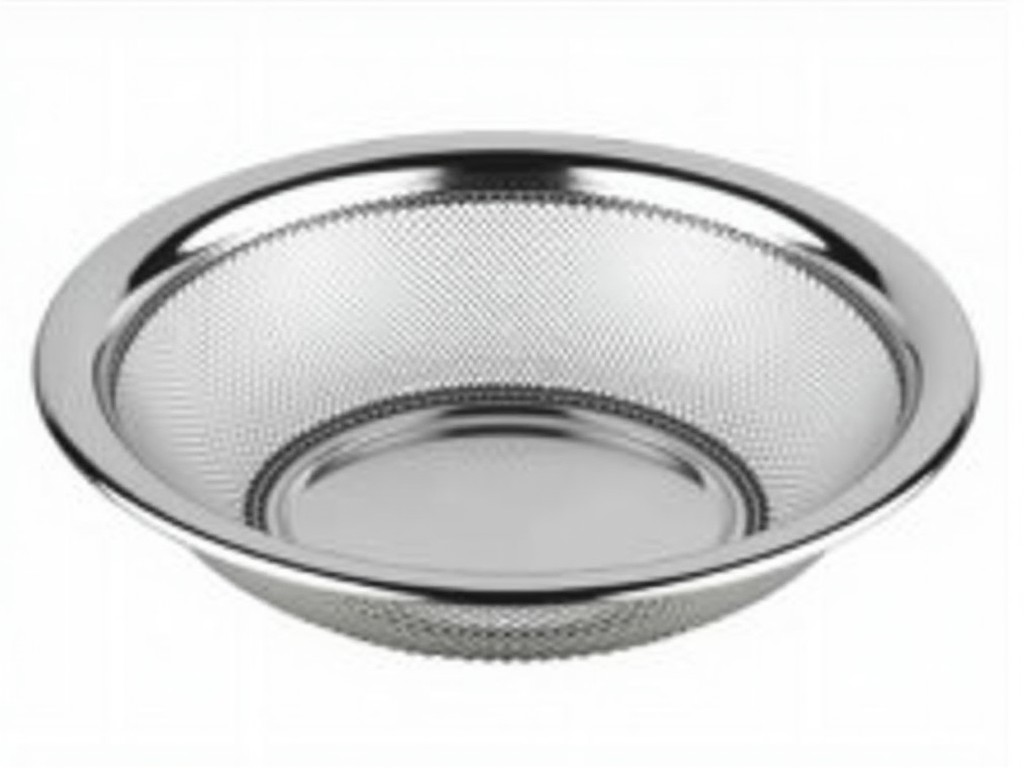
1 2 Inch Stainless Steel Basket Strainer
A 1 2 inch stainless steel basket strainer is a filtration device designed to remove solid particulates from liquid or gas flow in piping systems. The designation refers to the nominal pipe size
1 2 inch stainless steel basket strainer
A 1 2 inch stainless steel basket strainer is a filtration device designed to remove solid particulates from liquid or gas flow in piping systems. The designation refers to the nominal pipe size compatibility—specifically, a strainer body with inlet and outlet connections sized for 1-inch and 2-inch nominal pipe diameters. These strainers are commonly used in industrial process lines where protection of downstream equipment such as pumps, valves, heat exchangers, or nozzles is required. The basket element captures debris larger than the screen opening, allowing clean fluid to pass while preventing abrasion, clogging, or mechanical damage. Unlike Y-type or duplex strainers, basket strainers offer a larger screen area and are typically installed in horizontal pipelines for easy access during maintenance.
The strainer body is typically constructed from stainless steel grades such as 304 or 316L, selected based on corrosion resistance requirements in the process environment. 304 stainless steel provides adequate resistance to atmospheric oxidation and mild chemical exposure, while 316L offers superior performance in chloride-rich environments, such as marine applications or chemical processing involving acids and salts. The basket itself is fabricated from perforated stainless steel sheet or woven wire mesh, with screen openings ranging from 20 mesh to 400 mesh depending on the particle size to be filtered. Perforated baskets are used for larger debris removal, whereas mesh liners enable fine filtration. The screen is supported internally to withstand differential pressure without deformation, and the entire assembly is designed for easy removal during cleaning or replacement.
Key Design Features
The basket strainer incorporates several engineering features to ensure reliable operation under varying process conditions. The body is designed with a threaded, flanged, or weld-end connection to match the 1-inch and 2-inch pipe interfaces, allowing flexibility in installation. A hinged or bolted cover provides access to the basket for routine maintenance without removing the entire unit from the line. The cover gasket, typically made of PTFE, graphite, or elastomeric material, ensures a leak-tight seal under pressure and temperature fluctuations. An optional blow-down valve can be installed at the bottom of the housing to allow periodic purging of accumulated solids without disassembly, improving operational efficiency in continuous service applications.
Typical Applications
These strainers are widely used in industries where fluid purity and equipment protection are critical. In chemical processing, they prevent catalyst particles or polymer fines from damaging downstream reactors or extrusion equipment. In food and beverage production, 316L stainless steel basket strainers remove pulp, seeds, or sediment from liquids such as juices, syrups, or dairy products, ensuring product quality and compliance with hygiene standards. In water treatment systems, they protect membrane filters and reverse osmosis units from sand, rust, or organic debris. In oil and gas facilities, they safeguard injectors, meters, and control valves from scale, weld slag, or pipe scale in hydrocarbon or water injection lines. The 1 2 inch size is particularly common in bypass lines, sampling systems, and auxiliary circuits where full-line straining is not required but localized protection is essential.
| Specification | Typical Value / Option |
|---|---|
| Nominal Pipe Size | 1 inch and 2 inch (inlet/outlet) |
| Body Material | ASTM A240 Type 304 or 316L Stainless Steel |
| Basket Material | Perforated SS (Ø1.5mm–3mm) or Wire Mesh (20–400 Mesh) |
| Pressure Rating | Up to 200 psi (dependent on flange class and temperature) |
| Temperature Range | -20°F to 400°F (standard gasket); higher with special seals |
| Connection Types | Threaded (NPT), Flanged (ASME B16.5), Socket Weld, Butt Weld |
| Screen Area | Typically 3–5x pipe cross-sectional area for low pressure drop |
| Maintenance Access | Hinged cover or bolted flange with quick-release option |
Material selection and screen specification are critical to performance and longevity. Using a screen that is too fine can lead to excessive pressure drop and frequent cleaning, while a screen that is too coarse fails to protect sensitive equipment. Engineers typically determine the appropriate mesh size based on the smallest particle that could cause damage downstream, often referencing equipment manufacturer guidelines. For example, a pump with close-running clearances may require 100 mesh protection, whereas a heat exchanger might only need 20 mesh to prevent tube blockage. The strainer’s open area ratio—the percentage of open screen relative to total surface—directly affects flow capacity; a well-designed basket maintains a pressure drop below 1 psi under normal flow conditions to avoid energy loss in the system.
Manufacturing considerations include dimensional accuracy, surface finish, and weld integrity. The body is formed from rolled plate or forged blanks, with machined flange faces to ensure proper sealing. Internal surfaces are typically pickled and passivated to remove free iron and enhance corrosion resistance, especially in 316L grades. The basket is precision-perforated or woven to maintain consistent opening size and structural rigidity. Welds on the body and cover lugs are inspected visually and, if required, undergo dye penetrant testing to detect surface defects. Final assembly includes torque-controlled fastening of the cover to prevent gasket distortion. Each unit undergoes hydrostatic or pneumatic pressure testing to verify leak integrity before shipment.
For procurement, providing specific application details ensures accurate quotation and optimal design. Key information includes the fluid type, operating temperature and pressure, flow rate, particle size to be removed, and required connection type. If the strainer is intended for sanitary applications, surface finish requirements (e.g., Ra ≤ 32 μin) and internal polish may be specified. In explosive or hazardous environments, additional certifications such as ATEX or IECEx may be needed. While standard configurations are available from stock, custom options—such as magnetic baskets for ferrous debris, offset handles for tight spaces, or differential pressure taps for monitoring clogging—can be engineered upon request. Lead times typically range from 2 to 4 weeks for standard units, with longer schedules for complex modifications or material certifications.
Routine maintenance involves periodic inspection and cleaning of the basket to prevent pressure buildup and maintain flow efficiency. The frequency depends on the dirt load in the system; in clean services, inspection every 3–6 months may suffice, while in dirty or abrasive flows, weekly checks may be necessary. During maintenance, the basket is removed, rinsed, and inspected for damage such as tears, deformation, or clogging that cannot be cleared by backwashing. Gaskets should be replaced if they show signs of compression set, cracking, or chemical degradation. Keeping a spare basket on hand minimizes downtime during cleaning cycles. Proper maintenance not only extends the life of the strainer but also protects the investment in downstream equipment.
To ensure compatibility and performance, consult with a technical representative who can review your system parameters and recommend the appropriate strainer configuration. Provide details on your piping layout, fluid characteristics, and protection goals to receive a tailored solution. Whether you need a standard 304 stainless steel unit for general service or a 316L model with a fine mesh liner for critical filtration, engineering support is available to guide selection, installation, and maintenance planning. Share your requirements to begin the quotation process and receive documentation including material test reports, dimensional drawings, and installation instructions.

RELATED PRODUCTS
More Products

×
Send Inquiry
If you are interested in our products, leave your information here and we will be in touch shortly.