B2B Metal Window Screen Protector
Metal window screen protectors are engineered to provide physical barrier protection for architectural and industrial glazing systems. Unlike polymeric alternatives, they resist UV degradation,
B2B Metal Window Screen Protector
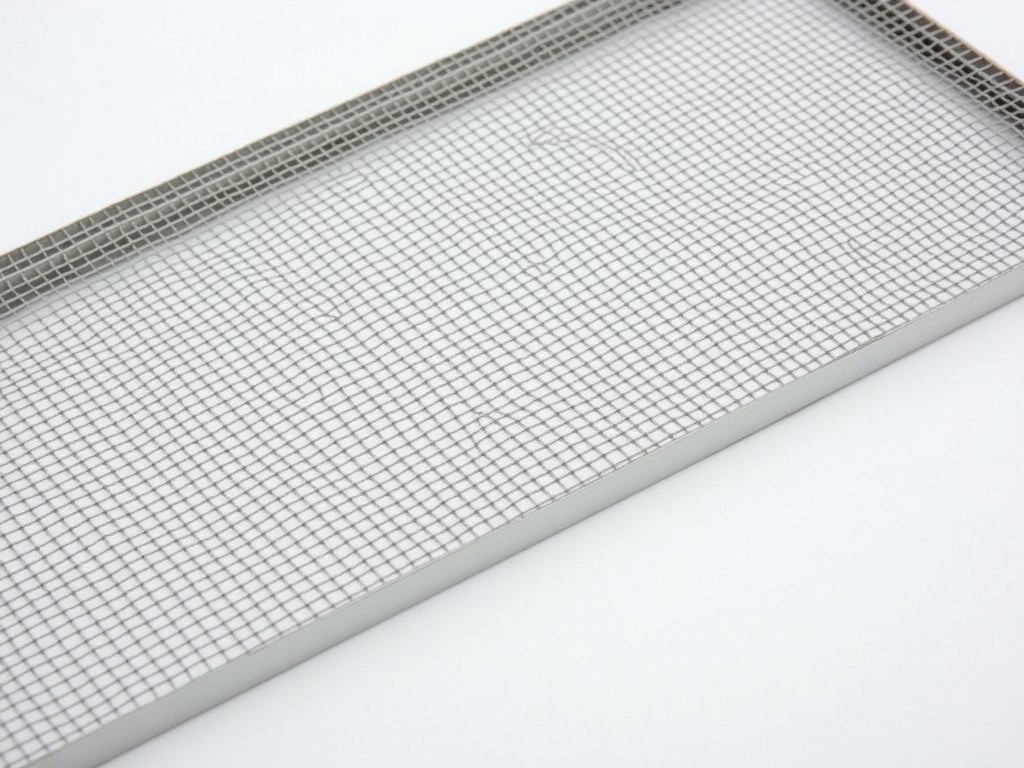
Metal window screen protectors are engineered to provide physical barrier protection for architectural and industrial glazing systems. Unlike polymeric alternatives, they resist UV degradation, maintain dimensional stability across temperature extremes, and offer superior impact resistance in high-traffic or hazardous environments.
These components are commonly specified for facade systems in commercial buildings, transportation infrastructure, and manufacturing facilities where long-term durability and low maintenance are critical. Their primary function is to prevent damage to underlying glazing from debris, vandalism, or accidental impact while preserving optical clarity and ventilation performance.
Selection criteria typically include wire diameter, aperture size, material composition, and edge treatment—each influencing load-bearing capacity, corrosion resistance, and installability. Industrial buyers evaluate these parameters against environmental exposure, mechanical loads, and regulatory requirements to ensure service life alignment with building lifecycle expectations.
Material Composition and Performance Characteristics
The base material is typically austenitic stainless steel (AISI 304 or 316) due to its chromium-nickel alloy structure, which forms a passive oxide layer that resists oxidation in humid, saline, or chemically aggressive environments. Grade 316 includes molybdenum, enhancing resistance to chlorides and industrial pollutants—making it suitable for coastal or chemical processing zones.
Wire diameter ranges from 0.8mm to 2.0mm, directly affecting tensile strength and deflection under load. A 1.2mm wire in a 304 stainless steel mesh yields approximately 450 MPa ultimate tensile strength, while maintaining sufficient flexibility for rolling or framing into standard window recesses. Aperture sizes vary from 1.5mm x 1.5mm to 6.0mm x 6.0mm, balancing impact resistance with airflow and light transmission.
Surface treatments include passivation (to remove free iron and enhance corrosion resistance) or electropolishing (for smoother finish and reduced particulate adhesion). These processes do not alter bulk properties but significantly improve long-term surface integrity in environments with frequent cleaning or airborne particulates.
Design and Installation Considerations
Protectors are fabricated as either flat panels or rolled coils, depending on installation method and window geometry. Flat panels are stamped or laser-cut to precise dimensions with hemmed or folded edges to prevent wire exposure and facilitate mechanical fastening. Rolled versions are tensioned within extruded aluminum or PVC-u channels, allowing for retrofit into existing framing systems without glazing removal.
Edge treatments are critical to safety and durability. Hemmed edges (typically 5–10mm fold) eliminate sharp protrusions and increase edge stiffness. Welded or clamped intersections at corners prevent unraveling under cyclic loading. Fastening methods include mechanical clips, adhesive-backed strips, or snap-in profiles—each selected based on substrate compatibility, accessibility, and required removal frequency.
Clearance between the protector and glazing surface is maintained via spacer beads or low-friction pads to prevent abrasion during thermal expansion or wind-induced vibration. This gap, usually 1–3mm, ensures no direct contact while maintaining protective function. Dimensional tolerances are held to ±0.5mm for width and height to ensure proper fit within standard architectural profiles.
Typical Applications in Industrial and Commercial Settings
In transportation hubs such as train stations and airports, these protectors shield glazing from thrown objects, luggage impacts, and vandalism—reducing repair frequency and enhancing passenger safety. The open mesh design preserves sightlines and airflow, critical for ventilation and emergency egress compliance.
Manufacturing facilities use them on control room windows and observation panels to guard against flying debris, metal shavings, or coolant splatter. Here, chemical resistance to oils and cleaning agents is prioritized, often leading to specification of 316 stainless steel with electropolished finish.
Retail and commercial façades benefit from their ability to deter smash-and-grab attempts without compromising architectural aesthetics. Unlike solid bars or grilles, metal screens maintain visual transparency and do not obstruct signage or display lighting—making them a preferred solution where security and design intent must coexist.
Data centers and telecom installations specify them for exterior windows to mitigate hail or storm-driven debris damage while maintaining electromagnetic neutrality—unlike ferrous alternatives, austenitic stainless steel does not distort local magnetic fields or interfere with sensitive equipment.
Customization Options and Engineering Support
Customization begins with defining the operational environment: exposure to salt spray, industrial chemicals, UV intensity, and expected impact energy. Based on these inputs, material grade, wire diameter, and aperture are selected to meet required service life—typically 15–25 years in non-marine urban settings, 10–15 years in coastal zones with 316 grade.
Dimensional flexibility allows for non-standard shapes—arched, tapered, or perforated to accommodate mullions, handles, or sensors. CNC laser cutting enables tolerances of ±0.2mm for complex geometries, while preserving wire integrity at cut edges. Edge treatments can be tailored to match existing glazing gaskets or drainage channels.
Surface finishes can be specified for aesthetic integration: brushed, matte, or powder-coated in RAL colors to match window frames—though coating adds thickness and may slightly reduce aperture efficiency. Anodized aluminum alternatives are available for weight-sensitive applications, though they sacrifice corrosion resistance compared to stainless steel.
Engineering support includes load deflection modeling based on wire mesh mechanics, corrosion rate prediction per ISO 9223, and optical transmission calculations (typically 60–85% visible light transmittance depending on aperture). Samples are provided as representative sections for on-site evaluation under actual lighting and environmental conditions.
Quality Control and Manufacturing Standards
Raw material is sourced with mill test reports verifying chemical composition (Cr, Ni, Mo content) and mechanical properties. Incoming wire undergoes diameter and tensile testing per ASTM A370 before weaving. The weaving process uses precision looms to ensure uniform aperture geometry and consistent wire tension—critical for predictable load distribution.
Post-weaving, panels are inspected for wire breaks, misweaves, or edge irregularities using 10x magnification and automated optical systems. Dimensional verification is performed via calibrated calipers and CMM for complex shapes. Surface treatments are validated through salt spray testing (ASTM B117) and passivation verification via copper sulfate test (ASTM A380).
Final inspection includes edge safety checks (no protrusions >0.5mm), flatness tolerance (<1.5mm deviation over 1m), and adhesion testing for coated variants. Packaging uses corrosion-inhibiting interleaving and moisture-barrier wrap to prevent staining during transit. All documentation, including material certifications and test reports, is retained for traceability and provided upon request.
| Parameter | Typical Range / Value | Notes |
|---|---|---|
| Wire Diameter | 0.8mm – 2.0mm | Affects tensile strength and flexibility |
| Aperture Size | 1.5mm x 1.5mm – 6.0mm x 6.0mm | Balances protection, visibility, airflow |
| Material Grade | AISI 304, 316 | 316 preferred for chloride exposure |
| Tensile Strength (Wire) | 500 – 700 MPa | Dependent on grade and cold work |
| Light Transmittance | 60% – 85% | Decreases with smaller aperture/wire size |
| Expected Service Life | 10 – 25 years | Dependent on environment and grade |
For project-specific configurations, material selection guidance, or technical data sheets, contact our engineering team to discuss your requirements. We provide detailed drawings, load calculations, and sample arrangements upon request.
To initiate a quotation or request samples, please visit our contact page or submit your specifications through the inquiry form.
Request Technical Consultation
More Products

Send Inquiry
If you are interested in our products, leave your information here and we will be in touch shortly.