B2B Knitted Wire Mesh Filter Gasket
Knitted wire mesh filter gaskets combine the sealing function of a gasket with the filtration capability of a woven metal mesh. They are used in industrial systems where both fluid containment and
B2B Knitted Wire Mesh Filter Gasket
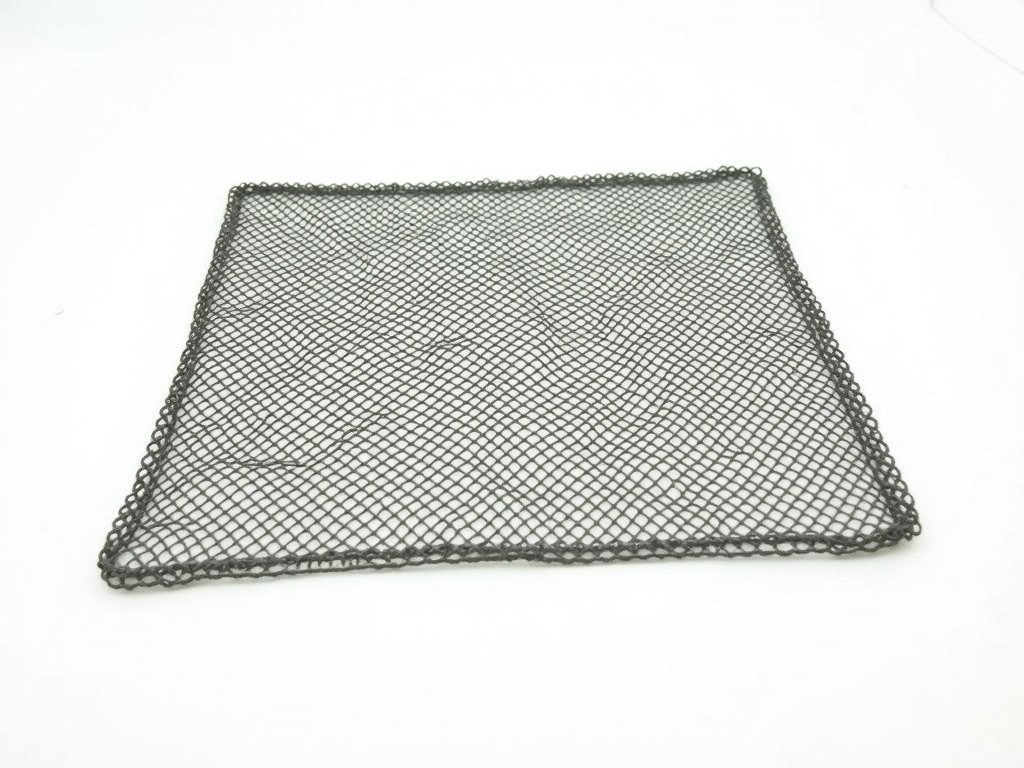
Knitted wire mesh filter gaskets combine the sealing function of a gasket with the filtration capability of a woven metal mesh. They are used in industrial systems where both fluid containment and particulate removal are required simultaneously. The knitted structure provides compressibility for sealing while maintaining open area for flow.
These components are typically installed in flange connections, pump housings, valve bodies, or process equipment where leakage must be prevented and contaminants filtered from liquids or gases. The mesh acts as a barrier to particles larger than its opening size, while the gasket profile ensures a tight seal under bolt load.
Material selection depends on the operating environment, including temperature, pressure, chemical exposure, and required filtration rating. Common alloys include stainless steel grades (304, 316L), Monel, Hastelloy, and Inconel, each chosen for corrosion resistance and mechanical stability.
Technical Construction and Design
The gasket is formed by knitting metal wire into a continuous loop or strip, then shaping it into a profile that matches the flange sealing surface—commonly flat, oval, or custom geometries. The knitting process creates interlocking loops that allow compression and recovery without permanent deformation.
Wire diameter typically ranges from 0.10 mm to 0.30 mm, influencing both filtration precision and compressibility. Finer wires increase open area and capture smaller particles but reduce burst resistance; thicker wires improve durability at the cost of flow efficiency.
The mesh opening size, determined by wire diameter and knit density, defines the nominal filtration rating. Standard ratings range from 25 microns to 500 microns, with custom options available for specialized process requirements.
Material Options and Performance Characteristics
Material choice directly affects chemical compatibility, temperature limits, and mechanical longevity. Stainless steel 304 is suitable for general-purpose applications in water, air, and mild chemicals up to 400°C. Grade 316L offers improved chloride resistance for marine or chemical processing environments.
For highly corrosive media such as acids, alkalis, or oxidizing agents, nickel-based alloys like Monel 400 or Hastelloy C-276 are used. These maintain integrity at temperatures exceeding 500°C and resist pitting and stress corrosion cracking.
In extreme temperature or high-pressure applications, Inconel alloys provide oxidation resistance and retained strength where stainless steels may creep or degrade. Material selection is always based on the specific process fluid, temperature profile, and pressure cycling expected in service.
Applications in Industrial Systems
In hydraulic and lubrication systems, knitted wire mesh gaskets are used in filter housings and pump suction lines to capture wear debris and prevent downstream damage to valves, actuators, and bearings. Their dual function eliminates the need for separate filter elements and gaskets, reducing assembly complexity.
In chemical processing, they seal reactor vents, condenser outlets, or piping flanges while filtering catalyst fines or polymer particulates that could foul heat exchangers or clog nozzles. The metal construction withstands cleaning-in-place (CIP) cycles and steam sterilization.
In food and beverage processing, 316L stainless steel versions are employed in sanitary flange connections for filtering pulp, yeast, or protein aggregates during transfer, meeting hygienic design requirements while ensuring leak-proof joints under frequent disassembly.
Customization and Design Considerations
Beyond standard profiles, gaskets can be manufactured with reinforcing rings, outer jackets, or varying cross-sections to accommodate high-pressure flanges or uneven sealing surfaces. The knitted mesh can be layered or combined with solid metal strips for added blowout resistance.
Filtration rating is customized by adjusting wire diameter, knit pitch, and number of layers. Multi-layer configurations allow gradient filtration—coarser outer layers capture large particles, finer inner layers trap fines—reducing clogging and extending service life.
Dimensions are tailored to match flange standards (ANSI, DIN, JIS) or non-standard equipment. Providing flange size, pressure class, groove dimensions, and operating conditions enables accurate quoting and prototyping.
| Parameter | Typical Range / Options | Notes |
|---|---|---|
| Wire Diameter | 0.10 mm – 0.30 mm | Affects filtration rating and compressibility |
| Mesh Opening | 25 µm – 500 µm | Nominal filtration rating; customizable |
| Material | 304 SS, 316L SS, Monel, Hastelloy, Inconel | Selected based on corrosion and temperature |
| Operating Temperature | -200°C to 800°C (material-dependent) | Limited by alloy oxidation and creep |
| Pressure Rating | Up to 400 bar (with reinforcement) | Dependent on flange design and gasket profile |
| Standard Profiles | Flat, oval, octagonal, custom | Matched to flange groove or face |
Quality Assurance and Testing
Each batch undergoes dimensional verification against CAD models or physical templates to ensure proper fit and compression characteristics. Wire diameter and mesh count are checked using optical comparators or calibrated gauges to confirm filtration rating consistency.
Material traceability is maintained through mill certifications, and positive material identification (PMI) is available upon request for alloy verification. Surface inspection ensures no loose wires, knots, or defects that could compromise sealing or filtration integrity.
Functional validation may include bubble point testing to confirm pore size distribution or compression recovery testing to assess sealing performance under simulated bolt load. These tests are conducted based on customer specifications or industry standards.
Inquiry and Procurement Information
To receive a quotation or technical consultation, provide the required inner and outer diameters, profile shape, wire material preference, filtration rating (micron size), and estimated quantity. Details about the operating fluid, temperature range, and pressure conditions help optimize material and design recommendations.
Samples are available for validation testing prior to bulk production. Lead times typically range from 2 to 4 weeks for standard materials, with expedited options available for critical projects. All packaging is designed to prevent deformation during transit, using rigid trays or sealed containers as needed.
For technical support, material selection guidance, or custom design assistance, contact our engineering team via the inquiry form. We respond to all requests within one business day with detailed feedback and next steps.
For product inquiries, technical specifications, or custom design support, please reach out to our team.
Submit Inquiry
More Products

Send Inquiry
If you are interested in our products, leave your information here and we will be in touch shortly.