Aluminium Window Security Grilles And Screens
Security grilles and screens for windows serve as physical barriers that deter unauthorized entry while maintaining ventilation and daylight access. Aluminium is frequently selected for these
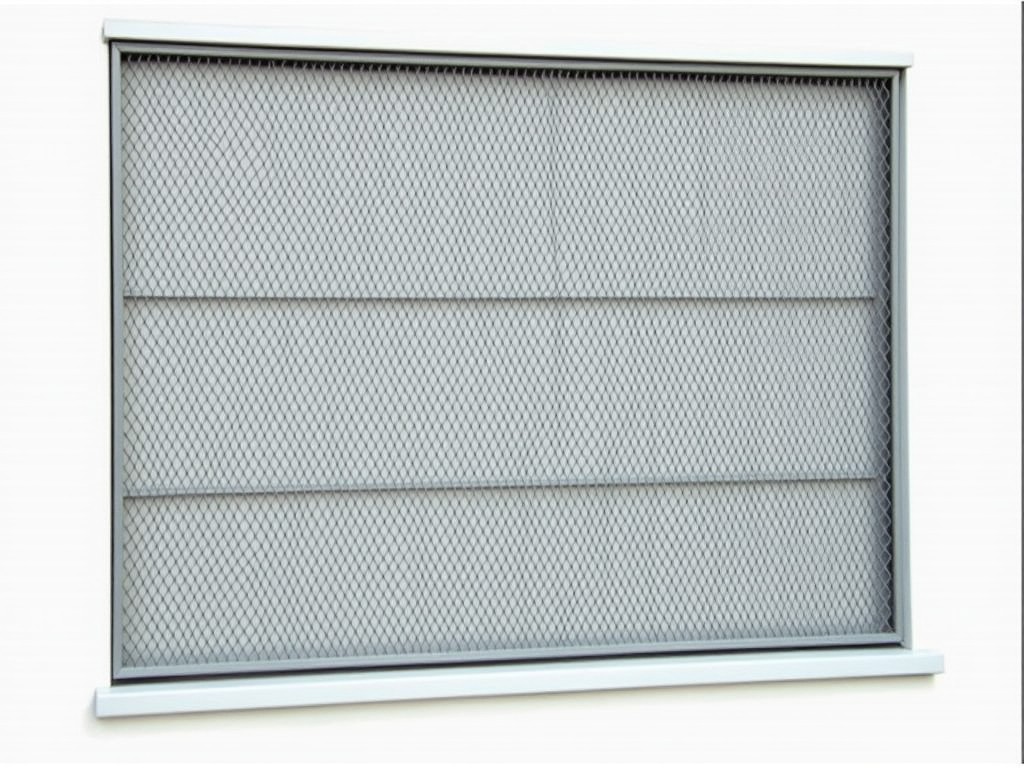
Aluminium Window Security Grilles and Screens
Security grilles and screens for windows serve as physical barriers that deter unauthorized entry while maintaining ventilation and daylight access. Aluminium is frequently selected for these applications due to its strength-to-weight ratio, corrosion resistance, and adaptability to various architectural profiles. Unlike steel alternatives, aluminium does not require protective coatings in most environments, reducing long-term maintenance needs. The material’s non-magnetic properties also make it suitable for facilities with sensitive electronic equipment. Industrial buyers prioritize these characteristics when specifying perimeter security for manufacturing plants, data centers, and utility infrastructure.
Structural Design and Load Performance
The structural integrity of aluminium security grilles depends on profile geometry, wall thickness, and joint configuration. Extruded sections with reinforced corners and intermediate mullions distribute impact loads across the frame, minimizing localized deformation. Typical designs incorporate vertical bars spaced at 100–150 mm intervals to prevent hand or tool insertion while allowing airflow. Horizontal members are often shaped as Z-profiles or box sections to increase bending resistance without adding significant weight. Engineering calculations for wind load and forced entry resistance follow standards such as AS 5041 and LPS 1175, with deflection limits typically set to L/150 under test loads.
Material Specifications and Alloy Selection
Commonly used aluminium alloys for security grilles include 6060-T5 and 6063-T5, offering tensile strengths between 150–250 MPa and yield strengths of 80–180 MPa. These alloys provide sufficient hardness to resist cutting and bending attempts while remaining formable for complex extrusions. Surface treatments such as anodizing (minimum 15 µm thickness) or powder coating (60–80 µm dry film) enhance surface durability and UV stability. In coastal or industrial environments, marine-grade alloys like 5052-H32 may be specified for improved chloride resistance. All material selections are traceable to mill test certificates upon request.
Customization Options for Project Integration
Security grilles are engineered to match specific window openings, requiring precise dimensional coordination with existing frames or new construction. Customization includes variable bar spacing, angular or curved frame profiles, and integration with operable window mechanisms such as casements or sliders. Mounting methods range from surface-fixed brackets to recessed reveals, depending on clearance and aesthetic requirements. Locking systems can be incorporated directly into the grille design, featuring multi-point engagement with stainless steel components. All modifications are documented in shop drawings that include tolerances, material callouts, and finish specifications.
Manufacturing Process and Quality Control
Production begins with CNC-cut aluminium extrusions, followed by precision notching and drilling for assembly. Joints are typically joined using mechanical fasteners or concealed brackets to avoid heat-affected zones that could weaken the material. Welding, when used, employs TIG techniques with filler rods matching the base alloy, followed by post-weld heat treatment if required. Each unit undergoes dimensional verification against approved drawings, with critical features checked using calibrated gauges. Surface finish quality is assessed visually and with gloss meters where applicable, ensuring consistency across batches.
Performance Testing and Certification
Security performance is validated through standardized tests that simulate common attack methods. These include manual tool attacks (using screwdrivers, levers, and saws) and dynamic impact tests with weighted impactors. Results are classified according to resistance levels, with higher ratings indicating longer delay times against forced entry. While specific certifications vary by region, many products comply with EN 1627–1630 or equivalent national standards. Test reports are available for review during the quotation phase, allowing buyers to verify performance claims against project requirements.
Applications in Industrial and Commercial Facilities
Aluminium window security grilles are commonly installed in ground-floor and basement windows of manufacturing plants where ground-level access presents a security risk. In data centers, they provide a visible deterrent while allowing cooling airflow through ventilation openings. Utility substations use them to protect control room windows from vandalism without obstructing meter readings or indicator lights. Educational institutions and healthcare facilities specify grilles for ground-level windows in high-traffic areas, balancing safety with the need for natural light. The lightweight nature of aluminium reduces structural load on older buildings where retrofitting heavier steel systems may not be feasible.
Comparison with Alternative Materials
Compared to steel grilles, aluminium alternatives offer approximately one-third the weight for equivalent stiffness, simplifying handling and installation. Steel requires galvanizing or painting to prevent rust, adding maintenance cycles over the product lifecycle. Aluminium’s natural oxide layer provides inherent corrosion resistance in most atmospheres, reducing lifecycle costs. While steel may achieve higher ultimate tensile strength, aluminium grilles are designed to meet security thresholds through geometry and alloy selection rather than relying solely on material strength. Stainless steel options exist for extreme environments but carry a significant cost premium over aluminium solutions.
Installation Considerations and Site Requirements
Proper installation ensures that the grille performs as designed under load. Openings must be square and within specified tolerances to avoid pre-loading the frame. Shims are used to achieve planar alignment, with fasteners spaced according to engineer recommendations—typically at 300 mm intervals along the perimeter. Sealants compatible with aluminium and the surrounding substrate prevent water ingress at junctions. Access for future maintenance or cleaning should be considered during design, particularly for fixed grilles where removal is not intended. Coordination with window suppliers ensures that operational hardware remains unobstructed.
Typical Product Parameters
| Parameter | Typical Value / Range |
|---|---|
| Profile Depth | 40–80 mm |
| Bar Diameter (Round) | 12–20 mm |
| Bar Spacing (Clear Opening) | 100–150 mm |
| Frame Thickness | 2.0–3.0 mm |
| Standard Finish | Anodized (AA15) or Powder Coated (60–80 µm) |
| Maximum Panel Width | 1200 mm (single section) |
| Wind Load Resistance | Up to 2.0 kPa (tested) |
| Impact Resistance (LPS 1175) | Available upon request (SR1–SR3) |
For project-specific requirements, including custom sizes, finishes, or security ratings, technical documentation and quotation support are available. Please provide opening dimensions, wall construction details, and any applicable performance standards when inquiring. Our engineering team will review the specifications and return a detailed response with lead times, material certifications, and installation guidance.
Request Technical Specification or Quotation
More Products

Send Inquiry
If you are interested in our products, leave your information here and we will be in touch shortly.