B2B Perforated Metal Sheet Price
Perforated metal sheets are engineered components used across industrial applications where controlled airflow, light transmission, sound attenuation, or filtration is required. The perforation
B2B Perforated Metal Sheet: Technical Specifications and Pricing Considerations
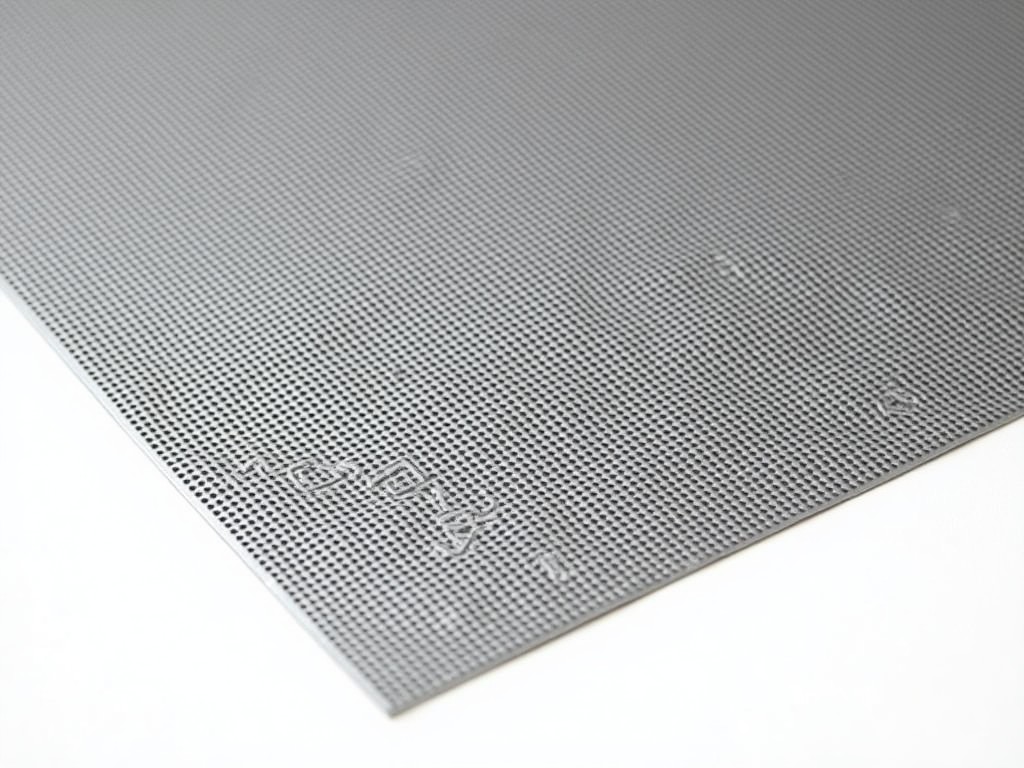
Perforated metal sheets are engineered components used across industrial applications where controlled airflow, light transmission, sound attenuation, or filtration is required. The perforation pattern—defined by hole size, shape, spacing (pitch), and arrangement—directly influences structural integrity, open area percentage, and functional performance. Understanding these variables is essential for accurate specification and cost estimation in B2B procurement.
Material selection significantly affects both performance and price. Common substrates include cold-rolled steel (SPCC), hot-rolled steel (SS400), stainless steel (304, 316), aluminum (1050, 5052), and galvanized steel. Each material offers distinct corrosion resistance, strength-to-weight ratio, and formability. For example, 304 stainless steel provides excellent oxidation resistance in humid environments but costs approximately 2.5–3× more than cold-rolled steel of equivalent thickness. Aluminum alloys offer lightweight alternatives with good formability but lower tensile strength compared to steel.
Thickness (gauge) and sheet dimensions are primary cost drivers. Standard thicknesses range from 0.5 mm to 6.0 mm, with incremental pricing per 0.1 mm increase. Typical sheet sizes include 1000×2000 mm, 1250×2500 mm, and 1500×3000 mm, though custom dimensions are available. Larger formats reduce handling costs per square meter but may increase material waste during nesting. Thinner gauges (<1.0 mm) are more susceptible to deformation during perforation and may require backup support, adding to processing complexity.
The perforation pattern itself dictates manufacturing complexity and thus cost. Round holes are the most economical to produce due to standardized tooling. Square, slotted, hexagonal, or custom shapes require specialized punches or laser cutting, increasing tooling and setup costs. Pitch (center-to-center distance between holes) affects open area: tighter pitches increase open area but reduce material bridges between holes, potentially weakening the sheet. A 60% open area round hole pattern in 1.0 mm steel typically costs less than a 40% open area hexagonal pattern in the same material due to higher punch density and tool wear.
Surface treatments add functional value and influence pricing. Options include mill finish (as-produced), powder coating (for corrosion resistance and color), anodizing (for aluminum), passivation (for stainless steel), and galvanizing (zinc coating for steel). Powder coating adds approximately 15–25% to base material cost depending on color and thickness. Anodizing for aluminum enhances surface hardness and dye retention but is limited to non-structural applications due to coating brittleness under bending.
| Parameter | Typical Range / Options | Cost Impact |
|---|---|---|
| Material | Cold-rolled steel, Galvanized, 304/316 SS, Aluminum 1050/5052 | SS 304: +150–200% vs. CR steel; Aluminum: +20–40% |
| Thickness | 0.5 mm – 6.0 mm | +10–15% per 0.5 mm increase |
| Hole Shape | Round (most economical), Square, Slot, Hex, Custom | Custom shapes: +30–70% tooling/setup |
| Open Area | 10% – 70% (depends on hole size/pitch) | Higher open area = higher cost (more holes) |
| Surface Treatment | Mill finish, Powder coat, Anodize, Galvanize, Passivate | Powder coat: +15–25%; Anodizing: +20–35% |
Pricing is typically quoted per square meter or per sheet, with volume discounts applying at higher order quantities. Tooling costs for custom patterns are often amortized over the production run or charged separately for low-volume orders. For standard round hole patterns in common materials (e.g., 1.0 mm SPCC, 5 mm hole, 8 mm pitch, 40% open area), base pricing ranges from $15–$25/m². Stainless steel 304 equivalents may start at $35–$50/m² under similar specifications. Aluminum 5052-H32 with powder coating typically falls between $22–$35/m². These figures exclude shipping, taxes, and value-added services like deburring or edge flattening.
Lead times depend on material availability, pattern complexity, and finishing requirements. Standard stock materials with round hole patterns may ship in 5–10 business days. Custom patterns requiring new tooling or exotic materials (e.g., 316 stainless, titanium) can extend lead times to 3–6 weeks. Secondary operations such as bending, welding, or framing add both time and cost. Procurement teams should specify flatness tolerances (e.g., EN 10162) and edge condition (mill edge, trimmed, deburred) to avoid rework.
Quality assurance involves verifying hole dimensions, positional accuracy, open area percentage, and material thickness. Optical comparators or digital gauging systems are used to validate perforation fidelity against CAD drawings. Burr height is typically controlled to <0.1 mm for safety and coating adhesion. Flatness is measured using straightness gauges or laser scanners, with acceptable deviation often limited to 3–5 mm per meter depending on application. Material test certificates (MTCs) are available upon request for critical projects.
Common applications include HVAC diffusers, machine guards, speaker grilles, filtration screens, architectural facades, and food processing equipment. In HVAC systems, perforation density affects static pressure drop and noise reduction—engineers often model performance using ISO 5135 or AMCA 300 standards. For filtration, hole size and open area determine particle retention and flow capacity. Architectural uses prioritize visual aesthetics, shadow patterns, and UV stability, often favoring powder-coated aluminum or anodized finishes for exterior exposure.
To obtain an accurate quotation, suppliers require: material grade and thickness, sheet dimensions, hole shape and size, pitch or open area percentage, perforation pattern (staggered or straight), quantity, required surface treatment, and any secondary operations. Providing a detailed drawing or DXF file reduces ambiguity and accelerates quoting. For repeat orders, maintaining a standardized part number with revision control ensures consistency across batches.
More Products

Send Inquiry
If you are interested in our products, leave your information here and we will be in touch shortly.