Bar Sink Stainless Steel Basket Strainer
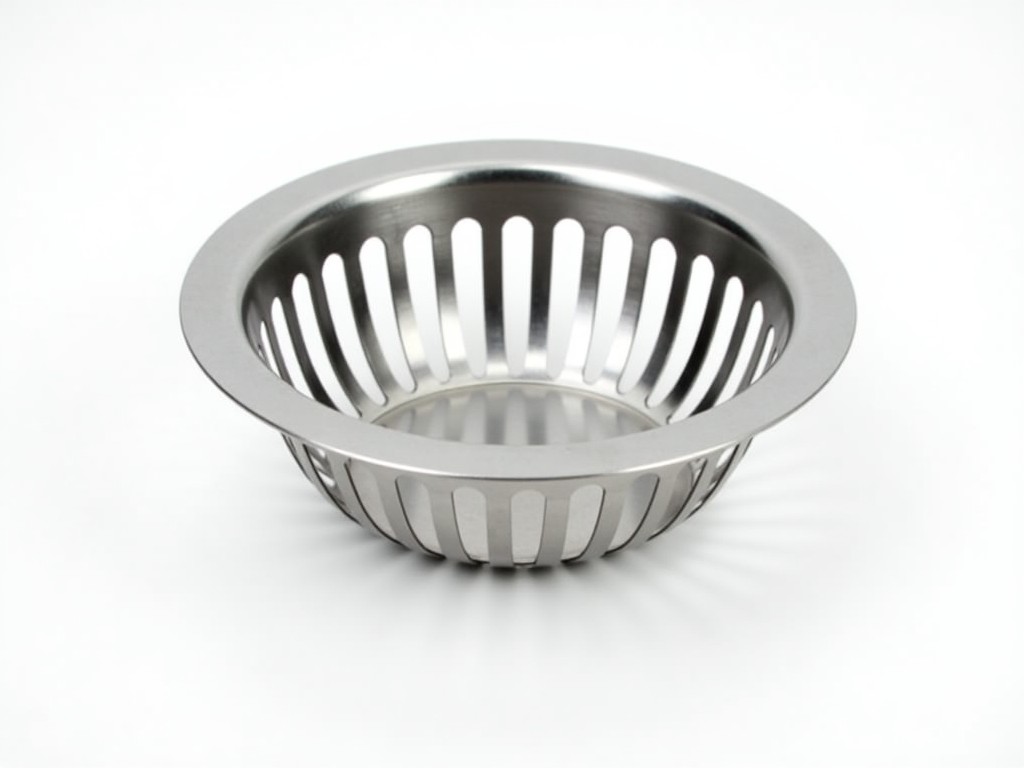
A bar sink stainless steel basket strainer is a precision-engineered drainage component designed to prevent solid debris from entering plumbing systems while maintaining optimal flow rates in
Bar Sink Stainless Steel Basket Strainer
A bar sink stainless steel basket strainer is a precision-engineered drainage component designed to prevent solid debris from entering plumbing systems while maintaining optimal flow rates in commercial foodservice environments. Unlike residential counterparts, these strainers are built to withstand continuous high-volume use, frequent cleaning cycles, and exposure to harsh detergents and sanitizers common in bars, restaurants, and hospitality facilities.
The basket strainer functions as a mechanical filter, capturing food particles, ice fragments, garnish remnants, and other particulates before they reach drain lines. This prevents clogs, reduces maintenance frequency, and protects downstream equipment such as grease traps and sewage pumps. Proper strainer selection directly impacts operational efficiency and long-term plumbing system integrity in high-traffic beverage service areas.
Material composition is critical to performance and longevity. These strainers are manufactured from 304 or 316 grade stainless steel, selected based on exposure to chlorides, acidic beverages, and cleaning agents. 304 stainless steel offers sufficient corrosion resistance for most bar environments, while 316 grade provides enhanced resistance to pitting and crevice corrosion in areas with frequent salt or citrus exposure.
Key Design Specifications
The strainer basket features a perforated or slotted design engineered to balance debris capture efficiency with hydraulic flow capacity. Perforation sizes typically range from 1.5mm to 3mm diameter, determined by the need to capture small particulates without restricting flow during peak usage. Slot orientations are often radial or circumferential to minimize trapping points and facilitate self-cleaning during water flow.
Basket depth varies between 25mm and 50mm depending on application requirements. Deeper baskets accommodate higher debris volumes between cleanings but may increase installation depth constraints. Shallow designs suit tight under-sink clearances where vertical space is limited. The basket rim includes a rolled or flared edge to prevent sharp edges and ensure safe handling during removal and cleaning.
The strainer body incorporates a threaded or flanged mounting interface compatible with standard 1.5-inch or 2-inch drain outlets. Threaded connections use NPT or BSP standards, while flanged versions accommodate sanitary clamp or bolted flange systems. A built-in stopper mechanism, either lift-and-turn or push-pull style, allows temporary water retention for tasks like glass rinsing or soaking utensils.
Material and Construction Details
Stainless steel grade selection follows ASTM A240 specifications. 304 stainless steel contains 18% chromium and 8% nickel, providing excellent resistance to oxidation and general corrosion in typical bar environments involving water, soap, and mild acids. 316 grade adds 2-3% molybdenum, significantly improving resistance to chloride-induced pitting from salt solutions, lime juice, and certain cleaning agents.
All surfaces undergo electropolishing or passivation treatments to enhance corrosion resistance and facilitate cleaning. Electropolishing removes microscopic imperfections and embedded contaminants, creating a smooth, non-porous surface that resists bacterial adhesion and simplifies sanitation. Passivation forms a protective chromium oxide layer through chemical treatment, further inhibiting corrosion initiation.
Welded joints, where present, are fully penetrated and finished smooth to eliminate crevices that could harbor contaminants. Seamless drawn construction is preferred for baskets and bodies to minimize potential failure points. The strainer assembly is designed for tool-free disassembly, enabling rapid cleaning and maintenance without specialized equipment.
Performance Characteristics
Flow rate capacity is a critical design parameter, measured in gallons per minute (GPM) under standard test conditions. A typical 1.5-inch basket strainer maintains a flow rate of 20-25 GPM with a clean basket, decreasing to 12-18 GPM when 50% blocked by debris. These values ensure adequate drainage during peak bar service while providing early warning of needed maintenance through observable flow reduction.
Debris retention capacity varies with basket volume and perforation density. A standard 40mm deep basket with 2mm perforations holds approximately 30-45ml of solid particulates before flow restriction becomes significant. This capacity supports 15-30 minutes of continuous operation in a high-volume bar before requiring emptying, depending on beverage type and garnish usage.
Temperature resistance exceeds typical bar service requirements. Stainless steel construction withstands continuous exposure to water temperatures up to 95°C (203°F) and intermittent exposure to boiling water during cleaning cycles. The material maintains mechanical integrity and corrosion resistance across the full operational range, from chilled beverage service to hot sanitization procedures.
Installation and Compatibility
Installation requires verification of drain outlet dimensions and thread type prior to selection. Most bar sinks utilize 1.5-inch NPT threaded outlets, though 2-inch outlets are common in larger prep sinks or ice bin drains. The strainer must match both diameter and thread standard to ensure leak-free sealing. Flanged versions require matching bolt patterns or clamp sizes, typically 1.5-inch or 2-inch sanitary tri-clamp standards.
Clearance beneath the sink must accommodate the strainer body height, basket depth, and required movement for removal and cleaning. Minimum vertical clearance is typically 75mm for standard designs, though low-profile variants reduce this to 50mm for tight installations. Horizontal clearance must allow for basket rotation during removal without obstruction from pipes or mounting hardware.
Compatibility with existing stopper mechanisms should be confirmed when replacing only the basket strainer. Some designs integrate the stopper function into the strainer body, while others use separate stopper assemblies. Thread pitch, stopper travel distance, and actuation method must align with the sink’s existing hardware to ensure proper operation.
Maintenance and Service Life
Maintenance involves regular basket removal, debris emptying, and rinsing with water. For heavy use, daily cleaning is recommended; moderate use may require cleaning every 2-3 days. Avoid abrasive cleaners or steel wool, which can scratch the passive layer and reduce corrosion resistance. Instead, use pH-neutral detergents and soft brushes or cloths for cleaning.
Periodic inspection should check for signs of pitting, cracking, or deformation, particularly around welds and threaded areas. The basket should sit flush in the body without rocking or misalignment. Thread engagement must be sufficient to prevent loosening under vibration—typically 3-5 full turns for NPT threads. Replace the basket if perforations become deformed or enlarged beyond specification.
Under normal bar service conditions, a properly maintained 304 stainless steel basket strainer has a service life of 5-7 years. 316 grade variants in aggressive environments may exceed 10 years. Factors reducing lifespan include prolonged exposure to high-chloride cleaning agents, mechanical impact from dropped utensils, and galvanic corrosion when coupled with dissimilar metals in the drain assembly.
Typical Applications in Foodservice
In bar environments, these strainers are installed in hand sinks, glass rinsing sinks, and underbar prep sinks where bartenders frequently wash glassware, rinse utensils, and dispose of ice and fruit remnants. The strainer prevents citrus peels, mint stems, and cocktail garnishes from accumulating in drain lines, which could otherwise cause slow drainage or complete blockages during busy service periods.
Beyond bars, similar strainers are used in restaurant prep sinks, seafood stations, and beverage dispensing areas where ice melt and food particulates pose drainage risks. In breweries and taprooms, they protect floor drains and waste lines from grain solids, hop debris, and yeast slurry during equipment cleaning. The consistent requirement across applications is reliable solids capture without impeding necessary liquid flow for cleaning and sanitation tasks.
Mobile beverage carts, catering stations, and temporary event bars also benefit from these strainers due to their durability and ease of maintenance. Their resistance to corrosion and simple cleaning requirements make them suitable for environments where professional maintenance support may be limited. The standardized dimensions allow for easy replacement across different sink models and manufacturers.
| Parameter | Typical Value | Notes |
|---|---|---|
| Stainless Steel Grade | 304 or 316 | 316 recommended for high chloride exposure |
| Basket Perforation Size | 1.5mm - 3mm diameter | Balances debris capture and flow rate |
| Flow Rate (Clean Basket) | 20-25 GPM (1.5") | Decreases with debris accumulation |
| Basket Depth | 25mm - 50mm | Affects debris retention capacity |
| Operating Temperature | Up to 95°C continuous | Withstands sanitization cycles |
| Service Life | 5-7 years (304) | 10+ years possible with 316 and proper care |
Quality Considerations
Dimensional accuracy is critical for proper fit and function. Basket diameter must match the strainer body within ±0.2mm to prevent bypass flow around the edges. Perforation uniformity ensures consistent debris capture; variation beyond ±0.1mm in hole size can create weak points or flow restrictions. Thread tolerances follow ANSI/ASME B1.20.1 for NPT to ensure leak-free sealing without over-tightening.
Surface finish is specified by roughness average (Ra). Electropolished surfaces typically achieve Ra 0.4-0.6μm, which minimizes particle adhesion and facilitates cleaning. Rougher finishes (>0.8μm) may harbor bacteria and increase cleaning effort. Visual inspection should confirm absence of scratches, pits, or discoloration that could indicate compromised passivation.
Material verification through mill test reports (MTRs) confirms chemical composition meets ASTM A240 requirements for 304 or 316 stainless steel. Magnetic permeability testing helps distinguish between austenitic (non-magnetic) and ferritic grades—proper 304/316 should show minimal magnetic response. Any significant magnetism suggests contamination or incorrect material substitution.
Customization Options
Perforation patterns can be adjusted based on specific debris characteristics. Finer perforations (1.0-1.5mm) are available for applications requiring capture of smaller particulates like tea leaves or fine herbs, though this reduces flow capacity. Larger perforations (3.5-5.0mm) suit high-flow applications where only large debris needs interception, such as ice bin drains with minimal organic matter.
Basket depth and diameter can be modified to suit unique sink geometries or debris volume requirements. Deeper baskets increase capacity between cleanings but require greater under-sink clearance. Offset or angled baskets are available for sinks with non-standard drain orientations or obstructions. Custom flange patterns or thread sizes accommodate non-standard drain connections.
Stopper mechanisms can be tailored to operational preferences. Options include lift-and-turn, push-pull, or twist-lock styles, each with different actuation forces and travel distances. Some designs incorporate overflow prevention features or integrated handles for easier basket removal. Material choices for stopper components (e.g., silicone seals, stainless steel rods) can be specified based on chemical compatibility requirements.
Selecting the appropriate bar sink stainless steel basket strainer requires matching technical specifications to the specific operational demands of the installation environment. Considerations include expected debris type and volume, cleaning frequency, exposure to corrosive substances, and physical constraints beneath the sink. Proper specification ensures reliable performance, minimizes maintenance interventions, and supports long-term plumbing system health in commercial foodservice applications.
For technical assistance with product selection, dimensional verification, or customization requests, contact our engineering team to discuss your specific requirements. We provide detailed drawings, material certifications, and application guidance to ensure the strainer meets your exact operational needs.
Contact Us for Technical Support
More Products

Send Inquiry
If you are interested in our products, leave your information here and we will be in touch shortly.