Buy Perforated Aluminum Sheet 4X8
A 4x8 perforated aluminum sheet refers to a flat panel measuring 4 feet in width and 8 feet in length, fabricated from aluminum alloy with a pattern of holes punched or laser-cut across its surface.
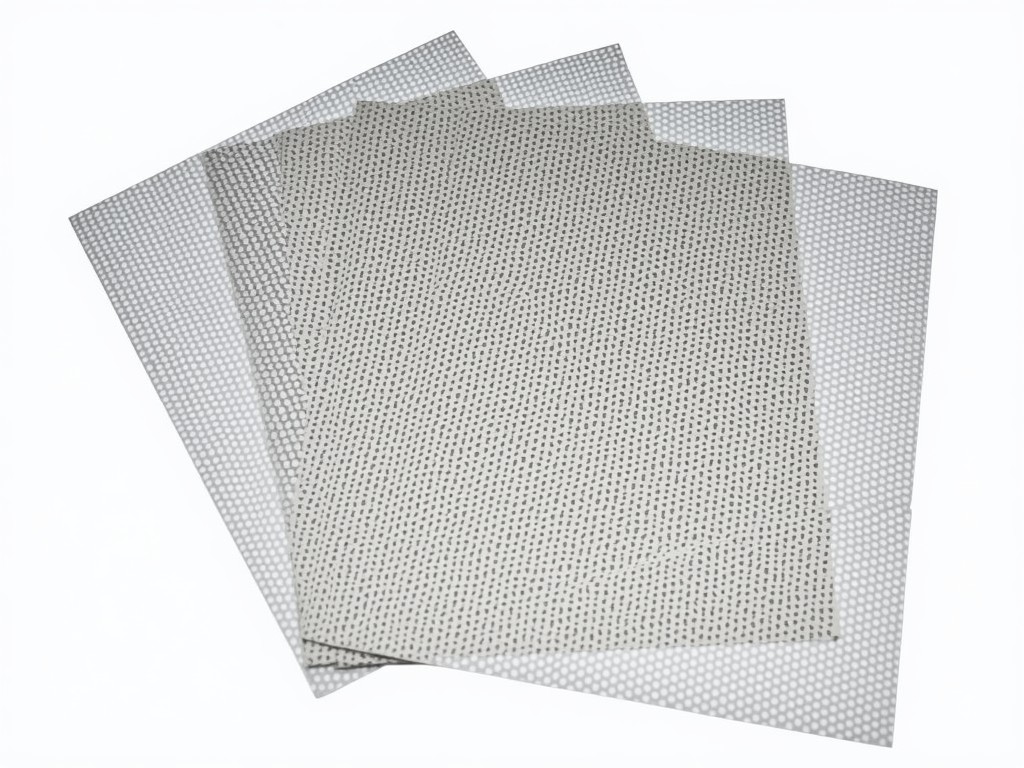
Perforated Aluminum Sheet 4x8
A 4x8 perforated aluminum sheet refers to a flat panel measuring 4 feet in width and 8 feet in length, fabricated from aluminum alloy with a pattern of holes punched or laser-cut across its surface. The perforation pattern—defined by hole size, shape, spacing, and arrangement—is engineered to meet specific functional requirements such as airflow control, light diffusion, acoustic management, or filtration. These sheets are commonly used in architectural, industrial, and mechanical applications where a balance of strength, weight reduction, and functional openness is required.
Aluminum is selected for its corrosion resistance, favorable strength-to-weight ratio, and ease of fabrication. Common alloys include 3003-H14 for general forming and 5052-H32 for higher strength and marine environments. The 4x8 dimension aligns with standard material widths and fabrication equipment, minimizing waste during downstream processing such as bending, framing, or mounting.
Key Technical Characteristics
The performance of a perforated aluminum sheet depends on several interrelated variables: base material thickness, hole diameter, pitch (center-to-center distance between holes), and open area percentage. Thickness typically ranges from 0.025 inch (0.64 mm) to 0.125 inch (3.2 mm), with thinner gauges used for decorative or low-load applications and thicker gauges for structural or protective barriers. Hole shapes include round, square, slotted, hexagonal, or custom geometries, each affecting flow dynamics and stress distribution.
Open area—the ratio of hole surface to total sheet surface—directly influences airflow, visibility, and light transmission. For example, a 4x8 sheet with 1/8-inch round holes on a 1/4-inch pitch yields approximately 25% open area, suitable for HVAC grilles or machine guards. Higher open areas (40–60%) are used in speaker covers or sunscreens, while lower percentages (10–15%) provide shielding with minimal visual disruption. Tolerances on hole placement and diameter are typically held to ±0.005 inch for precision applications.
Manufacturing Considerations
Perforation is achieved through mechanical punching, laser cutting, or turret press methods, each suited to different volumes and pattern complexities. Mechanical punching offers high-speed production for repetitive patterns but may cause edge burring or material deformation in thicker gauges. Laser cutting provides greater flexibility for intricate or variable patterns and produces cleaner edges, though at higher cost and slower speed. Post-processing steps such as deburring, annealing, or surface treatment (e.g., anodizing, powder coating) may be required depending on the end use.
The 4x8 format presents handling challenges due to its size and flexibility, especially in thinner gauges. Sheets are typically interleaved with protective film or paper and stacked on pallets with edge support to prevent bending or surface damage during transport. For applications requiring tight flatness, stress-relieving or leveling processes may be specified after perforation to counteract residual stresses from the hole-forming operation.
Common Applications
In architectural systems, 4x8 perforated aluminum sheets serve as facade panels, sunshades, or interior ceiling elements where controlled light transmission and aesthetic texture are desired. The corrosion resistance of aluminum allows for exterior use in humid or coastal environments without frequent maintenance. When backed with insulation or absorbent materials, these sheets contribute to acoustic damping in auditoriums, transit stations, or industrial enclosures.
Industrial uses include machine guards, conveyor covers, ventilation panels, and filtration media. The non-sparking nature of aluminum makes it suitable for environments with flammable dust or vapors. In food processing or pharmaceutical facilities, perforated sheets are used in drying trays, sorting screens, or airflow plenums where cleanability and resistance to cleaning agents are essential. The 4x8 size often matches standard frame dimensions, reducing the need for cutting or welding during installation.
Material and Finish Options
| Property | Typical Options |
|---|---|
| Alloy | 3003-H14, 5052-H32, 6061-T6 (depending on formability and strength needs) |
| Thickness | 0.025" to 0.125" (0.64 mm to 3.2 mm) |
| Hole Shape | Round, square, slotted, hexagonal, custom |
| Open Area | 5% to 70% (dependent on hole size and pitch) |
| Finish | Mill finish, anodized (clear or colored), powder coated, brushed |
Finish selection affects both appearance and durability. Mill finish is economical and suitable for indoor or painted applications. Anodizing enhances surface hardness and corrosion resistance while allowing for color integration. Powder coating provides a uniform, thick protective layer ideal for exterior exposure or chemical resistance. For food-grade or cleanroom applications, finishes must comply with relevant standards such as FDA or ISO 14644, which may require specific sealants or passivation treatments.
Quality Assurance and Inspection
Dimensional verification includes checking overall sheet size, squareness, and flatness using calibrated gauges and optical systems. Hole characteristics are inspected via automated vision systems or manual gauging to confirm diameter, spacing, and pattern consistency across the sheet. Edge condition is assessed for burrs, tears, or deformation, particularly after punching operations. Material certification (e.g., mill test reports) confirms alloy composition and temper, ensuring traceability to the source.
For critical applications, additional testing may be specified: tensile strength to verify structural integrity, salt spray testing for corrosion resistance, or adhesion testing for coated finishes. Sampling plans follow standards such as ANSI/ASQ Z1.4 or ISO 2859-1, with inspection levels adjusted based on risk and order volume. Non-conforming sheets are segregated and evaluated for rework, scrap, or concession based on the nature and location of the defect.
Packaging and Logistics
To prevent surface abrasion and edge damage, 4x8 perforated aluminum sheets are typically wrapped in protective polyethylene film or interleaved with kraft paper. Sheets are stacked horizontally on wooden or plastic pallets with corner guards and secured with steel or polyester strapping. For export or long-distance transport, moisture-barrier packaging and shock-absorbing edge protectors may be added. Pallet dimensions are optimized for standard forklift handling and container loading, usually not exceeding 48"x40" footprint.
Weight varies significantly with thickness and open area. A 0.040-inch thick 3003-H14 sheet with 30% open area weighs approximately 0.6 lbs per square foot, resulting in a total weight of around 19 lbs for a full 4x8 panel. Thicker or solid sections increase proportionally. Carriers are notified of dimensions and weight to ensure appropriate handling equipment is used. Tracking and delivery confirmation are standard for commercial shipments.
For technical consultation, custom perforation patterns, or to request a quotation for 4x8 perforated aluminum sheets, please provide your application requirements including alloy preference, thickness, hole specifications, finish, and quantity. Our engineering team will review your needs and respond with feasible options, lead times, and pricing.
Request Quotation
More Products

Send Inquiry
If you are interested in our products, leave your information here and we will be in touch shortly.