Factory Direct Security Door And Window Screens
Security door and window screens provide physical barriers against forced entry while maintaining ventilation and visibility. Unlike standard insect screens, these products are engineered to resist
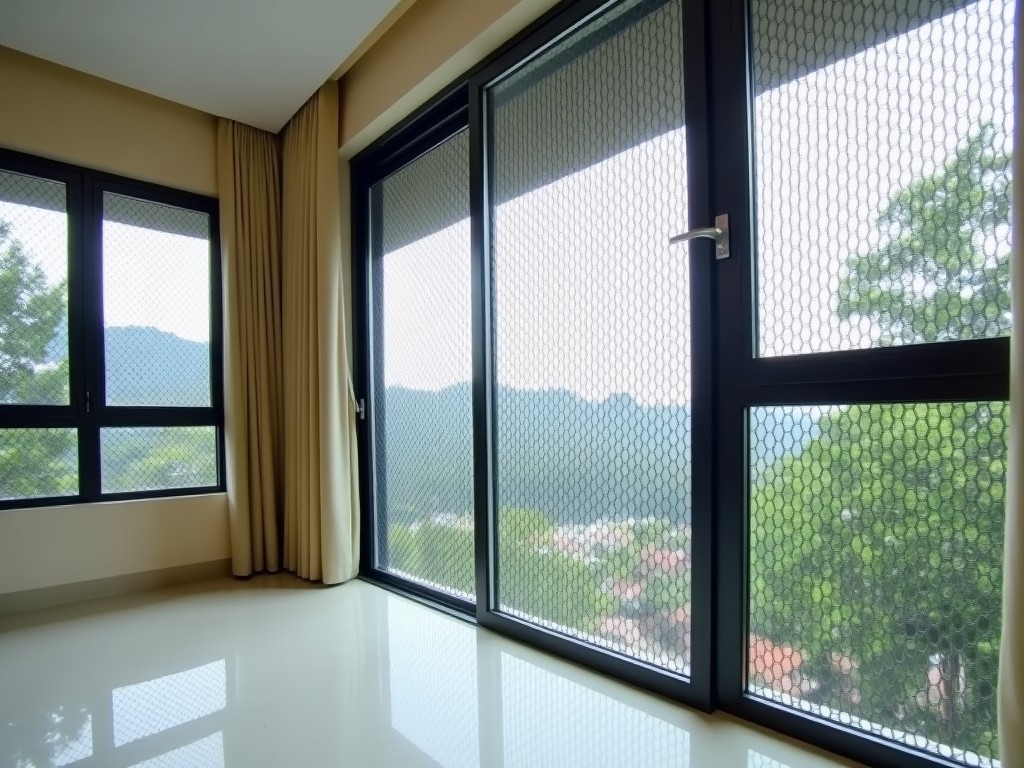
Factory Direct Security Door and Window Screens
Security door and window screens provide physical barriers against forced entry while maintaining ventilation and visibility. Unlike standard insect screens, these products are engineered to resist cutting, prying, and impact attacks using reinforced frames and high-tensile mesh materials. Industrial buyers specify them for facilities requiring layered security without compromising airflow or natural light.
Factory direct sourcing eliminates intermediary markups and allows direct communication with manufacturers regarding material specifications, tolerances, and testing protocols. This approach supports faster iteration on custom designs and clearer accountability for quality control. Procurement teams benefit from transparent lead times and the ability to audit production processes when needed.
Core Engineering Characteristics
Frame rigidity is critical to screen performance under load. Extruded aluminum alloys such as 6063-T5 are commonly used, offering tensile strength between 140–180 MPa and yield strength of approximately 110 MPa. Frame cross-sections typically measure 38mm x 25mm with wall thicknesses of 1.2–2.0mm, providing resistance to bending moments exceeding 150 Nm in standard test configurations.
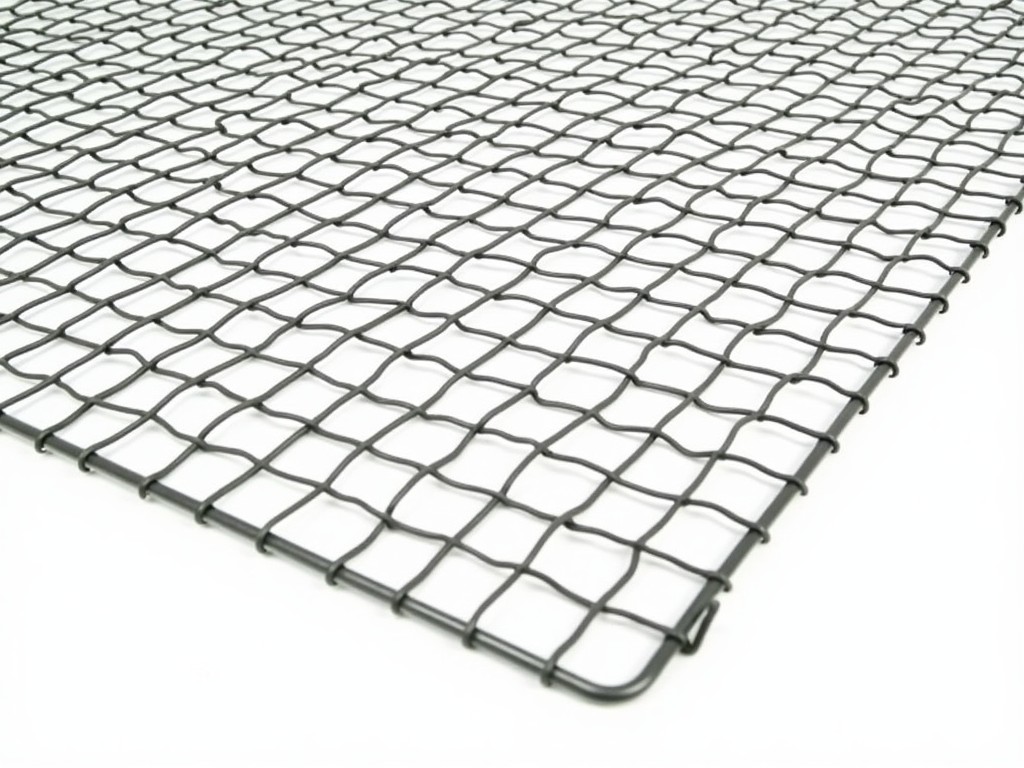
Mesh construction determines resistance to shear and penetration. Stainless steel wire mesh (grade 304 or 316) with diameters of 0.56mm–0.81mm and aperture sizes of 1.2mm x 1.2mm achieves tensile strengths over 550 MPa. Alternative options include perforated aluminum sheets (1.0mm–1.5mm thick, 3mm–6mm hole diameter) or polycarbonate laminates for applications requiring optical clarity.
Attachment methods influence long-term reliability. Mechanical fasteners (self-tapping screws, rivets) or specialized spline systems secure the mesh to the frame, distributing stress evenly. Welded corners or gusseted reinforcements prevent frame distortion under cyclic loading. All joints are designed to withstand 500+ hours of salt spray exposure per ASTM B117 without significant corrosion.
Material Selection Logic
Aluminum frames are selected for their strength-to-weight ratio and natural corrosion resistance. The 6063 alloy responds well to extrusion, allowing complex profiles that integrate mounting flanges, drainage channels, and thermal breaks. Surface treatments such as anodizing (15–25μm thickness) or powder coating (60–80μm) enhance UV stability and abrasion resistance in outdoor environments.
Stainless steel mesh provides consistent performance across temperature extremes (-40°C to +80°C) and resists degradation from pollutants, salt, and UV radiation. Wire diameter and weave pattern (plain dutch or twill) are chosen based on required opening protection—smaller apertures prevent intrusion by tools while maintaining adequate airflow (typically 60–75% open area).
For high-impact zones, laminated polycarbonate layers (3mm–6mm thick) bonded to aluminum frames offer impact resistance exceeding 35 joules (ASTM D256). This configuration maintains visibility while deterring smash-and-grab attempts, though it reduces open area to 40–50%. Material compatibility is verified to prevent galvanic corrosion at dissimilar metal interfaces.
Customization Parameters
Dimensional flexibility accommodates non-standard openings common in industrial retrofits. Width adjustments are typically possible in 1mm increments from 300mm to 2400mm, height from 400mm to 3000mm. Frame depth can be modified to suit varying wall thicknesses or mounting conditions, with standard options ranging from 25mm to 50mm.
Mesh type, wire gauge, and aperture size are specified based on threat assessment and environmental exposure. Coastal facilities may require 316-grade stainless steel with increased wire diameter (0.81mm) to counter chloride-induced pitting. Interior partitions might use lighter 0.56mm wire for cost efficiency where forced entry risk is lower.
Finish options include clear anodized, bronze anodized, black powder coat, or custom RAL colors to match building aesthetics. Additional features such as integrated locking mechanisms, tamper-resistant fasteners, or motorized retractable systems can be engineered into the design upon request. All modifications are reviewed for structural integrity and compliance with relevant safety standards.
Quality Control Philosophy
Dimensional verification occurs at multiple stages: raw material inspection, post-extrusion, pre-assembly, and final product. Critical dimensions (frame squareness, mesh tension, corner alignment) are measured using calibrated calipers and micrometers with tolerances typically held to ±0.5mm. Visual inspections check for surface defects, scratches, or coating inconsistencies under 500 lux lighting.
Mechanical testing validates performance claims. Frames undergo three-point bend tests to confirm stiffness, while mesh samples are subjected to tensile and puncture resistance tests using standardized probes. Accelerated weathering (UV exposure, humidity cycling) assesses long-term stability of finishes and materials. Test results are documented and available for review upon request.
Process control relies on documented work instructions and operator training records. Weld strength, fastener torque, and spline seating depth are monitored via statistical process control (SPC) charts. Non-conforming items are segregated, analyzed for root cause, and either reworked or scrapped based on severity. This systematic approach reduces variability and ensures batch-to-batch consistency.
Typical Applications
Manufacturing facilities install security screens on ground-level windows and ventilation openings to prevent unauthorized access while maintaining essential air exchange for processes or worker comfort. In food processing plants, 316-stainless steel mesh resists corrosion from cleaning agents and frequent washdowns, meeting hygiene zone requirements without compromising security.
Warehouses and distribution centers use these screens on loading dock doors and trailer bays to deter theft during unattended hours. The open design allows visibility for security personnel and facilitates natural lighting, reducing reliance on artificial sources. Retractable versions enable full access during operations while providing protection when facilities are closed.
Data centers and telecom hubs specify laminated polycarbonate screens on ventilation grilles to prevent physical tampering with critical infrastructure. The material’s transparency supports visual inspection of internal components, while its impact resistance deters attempts to dislodge or damage equipment. These installations often integrate with existing access control systems.
| Parameter | Typical Range | Notes |
|---|---|---|
| Frame Material | 6063-T5 Aluminum | Extruded profile; wall thickness 1.2–2.0mm |
| Mesh Material | Stainless Steel 304/316 | Wire dia. 0.56–0.81mm; aperture 1.2x1.2mm |
| Open Area | 60–75% (standard mesh) | Varies with wire diameter and weave |
| Surface Finish | Anodized or Powder Coated | Custom colors available |
| Max Width | 2400mm | Single unit; mullions for larger spans |
| Max Height | 3000mm | Subject to wind load calculations |
Lead times for standard configurations typically range from 3–4 weeks after drawing approval, depending on material availability and current production load. Custom profiles or specialized finishes may extend this to 5–6 weeks. Expedited options are available for critical projects, subject to capacity constraints and potential overtime charges.
Packaging methods are designed to prevent damage during transit. Frames are separated by protective spacers, mesh surfaces are covered with removable film, and corners are reinforced with edge protectors. Units are packed in corrugated cardboard boxes or wooden crates for LTL and FTL shipments, with shock-absorbing materials used for international export.
Sample evaluation is supported to verify fit, finish, and performance before full production. Customers can request physical samples (subject to availability and potential charges) or detailed digital drawings with material certifications. Feedback from sample testing informs final design adjustments and ensures alignment with operational requirements.

More Products

Send Inquiry
If you are interested in our products, leave your information here and we will be in touch shortly.