Factory Direct Rodent Proof Wire Mesh Screen
Rodent proof wire mesh screen is a specialized barrier material designed to prevent the ingress of rodents such as rats and mice into buildings, equipment enclosures, and utility penetrations. It is
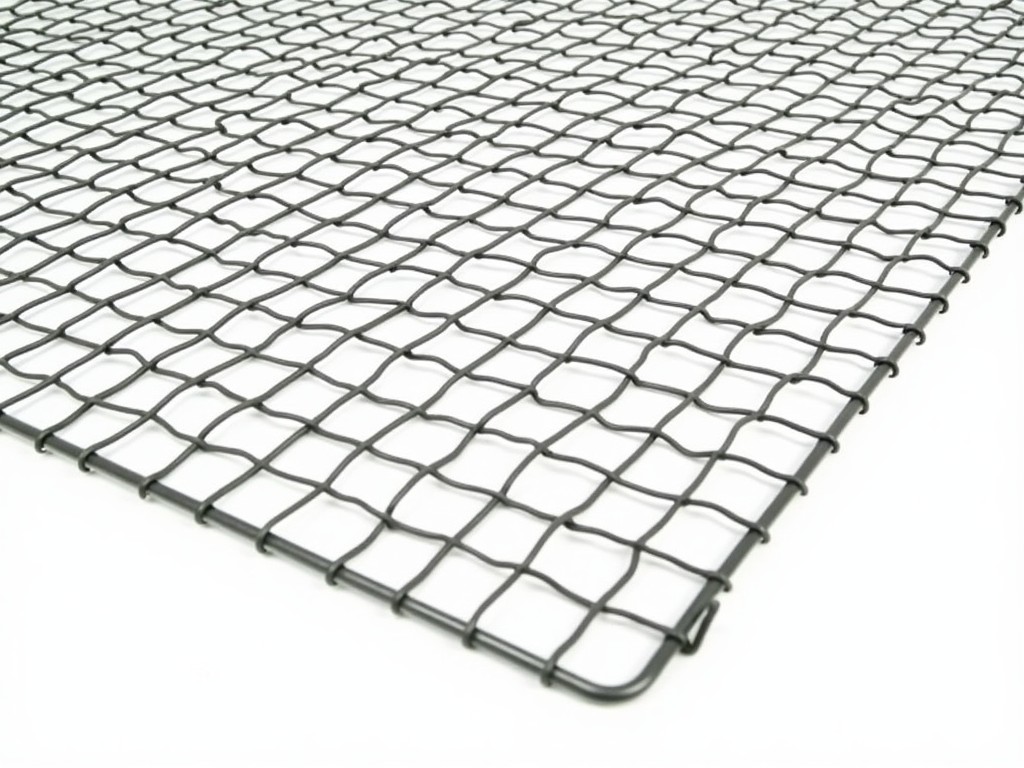
Factory Direct Rodent Proof Wire Mesh Screen
Rodent proof wire mesh screen is a specialized barrier material designed to prevent the ingress of rodents such as rats and mice into buildings, equipment enclosures, and utility penetrations. It is manufactured from corrosion-resistant metal alloys formed into a tight, uniform aperture pattern that physically blocks rodent passage while maintaining airflow, drainage, or visibility as required by the application.
Unlike general-purpose screening, rodent proof mesh must meet specific dimensional and mechanical criteria to ensure long-term effectiveness. The aperture size, wire diameter, and material composition are engineered to withstand rodent gnawing, corrosion, and environmental stress without deformation or failure over time.
Key Technical Specifications
| Parameter | Typical Value | Notes |
|---|---|---|
| Aperture Size | 6 mm x 6 mm (maximum) | Based on rodent skull dimensions; prevents nose-first entry |
| Wire Diameter | 0.8 mm – 1.2 mm | Balances flexibility with gnaw resistance; thicker wires used in high-pressure zones |
| Material | Stainless Steel 304, Galvanized Steel, Aluminum | Selected based on environmental exposure and load requirements |
| Weave Pattern | Welded or woven square mesh | Welded preferred for structural integrity; woven for flexibility in irregular openings |
| Tensile Strength | ≥ 350 MPa (Stainless Steel 304) | Ensures resistance to deformation under impact or rodent pressure |
Material Selection and Performance Characteristics
Stainless Steel 304 is the most common choice for rodent proof mesh in humid, chemical, or washdown environments due to its passive chromium oxide layer, which resists rust and staining without coating degradation. It maintains mechanical properties across a wide temperature range (-200°C to 800°C) and is non-magnetic in the annealed condition, making it suitable for sensitive equipment enclosures.
Galvanized steel offers a cost-effective alternative for dry, interior applications where zinc coating provides sacrificial protection against corrosion. The coating weight (typically Z275 or equivalent) determines service life; however, cut edges or damaged zones may require sealing to prevent localized rust propagation. Aluminum mesh is lightweight and naturally corrosion-resistant but has lower tensile strength (~90 MPa), limiting its use to low-stress barriers such as vent covers or false ceilings where rodent pressure is minimal.
The aperture size of 6 mm x 6 mm is not arbitrary—it is derived from biomechanical studies of rodent skull flexibility. Rats can compress their bodies to pass through openings as small as 12 mm, but their skull width limits passage to approximately 6 mm when attempting nose-first entry. A mesh with apertures at or below this threshold prevents ingress even under persistent gnawing attempts, as the wire spacing denies purchase for incisors to gain leverage.
Common Applications in Industrial and Commercial Settings
In food processing facilities, rodent proof mesh is installed at wall penetrations for pipes, conduits, and ductwork to comply with HACCP and FSMA regulations. These zones are high-risk for contamination, and traditional sealants (foam, caulk) degrade quickly or are easily breached. Mesh provides a permanent, inspectable barrier that does not harbor pests or interfere with cleaning protocols.
Utility rooms housing electrical panels, HVAC units, or telecommunications equipment use mesh to protect cable trays and ventilation openings. Rodents chewing through insulation can cause short circuits, signal interference, or fire hazards. The mesh allows heat dissipation and airflow while blocking access, reducing downtime and maintenance costs associated with pest-related damage.
Agricultural storage structures such as grain silos, feed bunkers, and equipment sheds benefit from mesh installed at eaves, vents, and door gaps. Unlike wood or plastic barriers, metal mesh resists chewing, UV degradation, and moisture absorption, providing multi-year protection in outdoor environments where rodent populations fluctuate seasonally.
Customization and Fabrication Options
Mesh panels are available in roll form or as fabricated cut-to-size pieces with options for edge treatment. Raw rolls allow on-site cutting for irregular openings but require deburring to prevent injury during handling. Pre-fabricated panels with hemmed, framed, or welded edges improve installation speed and safety, particularly in elevated or confined spaces.
Attachment methods vary by substrate: staples or u-nails for wood framing, masonry anchors with washers for concrete or brick, and stainless steel clamps for metal ductwork or pipe flanges. Overlap joints of at least 50 mm are recommended at seams to prevent gap formation, with fasteners spaced no more than 100 mm apart to resist displacement under wind load or rodent pressure.
For applications requiring periodic access (e.g., inspection hatches), mesh can be integrated into removable frames with gasketed seals or quick-release latches. These assemblies maintain barrier integrity when closed while allowing tool-free entry for maintenance, reducing the temptation to bypass protection during routine service.
Quality Assurance and Inspection Protocols
Incoming wire stock is verified for diameter tolerance (±0.05 mm) and material grade via mill test certificates. During production, aperture consistency is monitored using optical gauging systems to ensure no opening exceeds 6.5 mm, accounting for wire draw variation and weld distortion. Visual inspection under 10x magnification confirms weld integrity and absence of sharp edges that could compromise handling safety.
Batch testing includes tensile strength verification on welded joints and peel resistance testing to simulate rodent gnawing force. A minimum of 5 N/mm² peel resistance is required to prevent wire separation under persistent biting. Final inspection confirms flatness, squareness, and absence of protrusions that could snag installation materials or create entrapment hazards.
Documentation includes material traceability, aperture compliance reports, and mechanical test results upon request. For regulated industries (food, pharmaceutical), mesh can be supplied with FDA-compliant material statements or ISO 14644-1 cleanroom compatibility data, though the base product is designed for general industrial exclusion rather than sterile environments.
Installation Best Practices and Long-Term Performance
Proper installation is critical to performance—mesh must be held taut against the substrate with no sagging or loose sections that rodents could push aside. Corners and transitions require special attention; using pre-bent flashing or continuous channels eliminates gaps at junctions. Sealants (silicone, polyurethane) may be used behind the mesh to block air leaks but should never replace the mechanical barrier, as they degrade faster and are vulnerable to chewing.
In exterior applications, moisture management is essential. Mesh should be installed with a slight outward angle or over a drip edge to prevent water pooling, which accelerates corrosion even in stainless steel over time. Regular visual inspections (quarterly in high-risk zones) are recommended to check for corrosion, physical damage, or displacement caused by building settlement or maintenance activity.
With correct material selection and installation, stainless steel 304 rodent proof mesh maintains functionality for 15–25 years in outdoor environments and significantly longer indoors. Galvanized steel typically lasts 5–10 years before coating depletion requires assessment. The long service life reduces lifecycle cost compared to frequent replacement of temporary barriers or repeated pest remediation efforts.
More Products

Send Inquiry
If you are interested in our products, leave your information here and we will be in touch shortly.