Factory Direct Pink And White Deco Mesh
Decorative mesh used in event design, retail displays, and seasonal installations combines polypropylene monofilaments with a knitted or woven structure to create a lightweight, semi-rigid fabric.
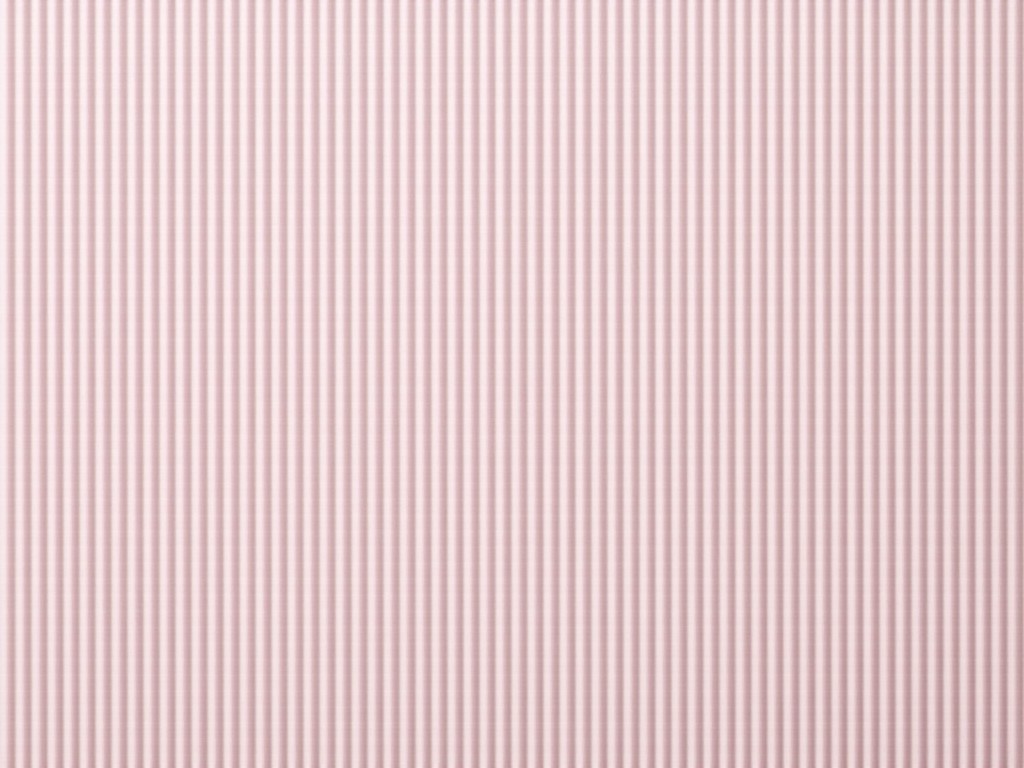
Factory Direct Pink and White Deco Mesh
Decorative mesh used in event design, retail displays, and seasonal installations combines polypropylene monofilaments with a knitted or woven structure to create a lightweight, semi-rigid fabric. The pink and white color variant offers high visual contrast while maintaining the material’s inherent resistance to UV degradation and moisture absorption. This product is manufactured in continuous rolls with consistent width and density, allowing for predictable handling during fabrication and installation.
Material Composition and Structural Properties
The deco mesh is constructed from 100% polypropylene filaments with a denier range of 150–300, depending on the intended application. The knitting process creates hexagonal or diamond-shaped apertures typically measuring 6–12 mm across, providing a balance between opacity and airflow. The pink and white coloration is achieved through solution dyeing, ensuring pigment penetration throughout the filament cross-section, which prevents surface fading under prolonged UV exposure.
Tensile strength averages 25–35 N/cm in the machine direction and 18–25 N/cm in the transverse direction, sufficient to support lightweight decorations without tearing under normal handling. The material exhibits minimal elongation (<5% at break) and retains dimensional stability across temperatures from -20°C to 60°C. Its specific gravity of approximately 0.91 ensures buoyancy in aqueous environments, making it suitable for floating displays or outdoor installations exposed to rain.
Manufacturing Consistency and Roll Specifications
Factory direct production ensures tight control over extrusion parameters, stitch density, and color uniformity across roll batches. Standard roll widths are 1.0 m, 1.25 m, and 1.5 m, with lengths ranging from 25 m to 100 m per roll depending on filament thickness and customer requirements. Each roll is wound onto a 76 mm diameter core with consistent tension to prevent telescoping or edge damage during transit and storage.
Weight per square meter varies between 40–80 gsm, directly correlated to denier and stitch density. Tolerances are maintained within ±5% for width, ±3% for weight, and ±2 mm for aperture size across production lots. Edge finishing options include heat-sealed borders to prevent fraying or ultrasonic welding for seamless joins in custom-fabricated panels.
Typical Applications in Commercial and Event Environments
The pink and white deco mesh is frequently selected for thematic installations requiring high visual impact with minimal structural load, such as holiday décor, wedding backdrops, and retail window displays. Its open structure allows for integration with lighting systems—LED strings or fiber optics can be threaded through apertures without obstructing light diffusion, creating illuminated effects without adding significant weight.
In retail environments, the material serves as a cost-effective alternative to fabric banners for seasonal promotions, offering resistance to wrinkling and easier storage due to its rollable form. Event planners utilize it for ceiling drapes, column wraps, and entrance arches where flame retardancy (when treated) and low smoke emission are required by venue regulations. The color combination is particularly effective in creating gradient or ombre effects when layered with complementary hues.
Customization Options and Processing Considerations
Beyond standard rolls, the deco mesh can be slit to narrower widths (as low as 100 mm) for use in ribbon-like applications or fabricated into custom shapes using die-cutting or thermal bonding techniques. Color matching to specific Pantone references is available upon request, though minimum order quantities may apply due to dye bath setup requirements. Flame-retardant treatments compliant with NFPA 701 or California Title 19 can be applied post-production, adding approximately 5–10 gsm to the final weight.
For outdoor installations requiring extended UV stability, inhibitors such as HALS (hindered amine light stabilizers) can be incorporated during extrusion, extending service life from 6 months to over 2 years under direct sunlight. Perforation patterns or custom aperture geometries are feasible for specialized filtration or acoustic applications, though these require tooling investments and are evaluated case-by-case.
Quality Control and Testing Protocols
Each production lot undergoes visual inspection under standardized lighting (D65, 1000 lux) to assess color consistency, defect frequency, and edge integrity. Mechanical testing follows ASTM D5034 for grab tensile strength and ASTM D5035 for strip tensile, with samples conditioned at 23°C/50% RH for 24 hours prior to testing. Aperture size uniformity is verified using digital imaging software with a minimum of 50 measurements per square meter.
Colorfastness is evaluated per AATCC TM16 for UV exposure (minimum 40 hours) and AATCC TM61 for laundering simulation (where applicable). Dimensional stability after heat aging (70°C for 168 hours) is measured to ensure minimal shrinkage (<2%). Test reports are available upon request, and all testing is conducted in-house or by accredited third-party laboratories using calibrated equipment traceable to national standards.
| Property | Typical Value | Test Method |
|---|---|---|
| Tensile Strength (MD) | 25–35 N/cm | ASTM D5034 |
| Tensile Strength (TD) | 18–25 N/cm | ASTM D5034 |
| Weight per Square Meter | 40–80 gsm | ASTM D3776 |
| Aperture Size | 6–12 mm | Digital Imaging |
| UV Stability (Unstabilized) | 6 months | ASTM G154 |
| UV Stability (Stabilized) | >2 years | ASTM G154 |
All technical data presented represents typical values derived from internal quality control records and standardized testing. Actual performance may vary based on specific formulation, environmental exposure, and end-use conditions. Custom properties or certifications can be discussed during the quotation process to align with project-specific requirements.
More Products
Send Inquiry
If you are interested in our products, leave your information here and we will be in touch shortly.