Mint Green Deco Mesh Top Supplier
Mint green deco mesh is a decorative netting material commonly used in floral arrangements, event design, and retail displays. It features a lightweight, open-weave structure made from synthetic
Mint Green Deco Mesh Top Supplier
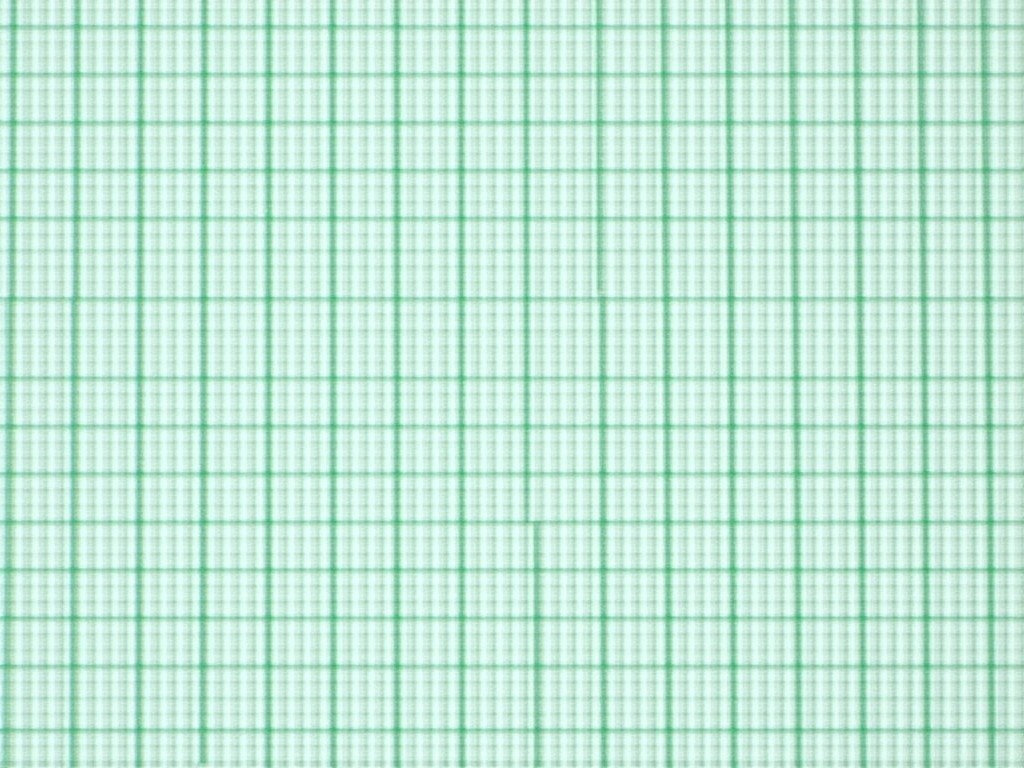
Mint green deco mesh is a decorative netting material commonly used in floral arrangements, event design, and retail displays. It features a lightweight, open-weave structure made from synthetic fibers, typically polyester or nylon, dyed to a specific mint green shade. The material is valued for its flexibility, drape, and ability to hold shape when manipulated, making it suitable for creating volume and texture in visual presentations. Suppliers of this product focus on consistent color matching, roll width uniformity, and tensile strength to ensure reliable performance across applications.
Material Composition and Specifications
The base fabric of mint green deco mesh is usually 100% polyester filament yarn, chosen for its dimensional stability, resistance to moisture absorption, and ability to retain color after prolonged light exposure. Denier typically ranges from 50D to 150D per filament, with a standard mesh opening size between 3mm and 6mm, depending on the intended use. The mint green color is achieved through solution dyeing or piece dyeing processes, with colorfastness ratings generally meeting Grade 4 on the grey scale for both light and washing resistance, as verified under ISO 105-B02 and ISO 105-C06 standards.
Roll widths are commonly available in 0.45m, 0.9m, and 1.35m, with custom slit widths possible upon request. Linear density (weight per meter) falls between 15g/m and 40g/m, influencing both drape characteristics and shipping efficiency. Tensile strength in the warp direction averages 8–12 N/tex, while weft direction strength is slightly lower due to the open construction, typically 5–8 N/tex. These values are critical for applications where the mesh must support lightweight embellishments or maintain tension over frames.
Manufacturing Considerations for Consistency
Producing deco mesh with uniform color and width requires tight control over extrusion, dyeing, and finishing stages. Variations in yarn lot or dye bath temperature can lead to visible streaking or shading differences, particularly problematic in large-scale installations where multiple rolls are joined. Reputable suppliers implement shade matching under D65 lighting conditions and use computerized width monitoring during winding to maintain tolerances within ±2mm. Heat setting is applied post-weaving to stabilize the mesh geometry and reduce shrinkage under ambient humidity fluctuations.
Quality checks include 100% visual inspection for defects such as missing yarns, thick/thin places, or oil spots, followed by random sampling for color measurement using a spectrophotometer. Rolls are typically wound on 38mm ID cores with outer diameters not exceeding 220mm to ensure compatibility with standard dispensing equipment. Anti-static treatment may be applied to reduce cling during handling, especially in low-humidity environments.
Applications in Design and Display
Mint green deco mesh is frequently used as a base layer in floral foam covers for weddings and corporate events, where its open structure allows stems to be inserted while concealing the underlying mechanics. The color provides a soft, fresh contrast to white or pastel blooms without competing for visual attention. In retail window displays, it serves as a lightweight backdrop or draping material that adds depth without adding significant weight to support structures.
Theatrical and trade show designers utilize the mesh to create soft barriers, ceiling canopies, or branded backgrounds when combined with lighting or printed graphics. Its semi-transparency allows for layered effects when stacked with other colors or materials. Because it does not fray significantly when cut, it can be shaped into custom forms such as spirals, rosettes, or layered puffs without requiring edge sealing.
Customization and Ordering Options
Suppliers typically offer deco mesh in standard put-ups of 25yd or 50yd rolls, though longer lengths can be produced for specialized projects. Custom dye lots are available for clients requiring exact color matches to brand palettes or seasonal themes, with minimum order quantities usually starting at 300yd per shade. Slitting to non-standard widths (e.g., 0.3m, 0.6m) is feasible without significant yield loss, allowing integrators to reduce waste in automated cutting systems.
Packaging options include individual polybag wrapping or bulk packing in corrugated cartons, with labeling that includes batch number, width, length, and care instructions. For export shipments, moisture-barrier inner liners and edge protectors are commonly used to prevent damage during transit. Lead times vary based on dye availability and machine scheduling but generally range from 7 to 14 business days for stock colors and 18 to 25 days for custom colors.
Quality Control and Testing Protocols
Consistent product performance relies on standardized testing throughout production. Color consistency is verified using Delta-E measurements, with acceptance criteria typically set below ΔE 2.0 for bulk comparisons and ΔE 1.5 for shade-to-shade matching within a roll. Dimensional stability is assessed by measuring width and length change after 24 hours at 40°C and 90% relative humidity, with acceptable limits under 1.5% shrinkage.
Abrasion resistance is evaluated using the Martindale method, where the mesh endures a minimum of 5,000 cycles without noticeable yarn breakage or surface thinning—sufficient for temporary installations but not for high-traffic permanent fixtures. Flame resistance is not inherently present in standard polyester deco mesh; however, topical treatments can be applied upon request to meet NFPA 701 or California Title 19 standards for decorative fabrics in public spaces.
| Property | Typical Value | Test Method |
|---|---|---|
| Width Tolerance | ±2mm | ASTM D3774 |
| Weight per Linear Meter | 15–40g/m | ASTM D3776 |
| Tensile Strength (Warp) | 8–12 N/tex | ASTM D5035 |
| Colorfastness to Light | Grade 4 (Grey Scale) | ISO 105-B02 |
| Colorfastness to Washing | Grade 4 (Grey Scale) | ISO 105-C06 |
| Shrinkage (40°C/90% RH) | <1.5% | AATCC 135 |
Environmental and Handling Notes
Polyester-based deco mesh is not biodegradable but can be recycled through specialized textile recovery streams where infrastructure exists. Suppliers may provide recycled content options (e.g., rPET yarn) upon request, though color availability and minimum quantities may be more limited than virgin material. The product is inert under normal conditions and does not emit volatile organic compounds (VOCs), making it suitable for indoor use without special ventilation requirements.
Handling recommendations include avoiding prolonged exposure to direct UV light to prevent gradual fading, though indoor event use typically involves limited duration. Rolls should be stored horizontally in a clean, dry environment to prevent crushing or deformation. When cutting, cold scissors or rotary blades are preferred to minimize fraying, though the open structure limits unraveling compared to woven fabrics.
More Products
Send Inquiry
If you are interested in our products, leave your information here and we will be in touch shortly.