Modular Kitchen Stainless Steel Basket Price
Modular kitchen stainless steel baskets are engineered components designed for integration into cabinetry systems, providing organized storage solutions for utensils, cookware, and pantry items.
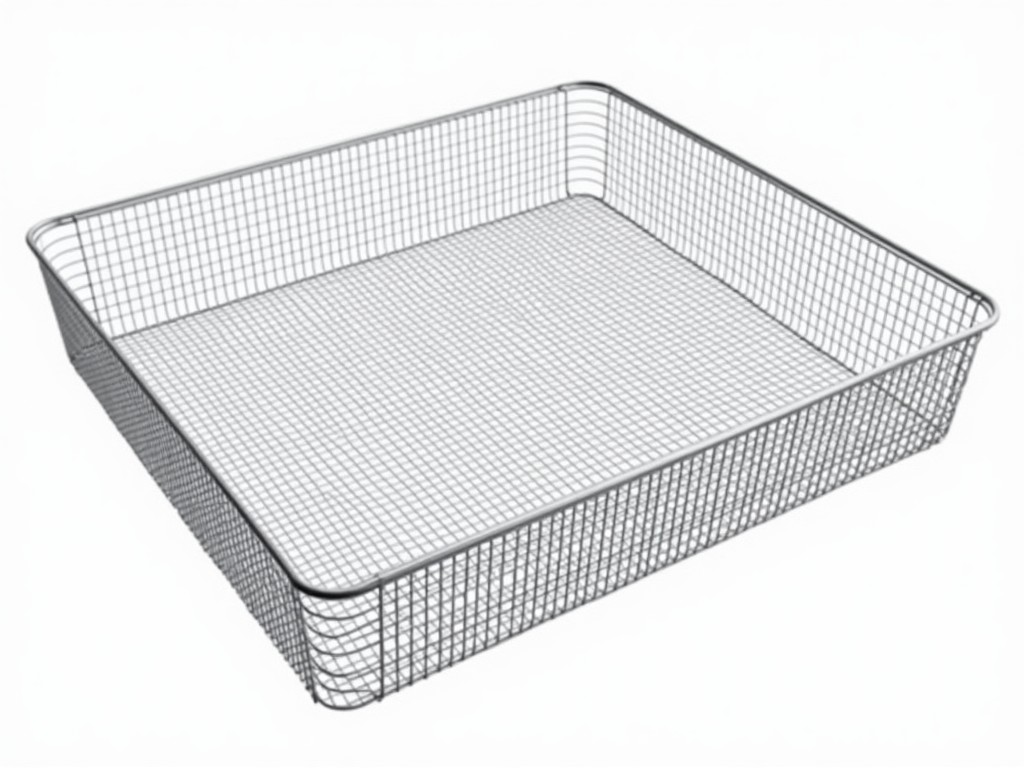
Modular Kitchen Stainless Steel Basket Price
Modular kitchen stainless steel baskets are engineered components designed for integration into cabinetry systems, providing organized storage solutions for utensils, cookware, and pantry items. Their pricing reflects material grade, dimensional complexity, load capacity requirements, and manufacturing processes such as stamping, welding, and surface finishing. Understanding these variables enables procurement teams to evaluate quotations accurately and select options aligned with functional and budgetary constraints.
Material Composition and Grade Selection
The primary material influencing both performance and cost is stainless steel, with grade selection directly affecting corrosion resistance, formability, and long-term durability in humid kitchen environments. AISI 304 is the most commonly specified grade due to its balance of chromium-nickel content (18% Cr, 8% Ni) and cost-effectiveness, offering resistance to oxidation from moisture, food acids, and cleaning agents. For enhanced protection in coastal or high-humidity installations, AISI 316 grade—containing 2-3% molybdenum—may be specified, increasing material cost by approximately 20-30% but significantly improving resistance to pitting and chloride-induced corrosion.
Material thickness, typically ranging from 0.8mm to 1.5mm for basket sides and bases, impacts structural rigidity and load-bearing capacity. Thicker gauges increase material usage and stamping force requirements, contributing to higher unit prices. Surface finishes such as brushed (No. 4), mirror polish, or electropolished treatments also add processing steps that influence final cost, with electropolishing providing superior micro-smoothness for easier cleaning but adding 15-25% to surface treatment expenses.
Design Complexity and Customization Factors
Basket geometry significantly affects manufacturing complexity and, consequently, pricing. Simple rectangular or square baskets with straight sides require minimal tooling and can be produced via progressive stamping, keeping costs lower. In contrast, baskets with curved profiles, tapered compartments, or integrated dividers necessitate multi-stage forming, deep drawing, or laser cutting, increasing both tooling investment and per-unit production time.
Custom features such as soft-close mechanisms, adjustable dividers, non-slip liners, or specialized coatings (e.g., PTFE for reduced friction) introduce additional components and assembly steps. Each customization requires validation for compatibility with cabinet hardware and load testing, which adds engineering overhead. For example, integrating a full-extension soft-close slide system can increase the basket subsystem cost by 40-60% compared to a basic fixed-mount design due to the precision hardware and synchronized motion control involved.
Typical Price Ranges and Volume Considerations
Pricing for modular kitchen stainless steel baskets is typically quoted per unit and varies widely based on specifications. As of 2024-2025 market conditions, a standard 300mm wide × 500mm deep × 180mm high basket in AISI 304, 1.0mm thickness, with a brushed finish and basic side mounts ranges from $18 to $28 per unit at volumes exceeding 500 pieces. This baseline assumes no custom features and standard packaging for domestic shipment.
Volume discounts apply predictably: orders of 1,000+ units may see unit prices reduce by 15-25% due to amortized tooling and optimized production scheduling. Conversely, prototyping or low-volume runs under 100 units often carry a premium of 50-100% to cover setup, first-article inspection, and reduced material yield. For instance, a customized basket with AISI 316, 1.2mm thickness, electropolished finish, and integrated soft-close mechanism might range from $45 to $65 per unit at 500 units, dropping to $35–$50 at 2,000+ units.
Cost Drivers in Manufacturing and Logistics
Beyond material and design, several production factors influence final pricing. Tooling costs for stamping dies or forming molds are amortized over the production run; complex geometries requiring multi-cavity or progressive dies increase upfront investment, which is reflected in piece pricing for smaller batches. Secondary operations such as TIG or spot welding for handle attachment, deburring, and ultrasonic cleaning add labor and energy costs that scale with complexity.
Packaging and logistics also contribute to delivered cost. Baskets are typically packed in corrugated dividers or foam inserts to prevent scratching during transit. Export shipments may require additional corrosion-inhibiting treatments (e.g., VCI paper) and moisture-barrier packaging, adding 5-10% to logistics expenses. Destination duties, taxes, and inland transportation further affect the landed cost, particularly for international procurement.
| Specification | Typical Price Range (Per Unit) | Volume Threshold for Discount |
|---|---|---|
| AISI 304, 1.0mm, brushed, basic mount | $18–$28 | 500+ units |
| AISI 304, 1.2mm, electropolished, with dividers | $30–$45 | 300+ units |
| AISI 316, 1.2mm, electropolished, soft-close | $45–$65 | 200+ units |
| Custom size, AISI 316, 1.5mm, PTFE-coated | $55–$80+ | 100+ units (tooling-dependent) |
*Note: Values represent typical market ranges for ex-works pricing. Final quotes depend on exact dimensions, tolerances, finish requirements, packaging, and delivery terms. Tooling amortization, material surcharges, and currency fluctuations may affect actual pricing.
Evaluation Checklist for Technical Buyers
- Confirm stainless steel grade (304 vs. 316) based on environmental exposure
- Verify material thickness aligns with expected load (e.g., >1.2mm for heavy pots)
- Clarify finish type and its impact on cleaning maintenance and corrosion resistance
- Request details on load testing cycles and deflection limits for moving baskets
- Inquire about tooling ownership and amortization terms for custom designs
- Validate packaging method for scratch prevention during transit and storage
By systematically assessing these technical parameters, buyers can distinguish between commodity pricing and value-driven quotations, ensuring the selected basket meets performance expectations without unnecessary cost overruns.
Request Technical Specification Sheet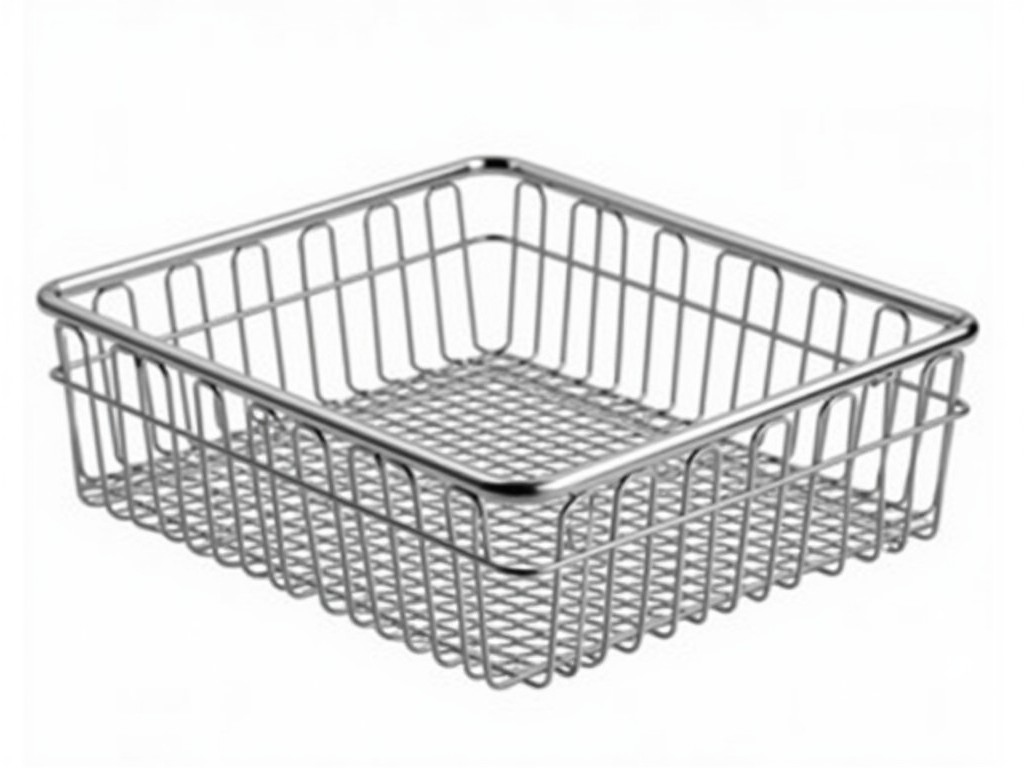
More Products

Send Inquiry
If you are interested in our products, leave your information here and we will be in touch shortly.