1 800 Temp Fence Panel Factory Direct
Temporary fencing systems serve as critical safety and site control barriers on construction zones, event venues, and industrial facilities. The 1 800 temp fence panel—named for its approximate
1 800 Temp Fence Panel Factory Direct
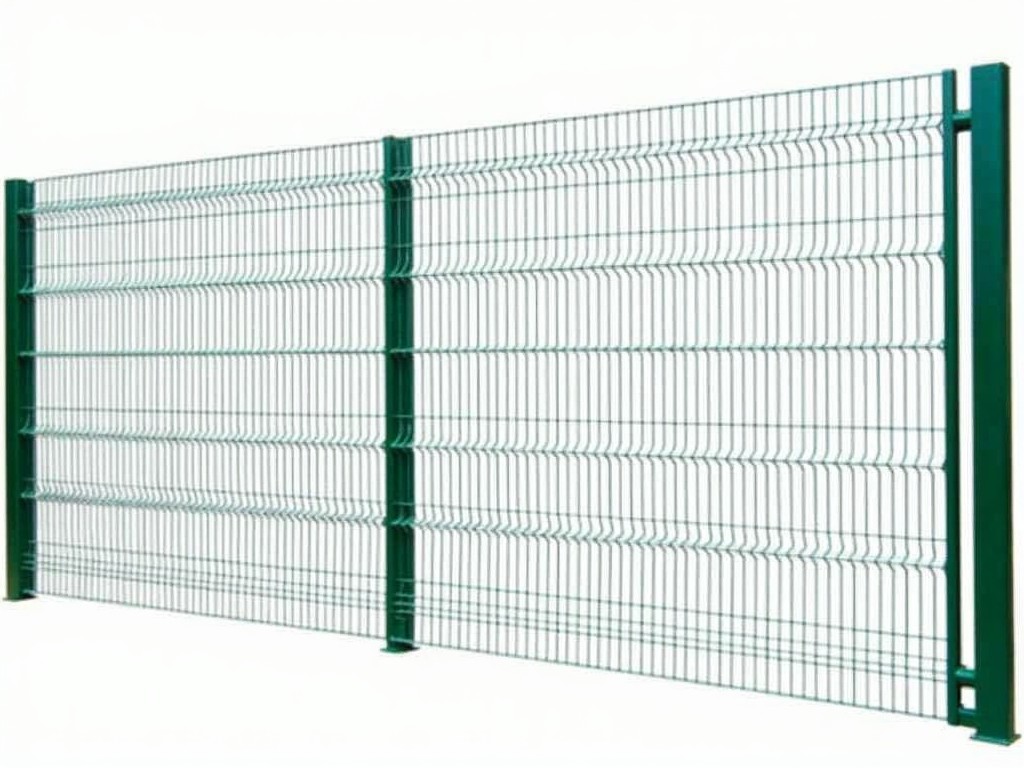
Temporary fencing systems serve as critical safety and site control barriers on construction zones, event venues, and industrial facilities. The 1 800 temp fence panel—named for its approximate height of 1800 millimeters—provides a standardized, reusable solution designed for rapid deployment and repeated use across multiple project phases.
Factory direct sourcing eliminates intermediary markups while maintaining control over material specifications, weld integrity, and surface treatment consistency. Buyers gain visibility into production timelines, quality checkpoints, and customization options that distributors may not disclose or accommodate.
This page explains the engineering characteristics, material options, assembly logic, and quality considerations that define a reliable 1800 mm temporary fence panel system when procured directly from the manufacturer.
Structural Design and Dimensional Standards
The nominal 1800 mm height refers to the vertical dimension of the primary mesh or picket assembly, measured from the bottom edge of the base foot to the top of the upper rail. Overall system height may exceed 1800 mm due to the height of the base feet or stabilizers, which typically add 50–100 mm depending on ground conditions and wind load requirements.
Panel width is standardized at 2400 mm (8 feet) to align with common transportation and handling equipment, though widths of 2100 mm or 3000 mm are available upon request. The frame consists of two horizontal rails—typically 40 mm × 20 mm rectangular tubing—connected by vertical infill, either welded wire mesh or vertical pickets spaced at 100–150 mm intervals.
Base feet are fabricated from 6 mm thick steel plate, formed into a triangular or L-shaped configuration to resist overturning moments. Each foot weighs between 8–12 kg, providing sufficient ballast for Category II wind zones (up to 110 km/h) when panels are interconnected via couplers.
Material Composition and Corrosion Protection
Primary structural components are manufactured from hot-rolled mild steel conforming to ASTM A36 or equivalent EN 10025 S275JR. Tubular rails and pickets use 1.2–1.6 mm wall thickness, balancing impact resistance with handling weight. Base feet utilize 6 mm plate for rigidity without excessive mass.
Corrosion protection follows a two-stage process: hot-dip galvanization per ASTM A123 (minimum 610 g/m² zinc coating) for all cut-and-welded assemblies, followed by optional powder coating in safety yellow, orange, or white for enhanced visibility and UV resistance. Powder coating adds 80–120 µm thickness over the galvanized layer, extending service life in coastal or industrial environments.
Alternative materials include galvannealed steel for paint adhesion or stainless steel (Grade 304) for chemical exposure zones, though these increase material cost by 40–200% and are specified only when environmental conditions justify the premium.
Assembly Logic and Site Deployment
Panels interconnect via forged steel couplers that slide over the vertical ends of adjacent frames and are secured with a single M12 bolt and nut. This allows straight runs, 90° corners, and 45° angles without specialized parts. Coupler design permits vertical adjustment of ±25 mm to accommodate uneven terrain.
Installation requires two workers per panel: one to position the base feet, another to align and couple the frame. Average installation rate is 8–12 panels per worker-hour on level ground with pre-staged components. Disassembly follows the reverse sequence, with nested stacking reducing storage volume by 70% compared to deployed footprint.
For high-wind or public safety applications, optional ground stakes (600 mm length, 16 mm diameter) can be driven through pre-drilled holes in the base feet. Ballast bags filled with gravel or sand (25 kg capacity) provide an alternative where ground penetration is prohibited.
Quality Control and Manufacturing Consistency
Factory direct procurement enables oversight of critical production stages: raw material inspection, dimensional cutting tolerance (±1.5 mm), weld penetration verification (minimum 3 mm fillet), galvanizing bath temperature and dwell time, and final dimensional audit before packaging.
Each production lot undergoes random sampling for coating thickness using magnetic induction gauges, with results recorded per panel ID. Weld quality is assessed via visual inspection per AWS D1.1, with bend testing conducted on sacrificial samples to confirm ductility. Panels failing visual or dimensional checks are reworked or scrapped.
Traceability is maintained through laser-etched or stamped identifiers on each frame, linking to material certificates, test reports, and production date. This supports warranty claims and facilitates recall procedures if non-conforming materials are identified post-delivery.
Customization Options and Project-Specific Adaptations
While the 1800 × 2400 mm panel is the standard configuration, manufacturers accommodate project-specific adjustments without redesigning core components. Common modifications include increased mesh density (from 50×50 mm to 25×25 mm) for debris containment, horizontal mid-rails for added rigidity in 3000 mm wide spans, and retro-reflective strips applied to vertical pickets for nighttime visibility.
Base feet can be modified with bolt-on extensions for soft soil or integrated wheel kits for frequent repositioning. Custom colors beyond standard safety hues are available via powder coating, with Pantone matching upon request. Logo stenciling or vinyl decals are applied post-coating for brand identification or site messaging.
All customizations are evaluated for structural impact—added weight, wind load, and stress concentrations—before approval. Manufacturers provide revised load calculations and installation notes when non-standard configurations are requested.
| Parameter | Standard Specification | Available Range / Options |
|---|---|---|
| Nominal Height | 1800 mm | 1600 mm, 2000 mm, 2200 mm |
| Panel Width | 2400 mm | 2100 mm, 3000 mm, 3600 mm |
| Frame Tubing | 40 mm × 20 mm × 1.5 mm | 40×25 mm, 50×25 mm (up to 2.0 mm wall) |
| Infill Type | 50×50 mm welded mesh | 25×25 mm mesh, vertical pickets, solid panels |
| Base Foot Weight | 10 kg (triangular) | 8 kg (L-foot), 15 kg (extended base) |
| Coating System | Hot-dip galvanized (610 g/m²) | Galvanized + powder coat, galvannealed, SS 304 |
| Coupler Type | Forged steel, M12 bolt | Pin-lock, wedge-lock, swivel corner |
Applications and Industry Suitability
In construction, 1800 mm temp fence panels delineate perimeter boundaries, protect pedestrian walkways from equipment traffic, and secure excavation edges where fall hazards exceed 600 mm. Their reusability reduces long-term site safety costs compared to single-use wooden barricades.
Event management relies on these panels for crowd control, vendor zone separation, and backstage access restriction. The smooth, burr-free surface minimizes snagging risks for clothing and equipment, while the modular design allows rapid reconfiguration as attendee flow patterns shift.
Industrial facilities deploy them during maintenance turnovers to isolate hot work zones, contain spill risks, or guide vehicle traffic around active processes. The ability to ground-stabilize or ballast the panels ensures compliance with OSHA 1926.502(b) and equivalent international temporary barrier standards.
Municipal projects use them for roadwork detours, utility repair sites, and public space renovations. Visibility enhancements—such as reflective tape or alternating color panels—improve detection by drivers and pedestrians in low-light conditions, reducing incident rates in urban environments.
Procurement Considerations and Lead Times
Factory direct lead times typically range from 10–25 working days for standard configurations, depending on order volume and current production load. Stock items (galvanized, 1800×2400 mm, mesh infill) may ship within 3–5 days after payment confirmation.
Custom orders—those requiring altered dimensions, special coatings, or non-standard infill—add 5–15 days for engineering review, tooling adjustments, and process validation. Manufacturers require formal approval of fabrication drawings before cutting begins.
Minimum order quantities apply: 50 panels for standard configurations, 20 panels for customized runs. Smaller quantities are available via distributor channels but lose the cost and traceability advantages of direct sourcing. Export shipments are packed in steel-framed pallets with corner protection, shrink-wrapped, and rated for 20-ton container stacking.
Ready to discuss your temporary fencing requirements?
Contact our technical team for project-specific quotations, load calculations, or sample panel evaluation. Provide site dimensions, expected duration, wind exposure, and any access constraints to receive accurate lead times and pricing.
Request Technical Consultation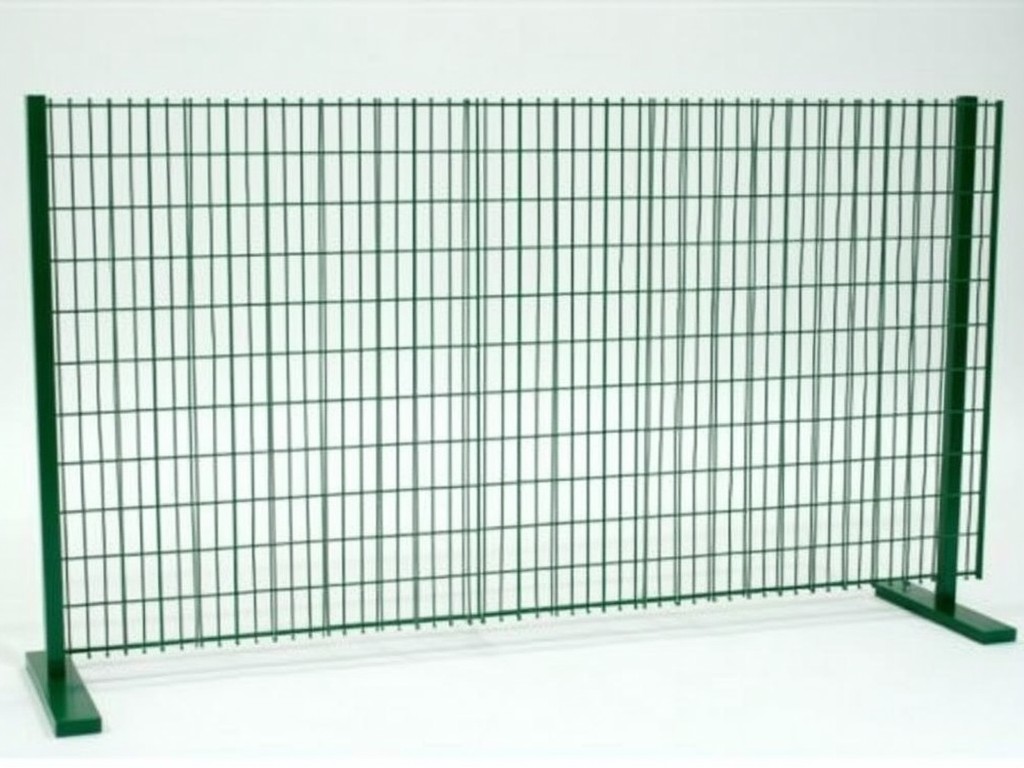
More Products

Send Inquiry
If you are interested in our products, leave your information here and we will be in touch shortly.