China Stainless Steel Wire Supplier
Stainless steel wire is a fundamental material in industrial manufacturing, valued for its corrosion resistance, tensile strength, and formability across diverse applications. As a supplier based in
China Stainless Steel Wire Supplier
Stainless steel wire is a fundamental material in industrial manufacturing, valued for its corrosion resistance, tensile strength, and formability across diverse applications. As a supplier based in China, we focus on providing wire products that meet international standards while accommodating specific engineering requirements through controlled manufacturing processes.
Our production integrates raw material selection, precise drawing techniques, and surface treatment protocols to deliver wire with consistent mechanical properties and dimensional accuracy. This approach supports applications ranging from filtration systems to architectural components where reliability and material integrity are critical.
Understanding the specifications that define wire performance enables informed procurement decisions. This page outlines the technical characteristics, manufacturing considerations, and application contexts relevant to sourcing stainless steel wire from a Chinese supplier.
Material Composition and Grades
Stainless steel wire derives its properties from alloying elements, primarily chromium and nickel, which form a passive oxide layer that resists oxidation and chemical attack. The balance of these elements determines the wire’s suitability for specific environments, such as exposure to chlorides, acids, or elevated temperatures.
Common grades include 304 (18% Cr, 8% Ni), which offers general-purpose corrosion resistance and good formability; 316 (16% Cr, 10% Ni, 2% Mo), enhanced for marine and chemical processing due to molybdenum addition; and 316L, a low-carbon variant reducing sensitization risk during welding. For high-temperature applications, grades like 309 and 310 provide increased chromium and nickel content for oxidation resistance up to 1000°C.
Martensitic grades such as 420 and 440C are selected when higher hardness and wear resistance are required, though they offer lower corrosion resistance compared to austenitic types. Ferritic grades like 430 provide magnetic properties and moderate corrosion resistance at lower cost, suitable for automotive trim and appliance components.
Each grade is available in various tempers—annealed, quarter-hard, half-hard, full-hard—achieved through controlled cold drawing and annealing cycles. Temper affects tensile strength, elongation, and bendability, allowing engineers to match wire properties to forming processes like coiling, weaving, or spring manufacturing.
Manufacturing Process and Quality Control
Wire production begins with hot-rolled or cold-rolled stainless steel rod, which undergoes pickling to remove surface oxides and scale. The cleaned rod is then drawn through a series of progressively smaller dies to achieve the target diameter, with each pass reducing cross-sectional area and increasing tensile strength through work hardening.
Intermediate annealing may be required between drawing passes to restore ductility and prevent cracking, especially for fine wires or complex geometries. Atmosphere-controlled furnaces using hydrogen or dissociated ammonia prevent oxidation during annealing, preserving surface finish and dimensional stability.
Final processing includes straightening, spooling, and application of lubricants or coatings as needed. For applications requiring enhanced surface quality, electropolishing or passivation treatments remove embedded contaminants and enhance the passive layer. Throughout production, in-line monitoring tracks diameter tolerance, tensile strength, and surface defects.
Quality verification includes tensile testing per ASTM A370, elongation measurement, bend testing for ductility, and spectroscopic analysis to confirm chemical composition. Surface inspection identifies scratches, pits, or inclusions that could initiate corrosion or fatigue failure. Test reports are available upon request, detailing batch-specific results and compliance with standards such as ASTM A240, A276, or EN 10088-3.
Technical Specifications and Tolerances
Stainless steel wire is supplied in a range of diameters suitable for different industrial functions. Fine wires below 0.5 mm are used in meshes, filters, and medical devices, while larger diameters above 5 mm serve in structural components, fasteners, and wire ropes. Standard tolerances follow ISO 9001 or customer-specific requirements, with tighter controls available for precision applications.
Typical diameter tolerances range from ±0.01 mm for wires under 1 mm to ±0.05 mm for diameters between 3–6 mm, achievable through calibrated dies and real-time process monitoring. Out-of-roundness is generally held below 50% of the diameter tolerance to ensure consistent performance in coiling and winding operations.
Tensile strength varies by grade and temper. Annealed 304 wire typically ranges from 500–700 MPa, while full-hard temper can exceed 1800 MPa. Elongation at break decreases with increasing hardness, from 40–60% in annealed states to less than 5% in full-hard conditions. These values are influenced by reduction of area during drawing and post-processing treatments.
Surface finish is described by roughness average (Ra), with standard drawn wire ranging from 0.4–1.0 μm. Bright finishes achieved through polishing or electrolytic treatment can reach Ra <0.2 mm, beneficial for hygienic or optical applications. Custom finishes, including coated or plated surfaces, are available based on project requirements.
Applications Across Industries
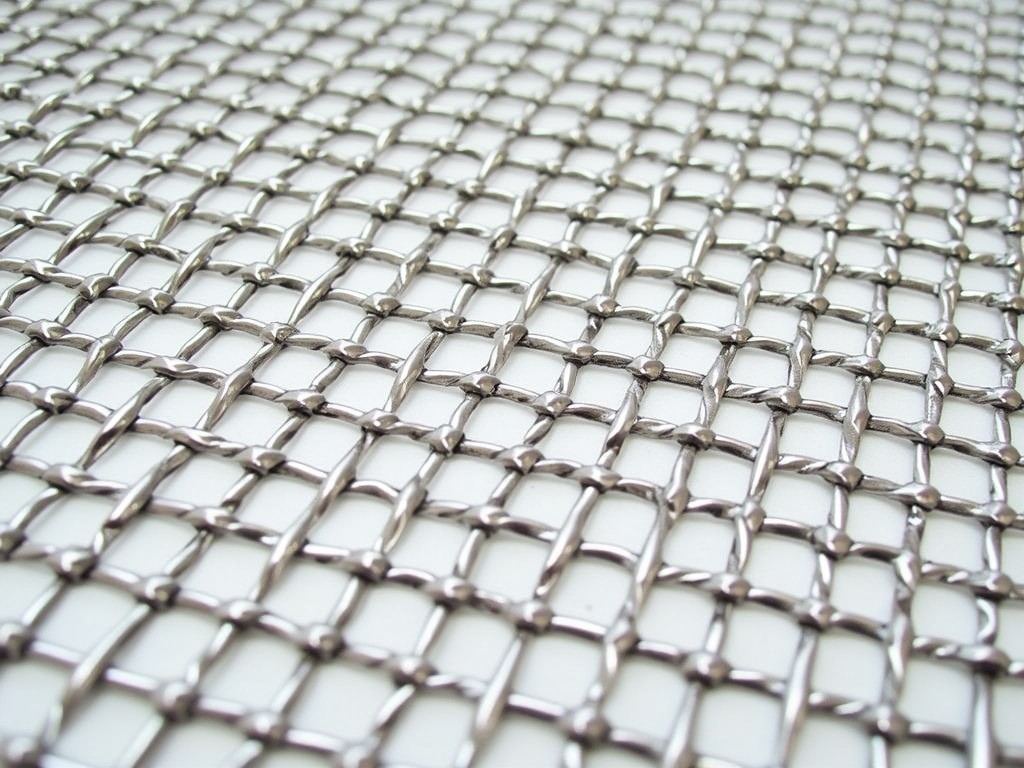
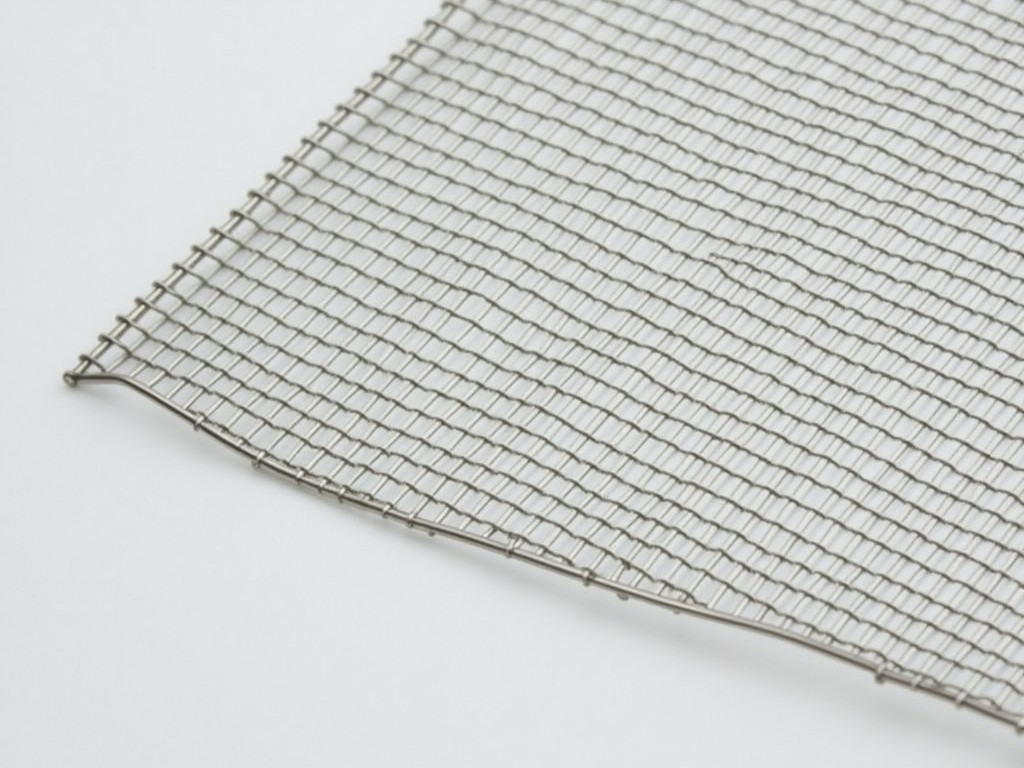
In filtration systems, stainless steel wire is woven into meshes or sintered into porous elements where corrosion resistance and precise pore size distribution are essential. Wire diameter and weave pattern directly affect flow rate, particle retention, and pressure drop, making material consistency critical for performance validation in pharmaceutical, food processing, and water treatment applications.
For architectural and decorative uses, wire forms cable balustrades, mesh facades, and tensile structures where aesthetic appearance and long-term exposure resistance are priorities. Grade 316 is frequently selected for coastal environments due to its resistance to salt-induced pitting, while surface finishes are specified to maintain visual uniformity over time.
In manufacturing, wire serves as feedstock for springs, fasteners, and wire-formed parts. Springs require precise tensile strength and elastic limit to ensure consistent load characteristics, while fasteners depend on thread-forming ability and hardness to prevent stripping or galling during assembly. The ability to customize temper and diameter allows integration into automated coiling and heading processes.
Additional applications include welding wire for GMAW and GTAW processes, where consistent diameter and chemical composition ensure stable arc performance and weld integrity; medical devices such as guide wires and catheters, requiring biocompatibility and surface smoothness; and industrial springs for valves, clutches, and suspension systems where fatigue resistance under cyclic loading is paramount.
Customization Options
Diameter range is available from 0.1 mm to 20 mm, with incremental steps defined by die sets and drawing capabilities. Custom diameters outside standard ranges can be accommodated through tooling adjustments, subject to minimum order quantities and process feasibility reviews.
Temper levels are tailored to downstream processing needs. Annealed wire offers maximum ductility for complex bending or weaving, while spring temper provides high yield strength for energy storage applications. Intermediate tempers (e.g., quarter-hard, three-quarter-hard) balance strength and formability for specific forming operations.
Surface treatments include passivation to enhance corrosion resistance, electropolishing for micro-smooth finishes, and application of dry lubricants or polymers to reduce friction during coiling or insertion. For electrical applications, insulation coatings such as nylon or PTFE can be applied to achieve specific dielectric properties.
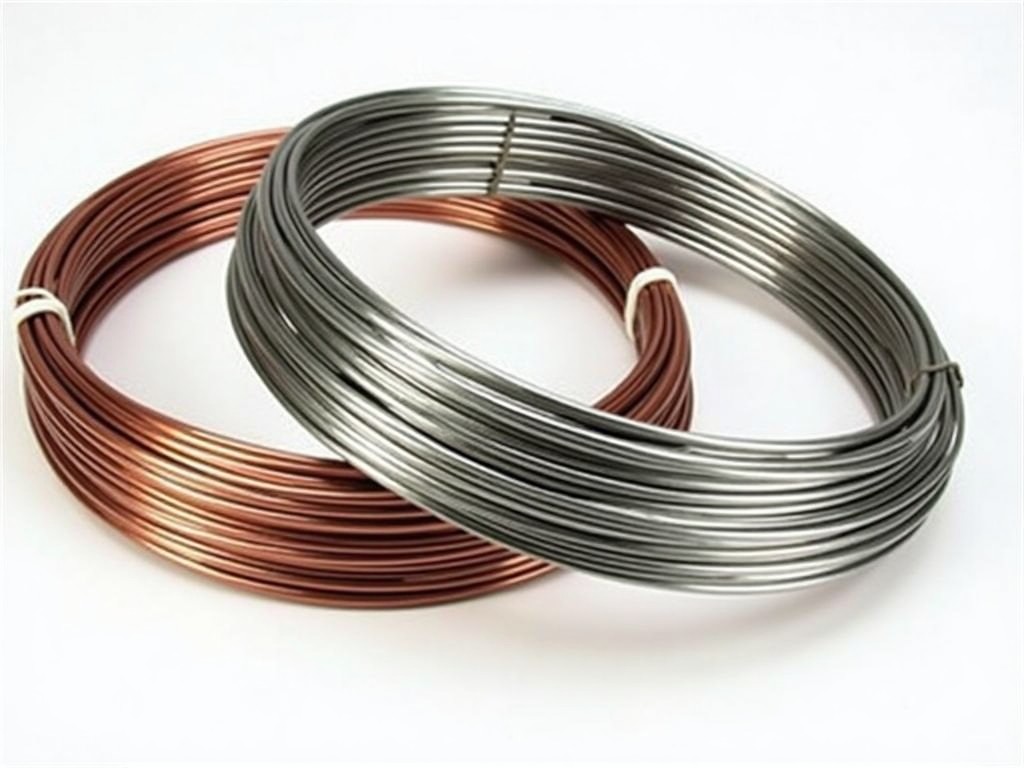
Spooling and packaging options accommodate different handling requirements. Wire can be supplied on plastic, wooden, or metal spools with weights ranging from 0.5 kg to 50 kg, or in straight lengths bundled with protective wrapping. Corrosion-inhibiting vapors or desiccants are included for long-term storage or humid climates.
Length tolerances, end treatments (such as chamfering or pointing), and identification marking (e.g., laser etching or tagging) are available upon request. All customization requests are evaluated for technical feasibility and impact on lead time before quotation.
Quality Assurance and Testing
Quality control is integrated at multiple stages of production, starting with raw material verification through mill test certificates and incoming spectroscopy. Each heat is tracked to ensure traceability from melt to final product, supporting investigations if field performance issues arise.
In-process controls monitor drawing force, temperature, and speed to detect anomalies that could affect diameter consistency or surface integrity. Online laser gauges provide real-time diameter feedback, enabling immediate die adjustments to maintain tolerance.
Finished wire undergoes mechanical testing on samples from each batch, including tensile strength, yield strength, elongation, and hardness. Bend and wrap tests assess ductility and adhesion of coatings or platings. Non-destructive methods such as eddy current testing identify surface cracks or subsurface inclusions without damaging the product.
Chemical analysis confirms compliance with grade specifications, particularly for critical elements like carbon, chromium, nickel, and molybdenum. For applications requiring low carbon or low sulfur content, additional verification is performed. All test data is retained and available for review, with certificates of conformance provided per shipment.
Packaging is designed to prevent damage during transit and storage. Spools are secured to prevent shifting, and wire ends are fixed to avoid unraveling. Moisture barriers and corrosion inhibitors are used as needed, particularly for export shipments to high-humidity regions. Upon receipt, customers are advised to store wire in dry, temperature-stable environments to preserve properties.
Comparison of Common Stainless Steel Wire Grades
| Grade | Primary Alloying Elements | Corrosion Resistance | Typical Applications | Temperature Limit (°C) |
|---|---|---|---|---|
| 304 | 18% Cr, 8% Ni | Good general resistance | Food equipment, architectural trim, fasteners | 870 |
| 316 | 16% Cr, 10% Ni, 2% Mo | Enhanced resistance to chlorides | Marine hardware, chemical processing, medical implants | 925 |
| 316L | 16% Cr, 10% Ni, 2% Mo, low C | Superior weldability, low sensitization | Welded assemblies, pharmaceutical equipment | 925 |
| 430 | 17% Cr, negligible Ni | Moderate, magnetic | Automotive trim, appliance panels | 815 |
| 420 | 13% Cr, high C | Lower, but high hardness | Cutlery, surgical instruments, valve parts | 760 |
*Values are typical ranges. Actual performance depends on specific composition, temper, and environmental conditions. Consult material data sheets for detailed specifications.
Environmental and Safety Considerations
Stainless steel wire is recyclable, with scrap value retained due to its alloy content. End-of-life recovery supports circular material flows, reducing demand for virgin raw materials. Manufacturing processes emphasize energy efficiency through optimized drawing speeds and heat recovery in annealing furnaces.
During handling, sharp edges or burrs on cut wire ends require protective gloves to prevent lacerations. Dust generated during grinding or cutting should be controlled via local exhaust ventilation, particularly when working with nickel-containing grades, to minimize inhalation risks. Safety data sheets are available upon request, detailing composition, handling precautions, and emergency procedures.
For applications involving food contact, pharmaceuticals, or potable water, wire must comply with relevant regulations such as FDA 21 CFR, EU 10/2011, or NSF/ANSI 51. Certification to these standards is available upon request, based on material traceability and surface finish validation.
Electromagnetic properties vary by grade. Austenitic grades like 304 and 316 are non-magnetic in the annealed state but may develop slight magnetism after cold working. Ferritic and martensitic grades are inherently magnetic, which may affect suitability in applications requiring non-magnetic components, such as MRI equipment or precision instrumentation.
For technical inquiries, specification requests, or to discuss custom requirements for stainless steel wire, please contact our engineering team. We provide detailed material data, test reports, and support for integration into your design or manufacturing process.
More Products

Send Inquiry
If you are interested in our products, leave your information here and we will be in touch shortly.