Er308L Stainless Steel Welding Filler Wire
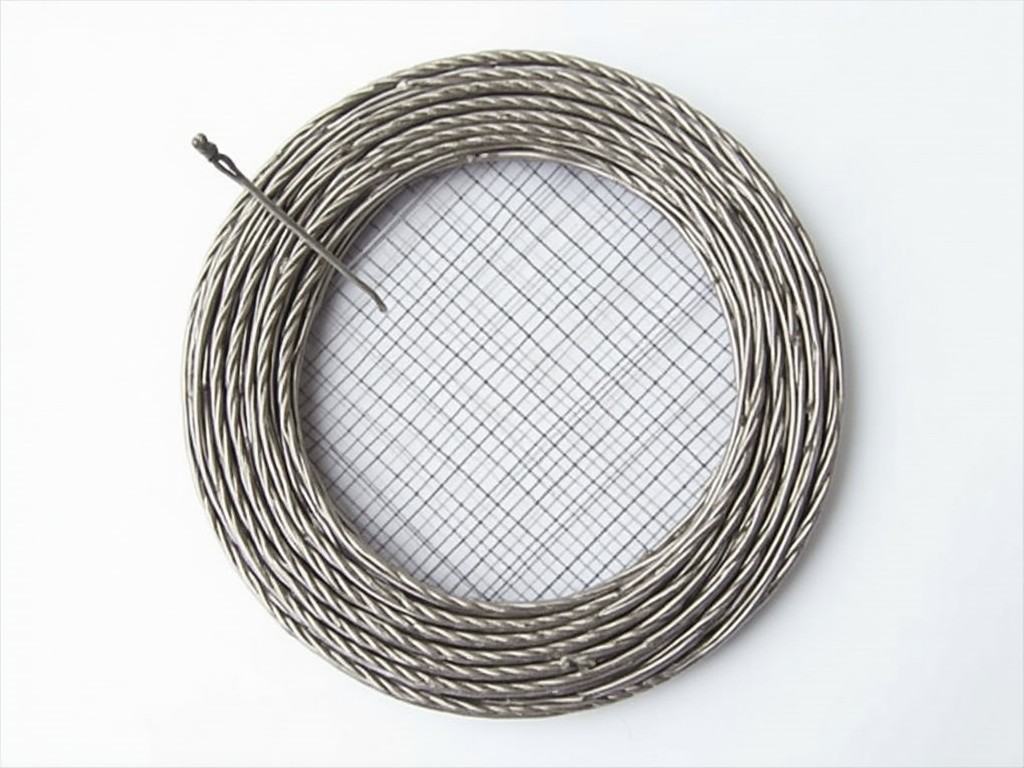
ER308L is a low-carbon austenitic stainless steel welding filler wire designed for joining 304 and 304L base metals. The "L" designation indicates a maximum carbon content of 0.03%, which minimizes
ER308L Stainless Steel Welding Filler Wire
ER308L is a low-carbon austenitic stainless steel welding filler wire designed for joining 304 and 304L base metals. The "L" designation indicates a maximum carbon content of 0.03%, which minimizes carbide precipitation during welding and reduces susceptibility to intergranular corrosion in the heat-affected zone. This wire is commonly used in applications requiring resistance to atmospheric corrosion and mild chemical environments.
Chemical Composition and Mechanical Properties
The typical chemical composition of ER308L filler wire includes chromium (19.5–22.0%), nickel (9.0–11.0%), and manganese (1.0–2.5%), with silicon (0.30–0.65%) to improve wettability and bead appearance. Carbon is limited to 0.03% max to prevent sensitization. Trace elements such as phosphorus (≤0.03%) and sulfur (≤0.03%) are controlled to maintain ductility and crack resistance. These specifications comply with AWS A5.9 and ASME SFA-5.9 standards.
As-deposited weld metal typically exhibits a tensile strength of 550–750 MPa and yield strength of 320–450 MPa, with elongation exceeding 35% in 2 inches. Ferrite content in the weld microstructure generally ranges from 3 to 8 FN, which helps prevent solidification cracking while maintaining adequate corrosion resistance. These properties are achieved through precise control of raw material purity and consistent drawing processes during manufacturing.
Shielding Gas Compatibility and Welding Process Suitability
ER308L is compatible with common shielding gases used in GMAW (MIG) and GTAW (TIG) processes. For GMAW, argon-based mixtures with 1–2% oxygen or 0.5–5% CO₂ provide optimal arc stability, bead shape, and wetting characteristics. Pure argon is standard for GTAW applications, particularly on thin materials or where precise bead control is required. The wire’s deoxidizing elements (Si, Mn) compensate for minor oxygen contamination in the shielding gas.
It is suitable for all-position welding when using appropriate parameters. Spray transfer mode is achievable with higher argon-rich mixtures, while short-circuit transfer works well with CO₂-containing gases for thin-section welding. The wire’s consistent diameter tolerance (±0.02 mm) ensures reliable feeding in automated and semi-automated systems, reducing wire feed issues and contact tip wear.
Typical Industrial Applications
ER308L is widely used in the fabrication of food processing equipment, pharmaceutical machinery, and dairy handling systems where 304L stainless steel is the base material. Its low carbon content ensures that welded joints retain corrosion resistance after exposure to frequent cleaning cycles, steam, and mild acidic or alkaline solutions commonly found in these environments.
In architectural and ornamental stainless steel applications, ER308L produces clean, visually consistent welds on exposed surfaces such as handrails, balustrades, and panel assemblies. The weld bead’s smooth finish and minimal spatter reduce post-weld cleaning requirements. It is also employed in the manufacturing of chemical storage tanks, heat exchangers, and piping systems handling non-aggressive media at temperatures below 400°C.
Automotive suppliers use ER308L for exhaust system components, fuel tanks, and structural brackets made from 304L stainless steel. The wire’s resistance to cracking under thermal cycling and vibration makes it suitable for dynamic-load applications. Its compatibility with robotic welding cells supports high-volume production lines requiring repeatable weld quality.
Manufacturing Considerations and Quality Control
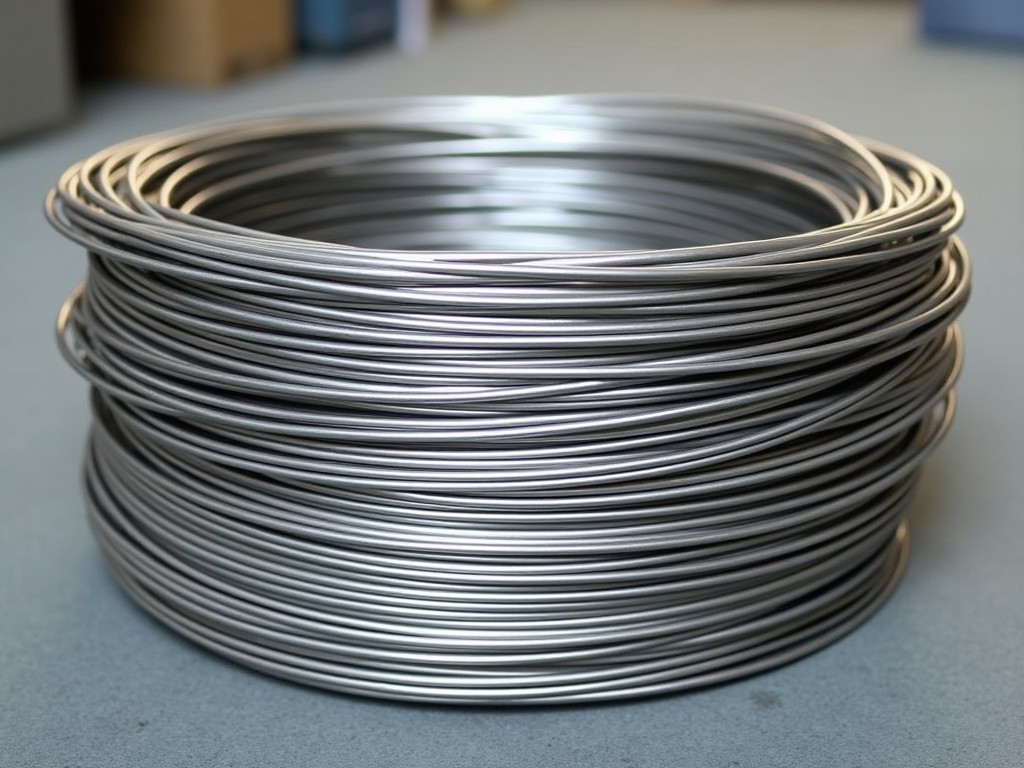
The production of ER308L filler wire begins with precision melting of raw materials in vacuum induction furnaces or argon-oxygen decarburization (AOD) vessels to achieve exact chemical tolerances. The molten alloy is cast into billets, hot-rolled to rod, then cold-drawn through a series of dies to reach final diameters (typically 0.6 mm to 2.4 mm). Each drawing step includes intermediate annealing to maintain ductility and prevent work hardening.
Final quality verification includes chemical analysis via optical emission spectroscopy (OES), tensile testing of weld deposits per AWS A5.9, and ferrite measurement using a magnetic permeameter. Surface quality is inspected for defects such as scratches, pits, or oxidation that could affect arc stability or cause porosity. Spools are wound with consistent tension to prevent loosening or tangling during use.
Packaging options include plastic-sealed spools (0.5 kg, 1 kg, 5 kg) inside cardboard boxes with desiccant to prevent moisture absorption, or drum packaging (15–25 kg) for high-volume industrial users. All packaging is labeled with lot numbers, diameter, alloy classification, and applicable standards for traceability.
Comparison with Similar Filler Wires
Compared to ER308 (standard carbon), ER308L offers superior resistance to intergranular corrosion in the as-welded condition, eliminating the need for post-weld solution annealing in most applications. While ER308 may provide slightly higher strength due to higher carbon content, this advantage is often offset by corrosion risks in service environments involving prolonged exposure to moisture or chemicals.
When contrasted with ER309L, which contains higher chromium and nickel (23–25% Cr, 12–14% Ni), ER308L is less suitable for joining dissimilar metals or high-temperature service above 400°C. However, for matching 304L base metals in moderate-temperature applications, ER308L provides adequate corrosion resistance with lower material cost and better weldability in thin sections due to lower melting point and fluidity.
| Property | ER308L | ER308 | ER309L |
|---|---|---|---|
| Carbon Content (max) | 0.03% | 0.08% | 0.03% |
| Chromium | 19.5–22.0% | 19.5–22.0% | 23.0–25.0% |
| Nickel | 9.0–11.0% | 9.0–11.0% | 12.0–14.0% |
| Typical Use Case | 304L base metal, moderate corrosion |
304 base metal, higher strength needed |
Dissimilar metals, high-temp service |
| Ferrite Number (FN) | 3–8 | 3–8 | 8–12 |
Customization and Ordering Information
ER308L filler wire is available in standard diameters ranging from 0.6 mm to 2.4 mm, with custom diameters possible upon request for specialized welding equipment or automated systems. Spools sizes include 0.5 kg, 1 kg, 5 kg for small-scale or laboratory use, and 15 kg or 25 kg drums for continuous production environments. All products are supplied with mill test reports (MTRs) documenting chemical composition and conformance to AWS A5.9.
For customers requiring specific surface finishes (e.g., ultra-clean for food-grade applications) or special packaging (e.g., vacuum-sealed for long-term storage), these options can be discussed during quotation. Technical support is available to assist with parameter selection, shielding gas recommendations, and troubleshooting weldability issues related to base material condition or joint design.
More Products

Send Inquiry
If you are interested in our products, leave your information here and we will be in touch shortly.