Flux Core Stainless Steel Mig Welding Wire
Selecting the correct welding consumable is critical for achieving weld integrity in demanding environments. This page explains the technical characteristics, manufacturing considerations, and
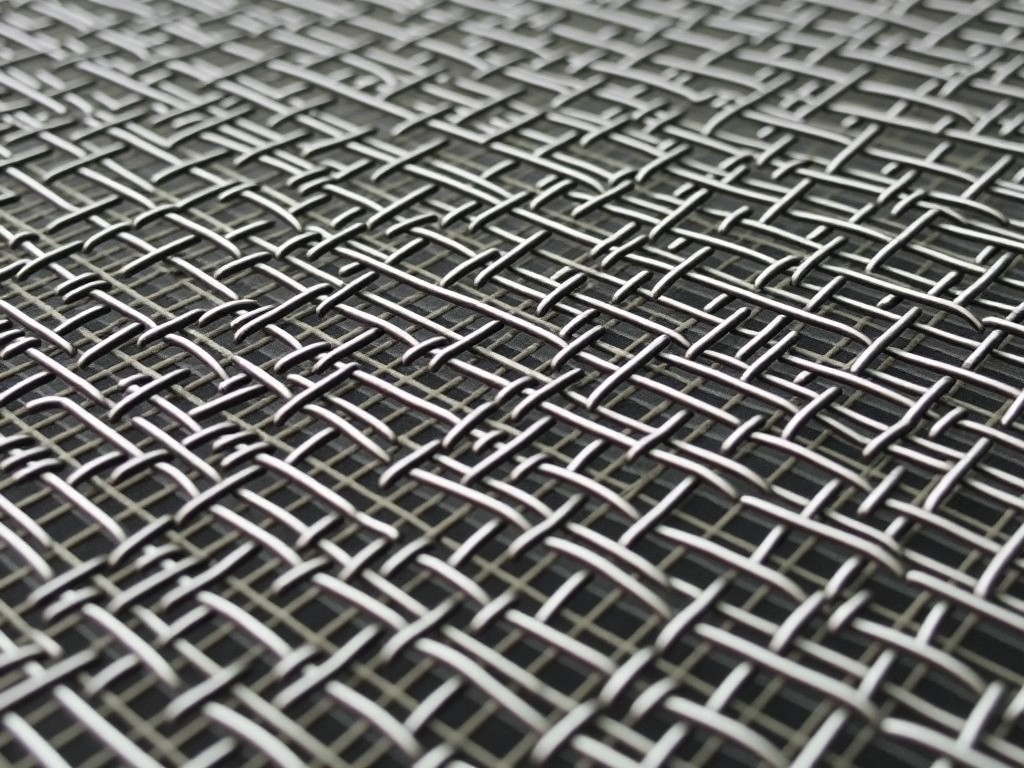
Flux Core Stainless Steel MIG Welding Wire
Selecting the correct welding consumable is critical for achieving weld integrity in demanding environments. This page explains the technical characteristics, manufacturing considerations, and application-specific advantages of flux core stainless steel MIG welding wire to support informed procurement decisions.
Technical Composition and Classification
Flux core stainless steel MIG welding wire consists of a metal sheath filled with a proprietary flux compound. The sheath is typically made from austenitic stainless steel grades such as 308L, 309L, or 316L, selected based on the base metal composition and required corrosion resistance. The flux core contains deoxidizers, arc stabilizers, and slag formers that shield the weld pool from atmospheric contamination and influence bead shape and mechanical properties.
Unlike solid wire, flux core wire generates its own shielding gas through decomposition of the flux ingredients, enabling operation in windy outdoor conditions or where external gas supply is impractical. The wire diameter commonly ranges from 0.035 inch (0.9 mm) to 0.045 inch (1.2 mm), with larger diameters used for higher deposition rates in thick-section welding.
Manufacturing Process and Quality Control
Production begins with precision drawing of stainless steel strip into a tubular form, followed by filling with calibrated flux powder under controlled atmospheric conditions to prevent moisture absorption. The filled tube is then drawn through a series of dies to achieve the final diameter, ensuring concentricity and consistent core positioning.
Each batch undergoes chemical analysis of the sheath material and flux content to verify compliance with AWS A5.22 or EN ISO 17633-A standards. Mechanical testing includes tensile strength, elongation, and impact toughness measurements on all-weld-metal deposits. Ferrite content is measured using a ferritescope to predict hot cracking resistance in austenitic welds.
Performance Characteristics in Service
The flux formulation influences key weld characteristics: bead appearance, slag removal ease, spatter levels, and penetration depth. Wires optimized for out-of-position welding contain rapid-solidifying slag formers to support the weld pool in vertical and overhead orientations. For corrosion-resistant applications, low-carbon grades (e.g., 308L, 316L) minimize carbide precipitation during welding, preserving intergranular corrosion resistance.
Deposition efficiency typically ranges from 85% to 92%, higher than solid wire due to the conductive flux core enabling higher current densities. Travel speeds are often 10-20% faster than equivalent solid wire applications, reducing heat input and distortion in thin-gauge materials.
Application-Specific Advantages
In structural fabrication of stainless steel tanks, pressure vessels, and food processing equipment, flux core wire enables high-productivity welding without the logistical complexity of external gas cylinders. The self-shielding property is particularly beneficial in shipyards, offshore platforms, and outdoor pipeline construction where wind disrupts gas shielding.
For repair and maintenance operations, the wire’s tolerance to mild surface contamination (such as light oxide or oil) reduces pre-weld cleaning requirements compared to TIG or solid MIG processes. This advantage translates to reduced labor time in field service scenarios where surface preparation is limited.
Comparison: Flux Core vs. Solid Stainless Steel MIG Wire
| Characteristic | Flux Core Wire | Solid Wire |
|---|---|---|
| Shielding Method | Self-shielding (flux-generated gas) | Requires external shielding gas (Ar/CO2 mix) |
| Outdoor Suitability | High (resists wind disruption) | Low (gas shielding easily disrupted) |
| Deposition Efficiency | 85–92% | 90–95% |
| Typical Applications | Structural, repair, outdoor fabrication | Precision welding, clean indoor environments |
| Equipment Compatibility | Standard MIG welder (DCEN polarity) | Standard MIG welder (DCEP polarity) |
Selection Considerations
Choosing the appropriate flux core wire requires matching the alloy type to the base metal (e.g., 308L for 304/304L stainless, 316L for 316/316L). Wire diameter should be selected based on joint thickness and desired deposition rate—smaller diameters for thin sheets and root passes, larger for fill and cap passes in thick sections.
Environmental factors such as ambient wind, humidity, and accessibility influence the decision between self-shielding flux core and gas-shielded alternatives. For applications requiring radiographic-quality welds with minimal internal porosity, gas-shielded flux core variants (using external CO2 or Ar/CO2) may be preferred despite the added equipment complexity.
Consult the manufacturer’s data sheet for specific parameters including recommended voltage, amperage range, stick-out length, and interpass temperature limits to ensure optimal performance and avoid defects such as lack of fusion or excessive spatter.
Procurement and Technical Support
Industrial buyers should verify supplier capabilities in traceability, batch testing documentation, and conformity to international welding standards. Request mill test reports (MTRs) that include chemical composition, mechanical properties, and ferrite content for each production lot.
Technical support from the supplier should include assistance with parameter optimization, troubleshooting weld defects, and guidance on storage conditions to prevent flux degradation. Proper storage in dry, temperature-controlled environments is essential to maintain wire performance, particularly for hygroscopic flux formulations.
More Products

Send Inquiry
If you are interested in our products, leave your information here and we will be in touch shortly.