Stainless Steel Tig Welding Wire
Selecting the correct TIG welding wire for stainless steel applications requires understanding alloy composition, shielding behavior, arc stability, and weld metal chemistry. This page explains the
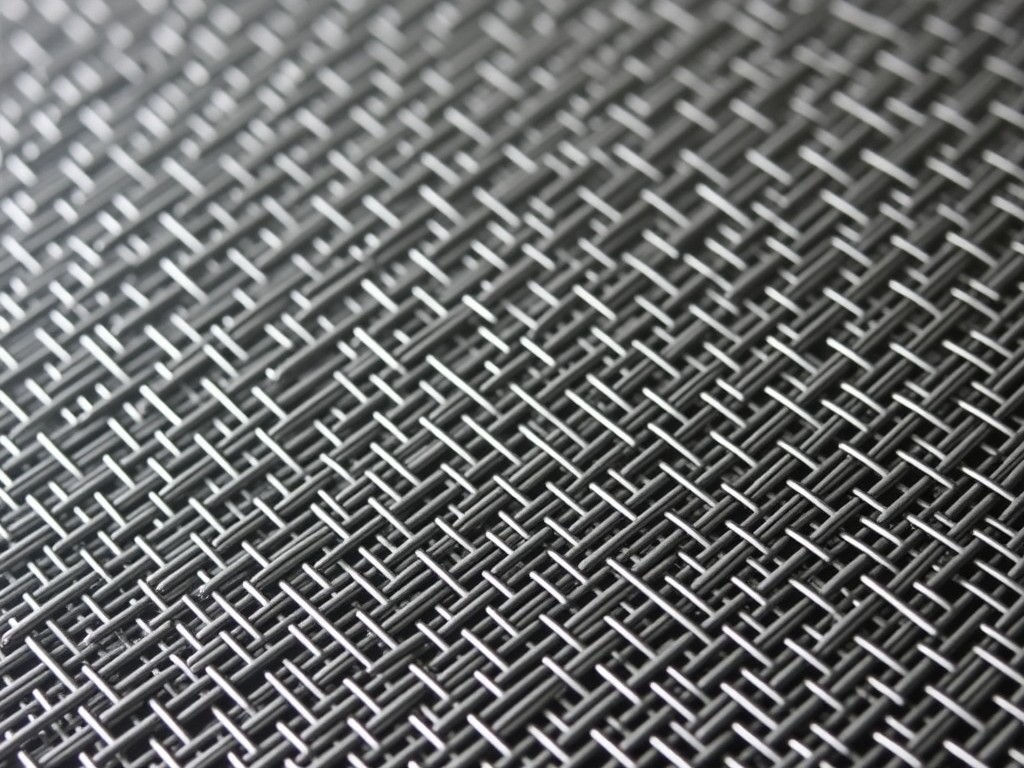
Stainless Steel TIG Welding Wire
Selecting the correct TIG welding wire for stainless steel applications requires understanding alloy composition, shielding behavior, arc stability, and weld metal chemistry. This page explains the technical factors that influence wire performance in GTAW processes, helping engineers and procurement specialists make informed decisions based on material compatibility and service conditions.
Alloy Composition and Weld Metal Properties
The chemical makeup of stainless steel TIG welding wire directly determines corrosion resistance, mechanical strength, and high-temperature performance of the weld deposit. Common grades such as ER308L, ER309L, and ER316L are formulated to match or slightly over-alloy the base metal to compensate for elemental loss during welding, particularly chromium oxidation in the arc zone.
ER308L wire, with approximately 19-22% chromium and 9-11% nickel, is designed for welding 304 and 304L stainless steels where low carbon content minimizes carbide precipitation in the heat-affected zone. ER316L contains 2-3% molybdenum, enhancing resistance to pitting and crevice corrosion in chloride-exposed environments such as marine hardware or chemical processing equipment.
For dissimilar metal joints, ER309L provides higher ferrite content to reduce solidification cracking when joining stainless steel to carbon steel. The wire’s composition is balanced to promote a ferritic-austenitic microstructure that resists hot cracking during cooling, a critical consideration in thick-section fabrication.
Shielding Gas Interaction and Arc Characteristics
TIG welding relies on inert gas shielding to protect the molten weld pool from atmospheric contamination. The interaction between welding wire composition and shielding gas affects arc stability, bead shape, and spatter levels. Pure argon is standard for most stainless steel TIG welding due to its inertness and ability to produce a smooth, penetrating arc.
Adding small amounts of hydrogen (typically 2-5%) to argon can increase arc temperature and travel speed, particularly beneficial when welding thicker sections of austenitic stainless steel. However, hydrogen-containing mixtures require caution with ferritic or martensitic grades due to risk of hydrogen-induced cracking.
Helium additions improve heat input and weld pool fluidity, useful for welding thick sections or high-conductivity materials, but increase cost and reduce arc stability compared to argon-helium blends. Wire manufacturers specify optimal gas mixtures based on alloy type to ensure consistent wetting and minimal oxidation.
Wire Diameter and Current Relationship
The diameter of TIG welding wire influences the required amperage, deposition rate, and control precision. Thinner wires (0.6mm–0.8mm) are used for thin-gauge materials or root passes where low heat input is critical to prevent burn-through. These diameters allow fine control but require lower amperage settings, typically 40–90A depending on joint design.
Larger diameters (1.0mm–1.6mm) support higher deposition rates for fill and cap passes on thicker sections, operating effectively between 90–180A. Using a wire too large for the application can lead to poor wetting and excessive reinforcement, while too small a wire may cause stubbing and arc instability at higher currents.
Proper wire stick-out (typically 6–10mm) ensures consistent electrical resistance and preheating of the filler material before it enters the weld pool. Deviations from this range can alter melt-off rate and affect bead consistency, particularly in automated or mechanized TIG welding setups.
Surface Cleanliness and Contamination Control
Surface contaminants on welding wire—such as drawing lubricants, oxides, or particulate matter—can introduce porosity, hydrogen cracking, or inclusions in the weld. Manufacturers employ precision drawing followed by chemical cleaning and passivation to achieve surface cleanliness levels suitable for critical applications.
Wire is typically supplied in sealed plastic spools with desiccant to prevent moisture absorption during storage. Exposure to humid environments can lead to surface rust or hydrogen pickup, especially in low-carbon grades where moisture dissociation in the arc may contribute to weld porosity.
Before use, wire should be inspected for visible contamination, rust, or deformation. Some industries require wipe testing or vacuum sealing for aerospace or medical device fabrication, where even trace contaminants can compromise weld integrity and regulatory compliance.
Packaging and Spool Design
TIG welding wire is commonly packaged on precision-wound spools to prevent tangling, deformation, or overlapping during feeding. Spool dimensions (e.g., 200mm diameter, 50mm width) are standardized for compatibility with bench-mounted or integrated wire feeders used in manual and automated GTAW systems.
Spools are made from inert materials such as plastic or coated steel to avoid introducing contaminants. Wire is wound under controlled tension to ensure consistent payoff without backlash or birdnesting, which can disrupt arc stability and increase operator intervention.
Net weights typically range from 0.5kg to 5kg per spool, balancing handling convenience with reduced changeover frequency. Heavier spools may be used in robotic welding cells, while smaller spools suit maintenance or field welding operations where portability is valued.
Typical Applications by Alloy Type
The selection of stainless steel TIG welding wire is driven by the base material’s composition and the service environment of the finished weld. Matching the filler metal to the substrate ensures homogeneity in corrosion resistance and mechanical properties across the joint.
ER308L is widely used in food processing equipment, architectural stainless steel, and general fabrication of 304/304L components where intergranular corrosion resistance is required after welding. Its low carbon content allows safe use in temperatures up to 400°C without risk of sensitization.
ER316L finds application in marine fixtures, chemical tanks, and pharmaceutical machinery where exposure to chlorides, acids, or sterilizing agents demands superior pitting resistance. The molybdenum content provides critical protection in environments that would degrade standard 308L welds over time.
ER309L is employed in joining stainless steel to carbon steel in heat exchangers, boiler components, and structural transitions where dilution from the ferritic base metal could otherwise lead to solidification cracks. Its higher nickel and chromium content stabilizes the austenitic weld metal under mixed-condition solidification.
Quality Control and Traceability
Consistency in chemical composition and surface quality is verified through batch testing using optical emission spectroscopy (OES) and mechanical property validation. Each spool is labeled with heat number, alloy classification, diameter, and date of manufacture to support traceability in quality management systems.
Manufacturers adhere to international standards such as AWS A5.9 and ISO 14343 for stainless steel welding wires, which define chemical limits, mechanical properties, and packaging requirements. Compliance is confirmed through third-party certification where required by industry specifications.
Visual and dimensional inspections ensure wire diameter tolerance (typically ±0.02mm) and smooth surface finish. Any deviation beyond spec can cause feeding issues or inconsistent melt-off, undermining weld repeatability in precision fabrication.
| Property | Typical Value / Range | Relevance to Welding Performance |
|---|---|---|
| Wire Diameter | 0.6mm – 1.6mm | Determines amperage range and deposition rate |
| Chromium (ER308L) | 19–22% | Provides corrosion resistance and oxidation protection |
| Nickel (ER308L) | 9–11% | Stabilizes austenitic structure and improves toughness |
| Molybdenum (ER316L) | 2–3% | Enhances resistance to pitting and crevice corrosion |
| Carbon (Max, L Grades) | 0.03% | Minimizes carbide precipitation and sensitization risk |
| Diameter Tolerance | ±0.02mm | Ensures consistent feeding and arc stability |
| Surface Cleanliness | No visible contaminants, oxides, or lubricants | Prevents porosity, hydrogen cracking, and inclusions |
Engineers selecting stainless steel TIG welding wire should evaluate base metal composition, service environment, joint design, and required mechanical properties. Matching the filler metal to these factors ensures welds that maintain structural integrity and corrosion resistance over the component’s lifecycle.
For technical consultation, specification confirmation, or to request samples with mill test certificates, contact our technical team. We provide detailed guidance on alloy selection, shielding gas optimization, and storage practices to support reliable welding outcomes in critical applications.
Contact Technical Team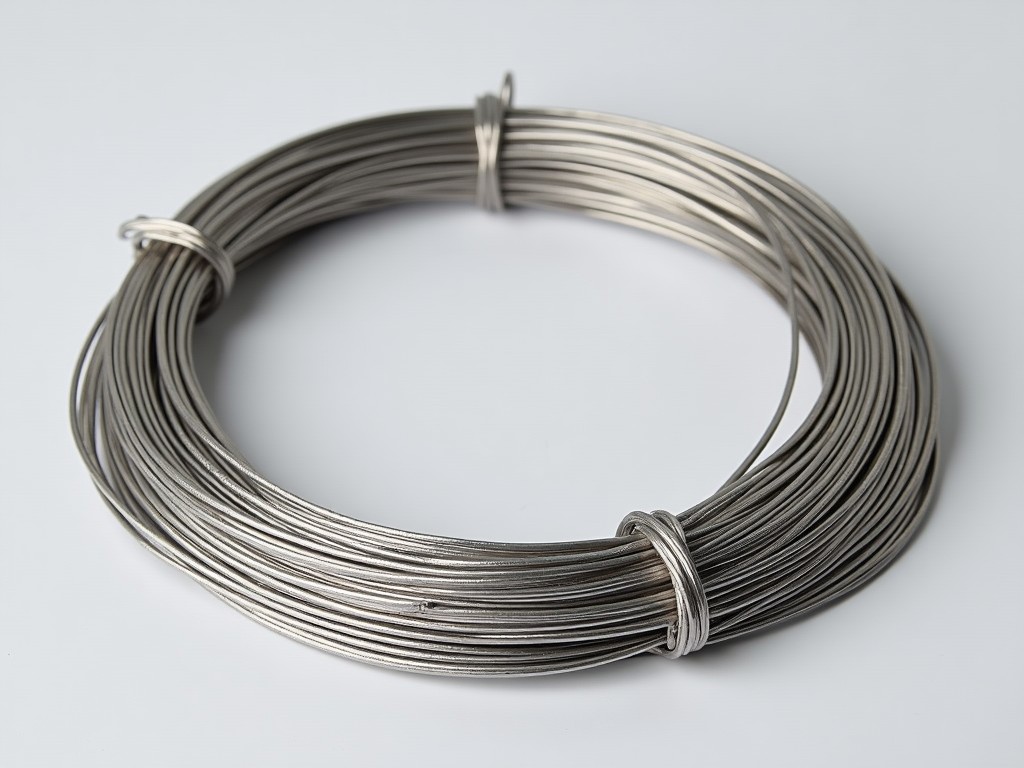
More Products

Send Inquiry
If you are interested in our products, leave your information here and we will be in touch shortly.