Stainless Steel Tracer Wire Suppliers
Stainless steel tracer wire is a precision-engineered component used to enable non-destructive location and tracing of buried metallic pipelines, conduits, and utility infrastructure. Unlike standard
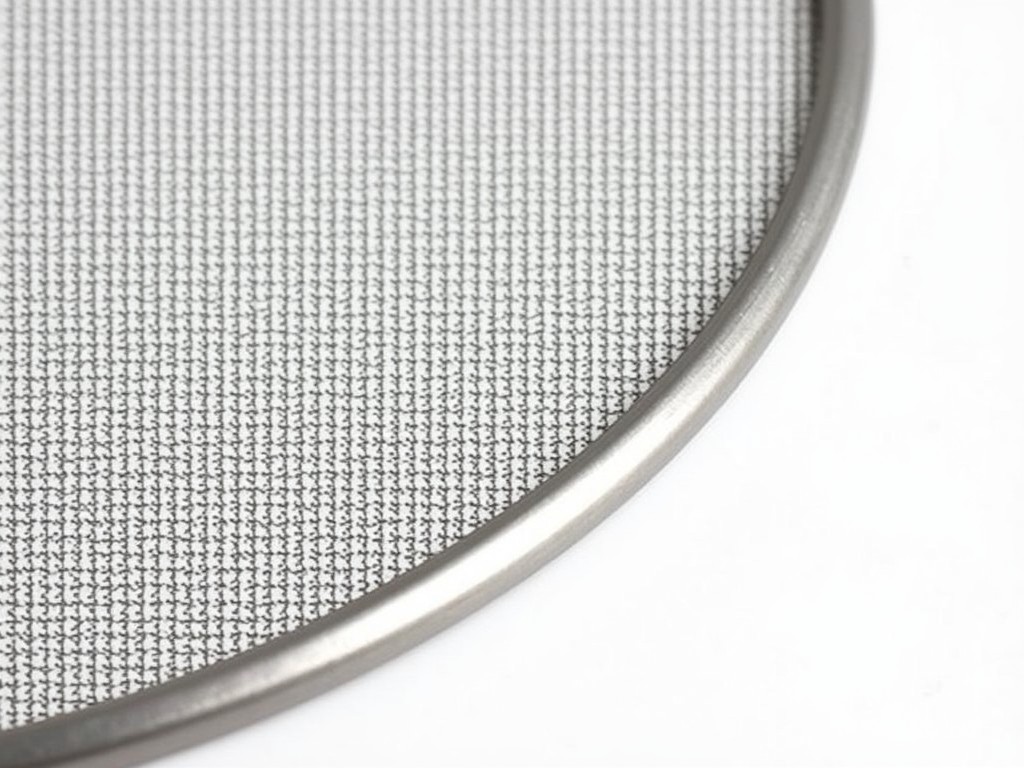
Stainless Steel Tracer Wire: Technical Specifications and Supplier Considerations
Stainless steel tracer wire is a precision-engineered component used to enable non-destructive location and tracing of buried metallic pipelines, conduits, and utility infrastructure. Unlike standard wiring, tracer wire must maintain signal integrity over long distances while resisting soil corrosion, mechanical stress, and environmental degradation. Selection depends on alloy composition, insulation type, tensile strength, and compatibility with locating equipment frequencies.
Material Composition and Corrosion Resistance
Tracer wire performance begins with the stainless steel grade. Commonly used alloys include 304 and 316, selected based on environmental exposure. 304 stainless offers adequate resistance to mild soils and atmospheric conditions, while 316 contains molybdenum for enhanced protection against chlorides and acidic environments—critical in coastal, industrial, or wastewater applications. The wire is typically cold-drawn to achieve uniform tensile strength between 800 and 1,200 MPa, ensuring it survives installation stresses without elongation or breakage.
Insulation Systems and Signal Integrity
The conductive core is insulated with high-density polyethylene (HDPE) or polypropylene (PP), chosen for dielectric strength, abrasion resistance, and compatibility with direct burial. Insulation thickness typically ranges from 0.5 mm to 1.5 mm, depending on voltage requirements and locating signal frequency (usually 512 Hz to 83 kHz). Low capacitance insulation minimizes signal attenuation, allowing reliable detection at depths exceeding 3 meters. Some suppliers offer UV-stabilized jackets for aerial or exposed conduit applications.
Key Technical Parameters for Specification
| Parameter | Typical Range or Specification |
|---|---|
| Conductor Material | AISI 304 or 316 stainless steel |
| Wire Gauge (AWG) | 12 AWG to 18 AWG (2.05 mm to 1.02 mm diameter) |
| Tensile Strength | 800–1,200 MPa (cold-worked) |
| Insulation Material | HDPE or PP, 0.5–1.5 mm thickness |
| Dielectric Strength | ≥20 kV/mm |
| Operating Temperature | -40°C to +85°C |
| Signal Frequency Compatibility | 512 Hz – 83 kHz (standard locating bands) |
Application-Specific Selection Logic
In gas distribution networks, 304 stainless steel with 12 AWG HDPE insulation is often sufficient due to low soil conductivity and non-corrosive backfill. For water mains in aggressive soils or near de-icing runoff, 316 grade is preferred to prevent pitting corrosion that could compromise signal continuity over time. Telecommunications ducts frequently use smaller gauges (16–18 AWG) with PP insulation for flexibility during conduit pulling, while still maintaining sufficient conductivity for tracer signal transmission at lower frequencies.
Supplier Evaluation Criteria Beyond Price
Industrial buyers should assess suppliers based on traceability of material certifications (EN 10204 3.1 for stainless steel, ASTM D1248 for polyethylene), consistency in insulation extrusion tolerances, and spool integrity during delivery. A reliable supplier provides lot-specific test reports showing elongation at break (>15%), insulation spark test results, and DC resistance per kilometer. Packaging on non-reactive, UV-protected reels with clear labeling prevents field confusion and installation errors.
Customization and Value-Added Services
Many suppliers offer custom length cutting, colored insulation (red for electric, yellow for gas, blue for water, green for sewer) to match utility color codes, and pre-attached connectors or splices for faster field termination. Some provide impedance-matched designs for specific locating equipment brands, reducing false signals. Minimum order quantities vary, but standard spools range from 500 m to 2,000 m depending on gauge and insulation type.
More Products
Send Inquiry
If you are interested in our products, leave your information here and we will be in touch shortly.