Stainless Steel Welding Wire For Mig
MIG welding with stainless steel wire requires precise control over arc stability, spatter levels, and bead appearance to ensure corrosion-resistant joints in demanding environments. The wire
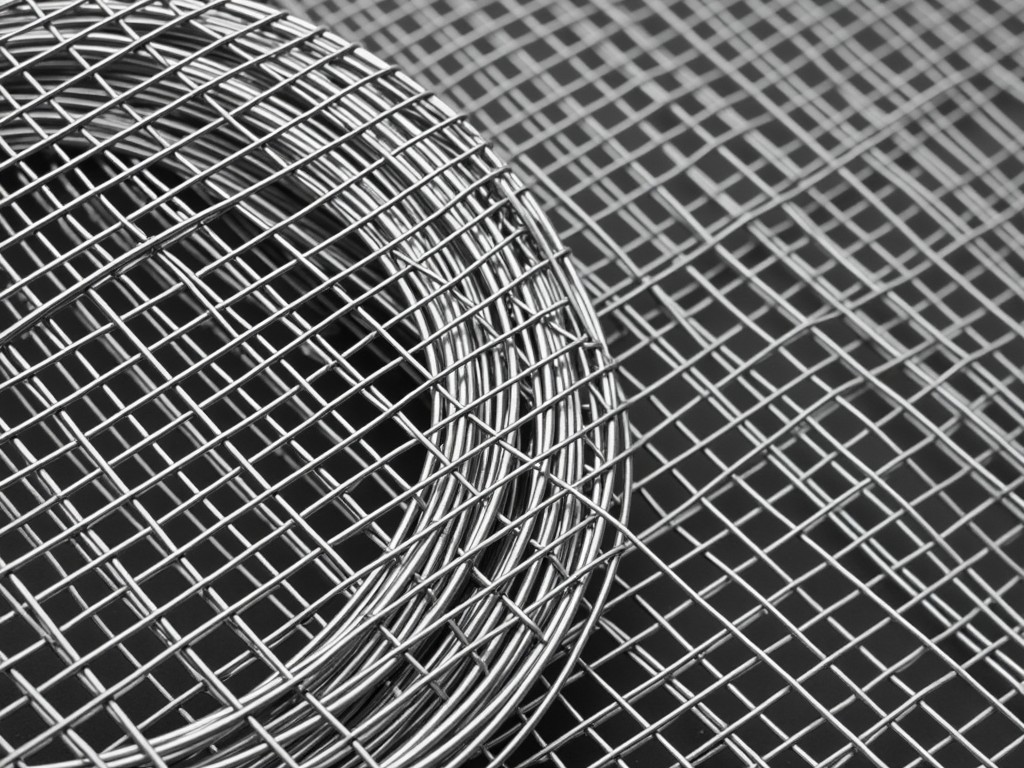
Stainless Steel Welding Wire for MIG Welding
MIG welding with stainless steel wire requires precise control over arc stability, spatter levels, and bead appearance to ensure corrosion-resistant joints in demanding environments. The wire composition directly influences weld integrity, particularly in applications exposed to moisture, chemicals, or elevated temperatures. Selecting the correct wire grade and diameter is essential for achieving consistent penetration, minimizing post-weld cleanup, and maintaining the metallurgical properties of the base material.
Key Material Characteristics
Stainless steel MIG welding wires are typically classified by their alloy composition, with common grades including ER308L, ER309L, and ER316L. ER308L is suited for welding 304 and 304L stainless steels, offering low carbon content to reduce carbide precipitation and intergranular corrosion risk. ER309L is designed for joining dissimilar metals, such as stainless steel to carbon steel, providing adequate ferrite content to prevent cracking. ER316L contains molybdenum, enhancing resistance to pitting and crevice corrosion in chloride-rich environments, making it ideal for marine, chemical, and food processing applications.
Wire diameters commonly range from 0.8 mm to 1.2 mm, with 0.9 mm and 1.0 mm being the most widely used for general fabrication. Smaller diameters allow for finer control in thin-section welding, while larger diameters support higher deposition rates in thicker materials. The wire is manufactured to tight tolerances in diameter and cast, ensuring consistent feeding through MIG torches and minimizing wire feed issues such as birdnesting or burn-back.
Shielding Gas Compatibility
The choice of shielding gas significantly affects weld bead shape, penetration depth, and spatter generation. For stainless steel MIG welding, tri-mix gases containing argon, carbon dioxide, and oxygen (e.g., 90% He / 7.5% Ar / 2.5% CO₂ or 98% Ar / 2% O₂) are often preferred to achieve a stable arc, smooth bead profile, and low spatter. Pure argon can cause poor penetration and excessive bead convexity, while high CO₂ levels increase spatter and may compromise corrosion resistance due to carbon pickup.
Flow rates typically range from 15 to 25 CFM, depending on wire diameter, joint design, and welding position. Proper gas coverage is essential to prevent oxidation and porosity, particularly in drafty environments or when welding complex geometries. Using a gas lens or diffuser can improve laminar flow and protect the weld pool from atmospheric contamination.
Typical Applications
Stainless steel MIG welding wire is extensively used in industries where hygiene, durability, and resistance to environmental degradation are critical. In food and beverage processing, it is employed to weld tanks, piping, and conveyors made from 304 or 316 stainless steel, ensuring smooth, crevice-free joints that comply with sanitary standards. The low carbon content of ER308L and ER316L minimizes sensitization, reducing the risk of corrosion in welded areas exposed to frequent cleaning cycles and acidic substances.
In chemical processing equipment, ER316L wire is selected for welding reactors, heat exchangers, and storage vessels handling corrosive media such as chlorides, acids, and solvents. The molybdenum addition provides enhanced resistance to pitting and stress corrosion cracking, extending service life in aggressive conditions. Similarly, in pharmaceutical manufacturing, the wire supports the fabrication of high-purity equipment where weld integrity directly impacts product safety and regulatory compliance.
Architectural and structural applications include handrails, balustrades, and exterior façades exposed to weathering and salt spray. ER309L is frequently used to connect stainless steel components to carbon steel structural supports, providing a crack-resistant transition zone. The wire’s ability to produce visually acceptable beads with minimal post-weld finishing reduces labor costs in visible installations.
Technical Specification Table
| Property | Typical Value / Range |
|---|---|
| Wire Diameter | 0.8 mm – 1.2 mm (custom sizes available) |
| Alloy Grades | ER308L, ER309L, ER316L (others per AWS A5.9) |
| Shielding Gas | Ar/O₂, Ar/CO₂/O₂ tri-mix (98% Ar/2% O₂ common) |
| Typical Voltage Range | 20–28 V (depends on diameter and gas) |
| Typical Amperage Range | 150–250 A (for 1.0 mm wire) |
| Spatter Level | Low to moderate (with proper gas mix) |
| Post-Weld Cleaning | Minimal; passivation may be required in corrosive environments |
Quality and Consistency Considerations
Manufacturing stainless steel MIG wire involves strict control over chemical composition, surface cleanliness, and helical cast. Surface contaminants such as drawing lubricants or oxides can lead to porosity or poor wetting if not fully removed during processing. Reputable manufacturers employ inline cleaning, drying, and spooling under controlled humidity to prevent moisture absorption, which can cause hydrogen-induced porosity in the weld.
Cast and helix refer to the wire’s natural curvature when expelled from the torch. Excessive cast can cause erratic feeding and uneven bead placement, while insufficient helix may lead to birdnesting at the drive roll. Optimal values are engineered to match standard MIG torch geometries and feed mechanisms, ensuring smooth operation across different welding positions and wire feed speeds.
Diameter tolerance is typically held within ±0.02 mm to maintain stable arc characteristics and consistent deposition rate. Variations beyond this range can cause fluctuations in amperage at a fixed voltage setting, leading to inconsistent penetration or overheating of the contact tip. Spools are wound with uniform tension to prevent over-tightening or slack, which can deform the wire or cause snags during feeding.
Packaging and Handling
Wire is commonly supplied on spools weighing 5 kg, 15 kg, or 20 kg, depending on application scale and handling preferences. Smaller spools facilitate manual replacement in maintenance or repair operations, while larger spools reduce changeover time in high-volume production lines. Spools are typically sealed in moisture-barrier bags with desiccant to prevent oxidation and hydrogen pickup during storage.
Storage conditions should maintain relative humidity below 50% and temperature stable to avoid condensation on the wire surface. Exposure to moisture or contaminants can compromise weld quality, particularly in critical applications where porosity or cracking is unacceptable. First-in, first-out inventory practices help ensure that older stock is used before degradation occurs.
Handling should avoid dropping spools or bending the wire, which can deform the cast and helix or create weak points. Using proper spool adapters and tensioners on the welding feeder ensures consistent payoff resistance and prevents backlash or overrun. Regular inspection of drive rolls and guide tubes helps maintain smooth wire delivery and prolongs consumable life.
Ordering and Customization
Stainless steel MIG welding wire can be ordered in standard grades and diameters or customized to meet specific project requirements. Custom options include alternative alloy compositions (e.g., ER347 for elevated temperature resistance), special surface treatments for improved feedability, or tailored spool dimensions for integration with automated welding systems. Technical support is available to assist with selecting the appropriate wire based on base material, joint design, welding position, and environmental exposure.
Minimum order quantities vary by specification but are often flexible for standard grades. Lead times depend on material availability and production scheduling, with standard items typically available from stock. For specialized alloys or non-standard packaging, customers should consult with sales or engineering teams to confirm feasibility and timelines.
To request a quotation or discuss application-specific needs, provide details such as the base metal grade, thickness, welding process parameters, shielding gas used, and any relevant industry standards (e.g., ASME, ISO, AWS). This information enables accurate recommendation and ensures the selected wire meets performance, safety, and regulatory expectations.
Contact our technical team to discuss your requirements or request a sample for evaluation.

More Products

Send Inquiry
If you are interested in our products, leave your information here and we will be in touch shortly.