Stainless Steel Wire Supplier Oh
When sourcing stainless steel wire for industrial applications, technical specifications and material traceability are critical factors. Buyers in manufacturing, construction, and equipment

Stainless Steel Wire Supplier Ohio
When sourcing stainless steel wire for industrial applications, technical specifications and material traceability are critical factors. Buyers in manufacturing, construction, and equipment fabrication require precise data on alloy composition, mechanical properties, and surface finish to ensure performance and compliance. This page outlines the key considerations for selecting a stainless steel wire supplier in Ohio, focusing on measurable engineering characteristics rather than subjective claims.
Material Grades and Composition Standards
Stainless steel wire is available in multiple grades, each defined by its chromium, nickel, and molybdenum content, which directly influence corrosion resistance and mechanical strength. Commonly supplied grades include 304 (18% Cr, 8% Ni), 316 (16% Cr, 10% Ni, 2% Mo), and 430 (16% Cr, <0.75% Ni). Grade 304 offers general-purpose corrosion resistance suitable for indoor and mildly exposed environments, while 316 provides enhanced resistance to chlorides and acidic conditions, making it preferable for marine or chemical processing applications. Grade 430, a ferritic stainless steel, is magnetic and used where cost sensitivity and moderate corrosion resistance are priorities.
Mechanical Properties and Tolerance Control
The tensile strength, yield strength, and elongation of stainless steel wire vary significantly based on grade, cold work level, and diameter. For example, 304 stainless steel wire in the annealed condition typically exhibits a tensile strength of 500–700 MPa, while full-hard temper can reach 1,500–2,000 MPa. Elongation at break decreases with increased cold working, affecting formability in bending or coiling operations. Tolerance control is critical for applications such as springs, fasteners, or filtration media; standard diameter tolerances range from ±0.01 mm for fine wire (<0.5 mm) to ±0.05 mm for larger diameters (>3.0 mm), depending on drawing precision and post-processing.
Surface Finish and Cleanliness Requirements
Surface finish impacts both corrosion resistance and functional performance in applications like medical devices, food processing equipment, or architectural components. Common finishes include bright drawn (smooth, reflective), matte (non-reflective, uniform), and electropolished (micro-smooth, enhanced passivation). Electropolishing removes surface impurities and micro-defects, improving resistance to pitting and stress corrosion cracking. Cleanliness levels are often specified via particulate count or residual oil/grease limits, particularly for vacuum, semiconductor, or hygienic industries where contamination must be minimized.
Typical Applications in Industrial Sectors
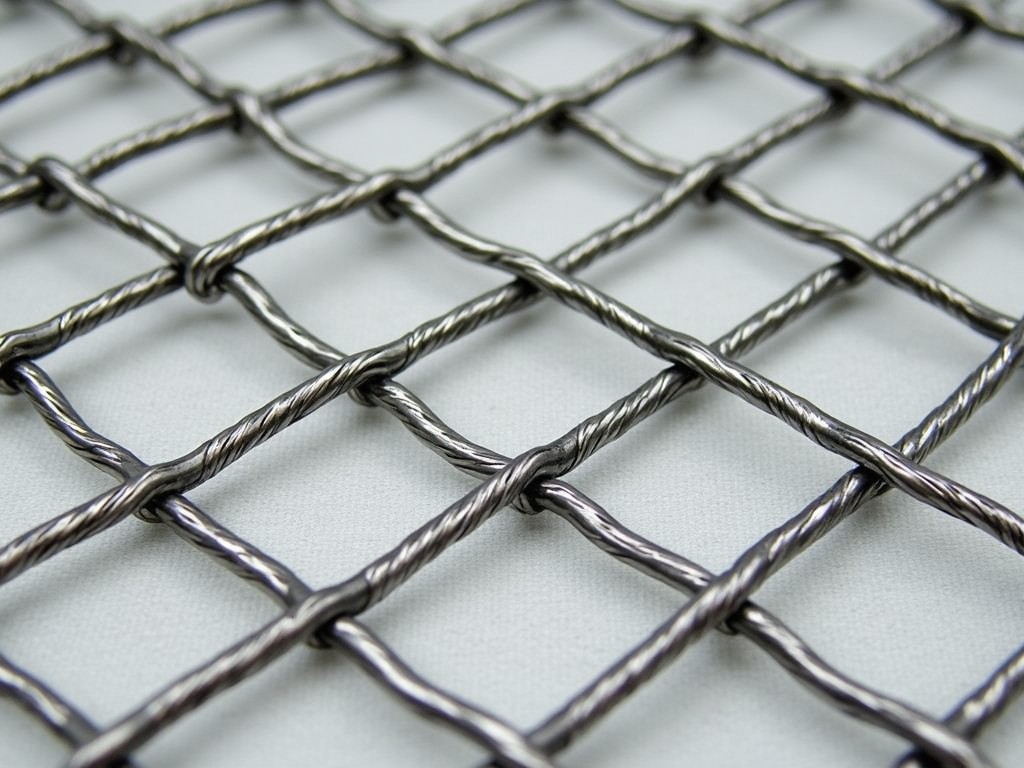
Stainless steel wire serves distinct functions across industries based on its property profile. In automotive manufacturing, it is used for seat springs, hose clamps, and sensor components where fatigue resistance and corrosion protection are essential. In construction, wire forms reinforcement mesh for concrete, safety cables, and architectural balustrades requiring long-term exposure resistance. In industrial equipment, it enables filtration baskets, conveyor belts, and wire guards where hygiene, durability, and thermal stability are required. The selection of grade and temper must align with the specific environmental and mechanical demands of each application.
Customization Options and Value-Added Processing
Suppliers offer various value-added services to meet specific engineering requirements. These include precision cutting to length, spooling on custom-designed reels or drums, heat treatment for stress relief or sensitization prevention, and coating application (e.g., nylon, PTFE) for electrical insulation or wear reduction. Secondary operations such as twisting, braiding, or welding preparation are also available. Custom packaging — such as vacuum-sealed bags for contamination control or corrosion-inhibiting wraps for overseas shipment — can be arranged based on project logistics and storage conditions.
Quality Control and Traceability Protocols
Reliable supply chains depend on documented quality control and material traceability. Relevant standards include ASTM A313 for stainless steel spring wire, ASTM A493 for cold-finished bar and wire for forging, and EN 10088-3 for technical delivery conditions. Traceability typically involves heat number tracking, mill test reports (MTRs), and third-party certification upon request. Inspection protocols may verify diameter consistency, tensile properties, surface defects (via eddy current or visual inspection), and chemical composition (using OES or XRF). Buyers should confirm whether the supplier provides conformance documentation aligned with their industry’s regulatory requirements.
| Parameter | Typical Range or Specification | Notes |
|---|---|---|
| Available Grades | 304, 316, 316L, 430, 17-7PH | Other grades available upon request |
| Diameter Range | 0.10 mm to 12.00 mm | Custom diameters possible with tooling |
| Tensile Strength (304 Annealed) | 500–700 MPa | Varies with cold work level |
| Standard Tolerance (±) | 0.01–0.05 mm | Dependent on diameter and process |
| Surface Finishes | Bright, Matte, Electropolished | Custom finishes available |
| Packaging Options | Spools, Coils, Straight Cut, Vacuum Sealed | Tailored to handling and storage needs |
Selecting a stainless steel wire supplier involves evaluating not only product specifications but also the supplier’s ability to provide consistent quality, technical support, and logistical flexibility. Buyers should request material certifications, discuss tolerance capabilities for critical dimensions, and confirm packaging suitability for their production environment. Direct engagement with technical representatives enables clarification of processing limitations, lead times, and compliance with industry-specific standards such as ASME, FDA, or ISO 13485 where applicable.
For detailed inquiries regarding grade selection, mechanical property requirements, or custom processing options, contact our technical team to discuss your project specifications. Provide details on intended application, environmental exposure, required dimensions, and any required certifications to receive accurate guidance and quotation.
More Products

Send Inquiry
If you are interested in our products, leave your information here and we will be in touch shortly.