Straight Spring Steel Wire Suppliers
Selecting a supplier for straight spring steel wire requires evaluating technical specifications, manufacturing consistency, and material traceability. Industrial buyers prioritize dimensional
Straight Spring Steel Wire Suppliers
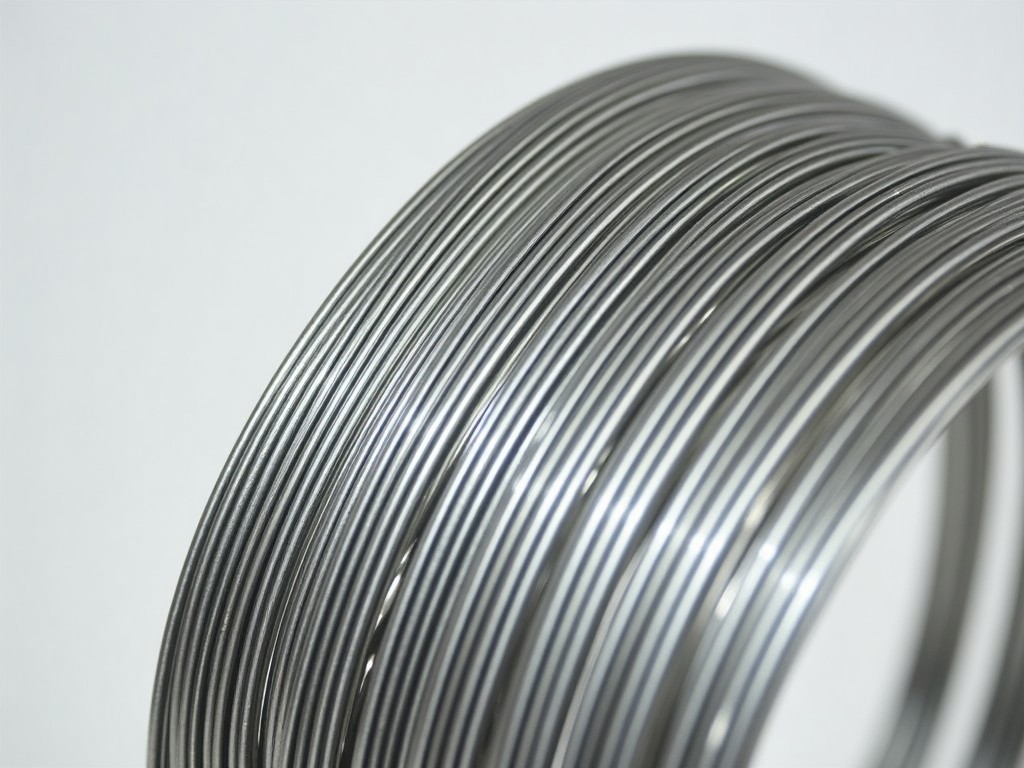
Selecting a supplier for straight spring steel wire requires evaluating technical specifications, manufacturing consistency, and material traceability. Industrial buyers prioritize dimensional accuracy, tensile strength uniformity, and surface finish quality to ensure reliable performance in dynamic load applications. This page details the engineering considerations that define supplier capability in this material category.
Material Composition and Mechanical Properties
Straight spring steel wire is typically produced from high-carbon steels such as ASTM A228 (Music Wire), A229 (Oil Tempered MB), or A232 (Hard Drawn). Carbon content ranges from 0.60% to 0.80%, with manganese between 0.30% and 0.90% and silicon 0.10 0.35%. These elements enable through-hardening and tempering to achieve tensile strengths between 1800 and 2800 MPa, depending on diameter and grade. The wire must exhibit consistent elastic limit and fatigue resistance for spring applications.
Diameter tolerances follow standards like EN 10270-1 or JIS G3522, with common ranges from 0.20 mm to 12.50 mm. Tolerance classes (e.g., Class T for precision springs) specify deviations of ±0.005 mm to ±0.06 mm based on size. Surface defects such as decarburization, seams, or pits must be limited to depths that do not compromise fatigue life—typically less than 2.5% of wire diameter for critical applications.
Manufacturing Process Controls
Supplier capability begins with wire drawing precision. Dies must be maintained to micron-level tolerances to avoid ovality or surface tearing. Lubrication systems and drawing speed are controlled to prevent thermal damage that could alter microstructure. Intermediate anneals between draws require strict temperature and time monitoring to ensure spheroidized pearlite structure before final cold working.
Final properties are set through patenting (heating to 850 900°C followed by air cooling) and lead patenting for finer microstructures. Tempering after drawing relieves internal stresses while preserving tensile strength. Suppliers should provide mill test reports showing actual tensile strength, elongation, and reduction of area for each batch, not just nominal values.
Quality Inspection and Testing
Reliable suppliers implement multi-stage inspection. Diameter is checked via laser micrometers at 100% frequency or statistical process control with SPC charts. Tensile testing follows ASTM A370 or ISO 6892-1 on samples from every coil. Surface quality is assessed visually and with eddy current or magnetic flux leakage systems to detect subsurface flaws.
Decarburization depth is measured microscopically on cross-sections, with limits defined per application—e.g., max 0.01 mm for valve springs. Bend tests (ASTM A231) verify ductility and coating adhesion if applicable. Suppliers should maintain calibration records for all testing equipment and participate in proficiency testing programs.
Applications and Performance Requirements
Straight spring steel wire is used in mechanisms where repeated elastic deformation occurs without permanent set. In automotive suspensions, wire must endure 10^5 to 10^6 cycles at stresses up to 45% of tensile strength. Valve springs in internal combustion engines operate at temperatures exceeding 300°C, requiring stress-relieved grades and resistance to relaxation.
Industrial clutches, brakes, and agricultural machinery rely on wire with consistent torsional stiffness. In electrical contacts, spring wire provides stable force over thousands of operations. Medical devices such as surgical instruments demand wire with biocompatible surface treatments and traceable lot control. Each application imposes unique combinations of stress, temperature, corrosion exposure, and cycle life.
Supplier Evaluation Criteria
Technical buyers assess suppliers based on process transparency, not just price. Key factors include: ability to provide chemical analysis ( ladle and product ), hardness hardenability curves, and decarburization reports. Experience in your specific wire diameter range and tensile strength class reduces development risk.
Lead time consistency matters more than short fastest delivery. Suppliers with dedicated spring steel lines offer better scheduling reliability than those sharing equipment with other wire types. Minimum order quantities should align with your production cadence—some suppliers offer spool weights from 5 kg to 500 kg+.
Ask about material change notification procedures. A supplier who modifies drawing lubricants or heat treatment parameters without customer notification risks introducing field failures. ISO 9001 certification is baseline; IATF 16949 or AS9100 may be required for automotive or aerospace supply chains.
Typical Specifications Table
| Property | Typical Range | Standard Reference |
|---|---|---|
| Tensile Strength | 1800 2800 MPa | ASTM A228 |
| Diameter Tolerance | ±0.005 to ±0.06 mm | EN 10270-1 |
| Decarburization Depth | < 2.5% of diameter | Application dependent |
| Surface Roughness (Ra) | 0.2 0.8 µm | ISO 4287 |
| Elongation at Break | < 5% (typical for spring temper) | ASTM A370 |
Customization and Value-Added Services
Suppliers may offer value-added processing beyond bare wire. These include: stress relieving at 350 450°C to reduce residual stresses, patenting to uniform microstructure, or coating with zinc, phosphate, or polymer for corrosion protection. Some provide leveling or straightening to specific camber limits (e.g., < 1 mm/m).
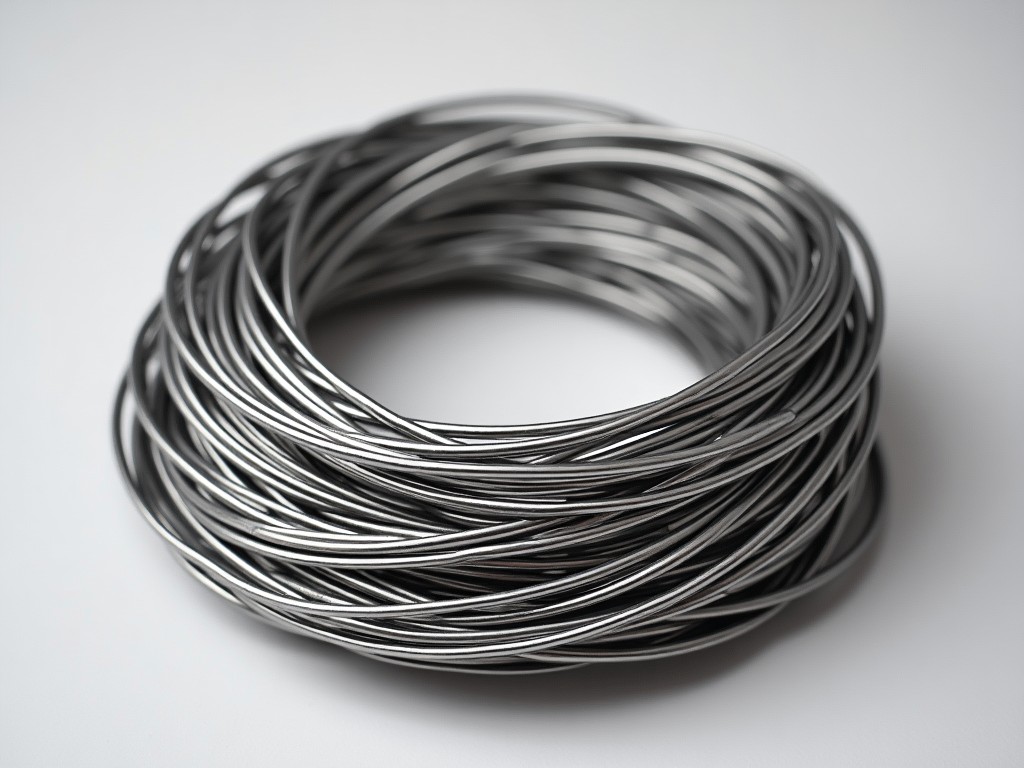
Packaging options affect handling and storage. Wire can be supplied on coils, straight cut lengths, or welded bundles. Inner packaging may include vapor corrosion inhibitors (VCI) or desiccant for humidity-sensitive applications. Labeling should include heat number, diameter, tensile strength, and date of manufacture for traceability.
Technical support during material selection is a differentiator. Suppliers who provide finite element analysis (FEA) input data, fatigue curves, or relaxation characteristics help reduce design cycle time. Request sample lengths for in-house testing before committing to large orders.
More Products
Send Inquiry
If you are interested in our products, leave your information here and we will be in touch shortly.