Tie Wire Size For Steel Reinforcement
Selecting the correct tie wire size for steel reinforcement is a critical step in ensuring the structural integrity and constructability of reinforced concrete elements. Tie wire secures rebar
Tie Wire Size for Steel Reinforcement
Selecting the correct tie wire size for steel reinforcement is a critical step in ensuring the structural integrity and constructability of reinforced concrete elements. Tie wire secures rebar intersections during placement and concrete pouring, maintaining the designed reinforcement layout until the concrete gains sufficient strength. An undersized wire may fail under handling or vibration, leading to bar displacement, while an oversized wire increases material cost and can hinder concrete flow around the reinforcement cage. The optimal size balances tensile strength, flexibility, and ease of tying, directly impacting labor efficiency and long-term durability of the structure.
Tie wire for reinforcement is typically made from low-carbon steel, annealed to improve ductility and reduce springback after twisting. The wire diameter is specified in gauge or millimeters, with common sizes ranging from 1.2 mm to 2.0 mm (approximately 18 to 12 gauge). Annealing reduces tensile strength to approximately 300–400 MPa, allowing the wire to be tightly twisted without fracturing, while still providing sufficient holding force to resist movement during vibration and concrete flow. The coating—often a light oil or phosphate layer—minimizes rust during short-term storage and improves handling.
The most frequently used tie wire size for general reinforced concrete construction is 1.6 mm (14 gauge), offering a practical balance between strength and manipulability. This size provides adequate tensile resistance to hold #4 through #11 rebar (12 mm to 35 mm diameter) securely in vertical walls, columns, and slabs where moderate congestion exists. For lighter applications such as residential slabs or mesh reinforcement, 1.4 mm (16 gauge) wire is often sufficient, reducing material weight and easing manual tying. In heavily congested zones like beam-column joints or seismic regions, 1.8–2.0 mm (12–11 gauge) wire may be specified to resist higher lateral forces during vibration.
Environmental exposure and project duration influence wire selection beyond mechanical requirements. In environments with high chloride exposure or extended storage before pouring, epoxy-coated or stainless steel tie wire may be required to prevent corrosion-induced staining or premature failure. While uncoated annealed wire is adequate for most interior or protected applications, external structures such as bridges, marine elements, or parking garages benefit from coated variants despite higher cost. The coating adds minimal thickness but significantly extends service life in corrosive conditions, aligning with durability design principles.
| Rebar Size Range | Recommended Tie Wire Diameter | Typical Application |
|---|---|---|
| #3 to #5 (10–16 mm) | 1.4 mm (16 gauge) | Residential slabs, footings, light walls |
| #6 to #9 (19–29 mm) | 1.6 mm (14 gauge) | Columns, beams, walls, elevated slabs |
| #10 and above (32 mm+) | 1.8–2.0 mm (12–11 gauge) | Heavy columns, transfer girders, seismic zones |
| All sizes (epoxy/stainless required) | 1.6 mm coated (epoxy/SS) | Bridges, marine structures, parking decks |
Installation practice affects the effective performance of tie wire regardless of size. Proper tying technique—typically a double-wrap snap tie or figure-eight configuration—ensures the wire develops full tensile capacity without slippage. Over-twisting can cause wire fracture, especially with smaller diameters, while under-twisting allows movement under vibration. Consistency in tying method across the reinforcement crew reduces variability in cage stability. For prefabricated cages or automated welding, tie wire is often supplemented or replaced by spot welding, but manual tying remains dominant in field-placed reinforcement due to flexibility and adaptability to complex geometries.
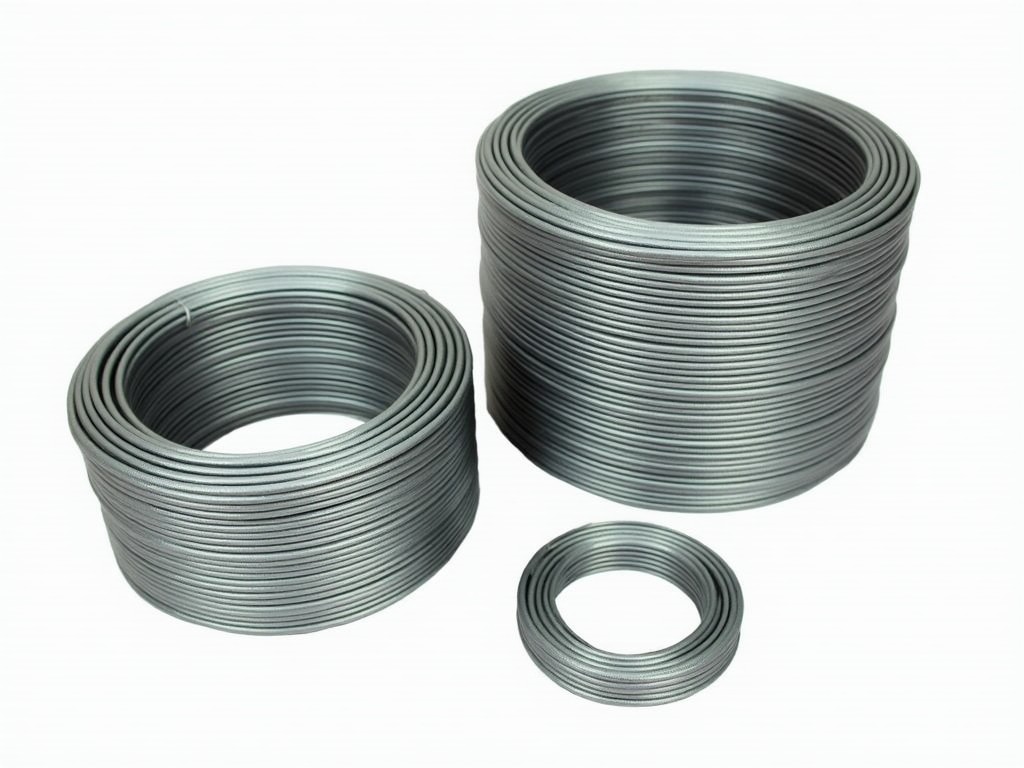
Procurement considerations include wire tensile tolerance, elongation, and coating uniformity. Reputable suppliers provide mill test reports confirming chemical composition (typically <0.10% carbon, <0.04% phosphorus, <0.05% sulfur) and mechanical properties within ANSI/ASTM A641 or equivalent standards. Batch-to-batch consistency in diameter and tensile strength is essential for predictable performance, particularly in large-volume projects. Packaging—usually in 25 kg coils or spools—should prevent tangling and protect against moisture during transport and storage. Buyers should verify shelf life and storage requirements, especially for coated variants, to avoid degradation before use.
Choosing the appropriate tie wire size is not merely a specification detail but a risk mitigation strategy that directly influences construction quality, schedule adherence, and long-term structural behavior. By aligning wire diameter with rebar size, congestion level, environmental exposure, and tying method, engineers and contractors reduce the likelihood of reinforcement displacement, concrete voids, or corrosion initiation. This technical approach ensures that the reinforcement cage performs as designed from placement through service life, supporting both safety and durability objectives without unnecessary material expenditure.

More Products

Send Inquiry
If you are interested in our products, leave your information here and we will be in touch shortly.