Buy Rib Lath Stainless Steel Sheet
Rib lath stainless steel sheet is a structural reinforcement material designed for plaster and stucco applications where corrosion resistance and mechanical keying are critical. It combines the
Buy Rib Lath Stainless Steel Sheet
Rib lath stainless steel sheet is a structural reinforcement material designed for plaster and stucco applications where corrosion resistance and mechanical keying are critical. It combines the dimensional stability of formed metal lath with the environmental durability of stainless steel alloys, making it suitable for both interior and exterior wet-area installations. Unlike carbon steel alternatives, it does not require protective coatings that can degrade over time, eliminating maintenance risks associated with coating failure in humid or chemically aggressive environments.
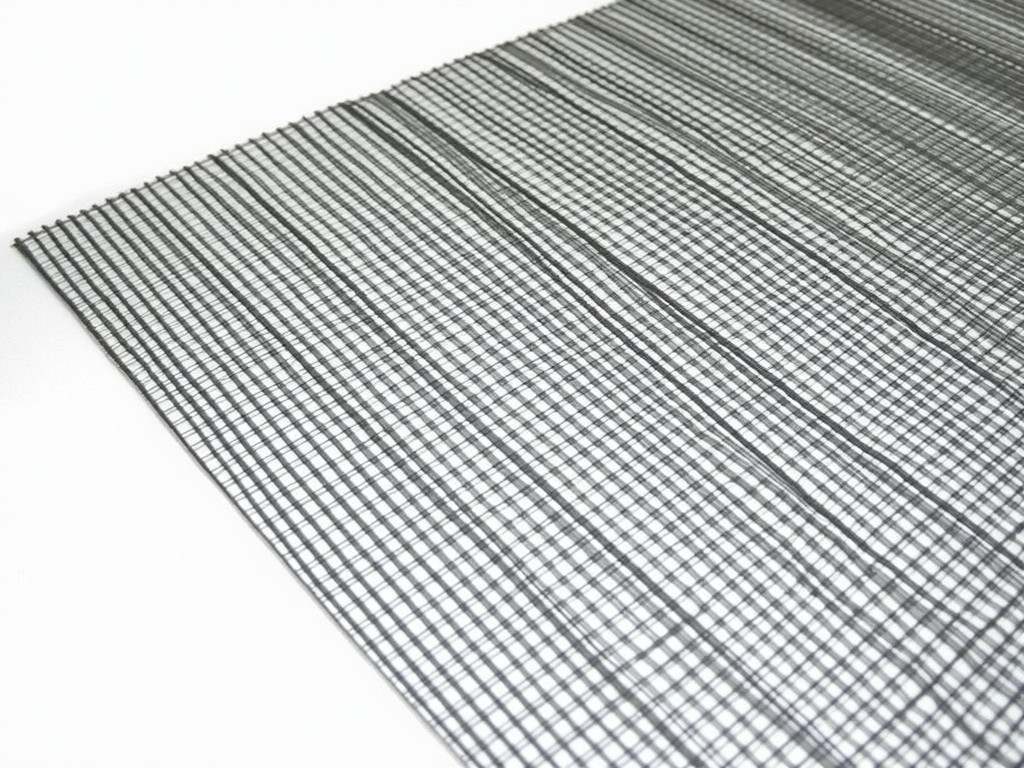
The rib pattern—typically consisting of parallel protrusions spaced at 1-inch or 2-inch intervals—creates mechanical interlock with cementitious materials, significantly improving tensile and shear bond strength compared to flat lath or wire mesh. This geometry also enhances stiffness, reducing sag during installation and minimizing cracking in the finished plaster layer. Stainless steel grades commonly used include 304 and 316, selected based on exposure to chlorides, moisture, or industrial pollutants.
Material Composition and Corrosion Resistance
Stainless steel rib lath derives its corrosion resistance from a minimum chromium content of 10.5%, which forms a passive oxide layer that self-repairs when damaged. Grade 304 contains approximately 18% chromium and 8% nickel, offering adequate protection in most indoor and sheltered outdoor environments. Grade 316 adds 2-3% molybdenum, significantly increasing resistance to pitting and crevice corrosion in chloride-rich settings such as coastal zones, swimming pools, or industrial washdown areas.
The manufacturing process—roll forming from annealed stainless steel coil—preserves the alloy’s corrosion-resistant microstructure without introducing detrimental stresses or contaminants. Surface finish is typically mill finish (2B or BA), which maintains the inherent passivation layer. No additional coatings, paints, or galvanic treatments are applied, as these could compromise long-term performance or create differential aeration cells that accelerate localized corrosion.
Mechanical Properties and Structural Performance
Rib lath is engineered to provide optimal reinforcement without excessive weight or stiffness. Typical thickness ranges from 0.010" to 0.018" (0.25 mm to 0.46 mm), balancing flexibility for conforming to substrates with sufficient rigidity to resist deformation under wet plaster load. The rib height—usually between 0.020" and 0.040"—creates a defined mechanical key that increases pull-out resistance by 40-60% compared to flat lath of the same gauge.
Tensile strength of the base stainless steel typically exceeds 75 ksi (517 MPa) for 304 and 80 ksi (550 MPa) for 316 in the annealed condition, though the formed rib structure enhances directional stiffness. Yield strength allows the lath to withstand handling and installation stresses without permanent deformation. When embedded in cementitious mortar, the composite system achieves flexural strength improvements of 25-35% over unreinforced plaster, reducing crack propagation under thermal or structural movement.
Standard Dimensions and Form Factors
Rib lath stainless steel sheet is supplied in standard roll widths to accommodate common stud and joist spacing in commercial and residential construction. The most prevalent width is 27 inches, designed to cover three 9-inch stud bays with minimal overlap. Alternative widths of 16 inches and 48 inches are available for specialized applications such as narrow shaft walls or large-panel soffit installations.
Lengths are typically supplied in 50-foot or 100-foot rolls to minimize seams and reduce installation time. Thickness options follow industry standards: 0.010" (26 gauge), 0.012" (24 gauge), 0.015" (22 gauge), and 0.018" (20 gauge). Rib spacing is standardized at 1 inch on center for general plaster applications, though 2-inch spacing is available for thicker base coats or fire-rated assemblies where greater embedment depth is required.
Applications in Wet and Exposed Environments
The primary advantage of stainless steel rib lath over galvanized or carbon steel alternatives lies in its suitability for environments where moisture, chemicals, or temperature cycling would degrade conventional coatings. In shower enclosures, steam rooms, and pool surrounds, constant exposure to water and cleaning agents can cause zinc coatings to deteriorate within 2-5 years, leading to rust staining and loss of bond. Stainless steel eliminates this failure mode entirely.
Exterior applications such as architectural soffits, balcony undersides, and facade detailing benefit from resistance to atmospheric pollutants and salt spray. In food processing plants, pharmaceutical facilities, and chemical plants, where washdown procedures involve alkaline or acidic cleaners, the inert nature of austenitic stainless steel prevents contamination and maintains hygiene standards. Fire-rated assemblies also benefit, as stainless steel retains strength at elevated temperatures better than coated steels that may experience coating degradation or spalling.
Installation Considerations and Best Practices
Proper installation ensures optimal performance and longevity. The rib lath should be applied with the ribs facing outward, away from the substrate, to maximize mechanical interlock with the plaster layer. Fastening is typically achieved using stainless steel staples or screws spaced at 6-inch intervals along studs or joists, with edges lapped minimum 1 inch and secured to prevent movement. Over-fastening should be avoided, as it can dimple the lath and reduce embedment depth.
Cutting is best performed with aviation snips or power shears designed for stainless steel to avoid work hardening or burr formation. When cutting lengths, maintain rib continuity to preserve structural integrity. In corners and penetrations, the lath should be folded or cut to maintain lap coverage without creating stress points. Compatibility with dissimilar metals is important—direct contact with carbon steel fasteners in wet environments can lead to galvanic corrosion; therefore, stainless steel fasteners are required.
Quality Control and Material Traceability
Manufacturing quality begins with certified raw coil material, accompanied by mill test reports (MTRs) verifying chemical composition and mechanical properties. Incoming material is inspected for thickness uniformity, width tolerance, and surface defects such as scratches, pits, or roll marks that could initiate corrosion. Roll forming tools are maintained to ensure consistent rib geometry, with periodic checks on rib height, spacing, and profile accuracy using calibrated gauges.
Final inspection includes verification of roll length, weight, and packaging integrity. Each roll is labeled with grade, gauge, dimensions, and heat number for traceability. While no universal certification exists specifically for rib lath, compliance with ASTM C847 (Standard Specification for Metal Lath) and relevant stainless steel specifications (ASTM A240 for plate/sheet) is verified internally. For projects requiring documentation, material certificates and test reports are available upon request.
Comparison: Stainless Steel vs. Galvanized Rib Lath
| Property | Stainless Steel (304/316) | Galvanized Steel |
|---|---|---|
| Corrosion Resistance | Excellent in wet, chloride, and chemical environments; no coating to degrade | Good initially; zinc coating degrades over time in wet or polluted conditions |
| Service Life | 20+ years in aggressive environments | 5-15 years depending on exposure; prone to rust staining |
| Initial Cost | Higher material cost | Lower material cost |
| Long-Term Value | Lower lifecycle cost due to zero maintenance and no repainting | Higher lifecycle cost due to potential repairs, recoating, or replacement |
| Hygiene Suitability | Preferred for food, pharma, and cleanroom applications | Not recommended; potential for zinc leaching and corrosion product contamination |
While galvanized rib lath offers lower upfront cost, its performance diminishes in environments where moisture and chemicals are present. Stainless steel provides consistent, predictable performance over decades, making it the preferred choice for projects where durability, hygiene, and lifecycle cost are priorities. The decision should be based on exposure conditions, maintenance accessibility, and total cost of ownership rather than initial price alone.
Customization Options
While standard configurations meet most project requirements, certain applications benefit from tailored dimensions or material grades. Custom widths can be produced to match specific module layouts, reducing waste and labor. Non-standard rib spacings—such as 1.5 inches or variable patterns—are available for specialized plaster thicknesses or acoustic profiles. Material grade 316L is offered for enhanced weldability and resistance to sensitization in high-temperature or corrosive environments.
Surface finishes beyond mill finish, such as brushed or polished, are available for aesthetic applications where the lath may be partially exposed. Edge treatments including hemmed or rounded edges improve safety during handling. Rolls can be slit to narrower widths or cut to specific lengths to minimize field cutting. All customizations are subject to minimum order quantities and lead time adjustments based on raw material availability and production scheduling.
Packaging and Handling
Rib lath stainless steel sheet is packaged to prevent damage during transit and storage. Rolls are wound onto rigid cores with internal diameter sufficient to prevent deformation, then wrapped in polyethylene film to protect against moisture and surface contamination. Outer packaging consists of corrugated cardboard or kraft paper with plastic strapping for unitization. Each package is labeled with product identification, dimensions, grade, and handling instructions.
Storage should occur in a dry, covered area away from direct ground contact to prevent moisture absorption and potential staining. Rolls should be stored vertically when possible to avoid sagging. Handling requires gloves to prevent surface contamination from oils or salts on skin. Lifting equipment should be used for heavy rolls to prevent worker injury and material damage. On-site, rolls should be stored flat or suspended to maintain shape until installation.
Environmental and Sustainability Factors
Stainless steel is inherently sustainable due to its high recyclability and long service life. At end of life, rib lath can be collected and recycled into new stainless steel without degradation of properties, supporting circular economy principles. The absence of coatings eliminates volatile organic compound (VOC) emissions during use and reduces hazardous waste streams during demolition or renovation. Manufacturing processes emphasize energy efficiency and scrap minimization, with offcuts returned to remelt.
The long service life reduces the frequency of replacement, lowering the environmental burden associated with production, transportation, and disposal. For green building certifications such as LEED, the use of recycled content stainless steel and regional sourcing can contribute to materials credits. Life cycle assessment (LCA) studies consistently show that stainless steel reinforcement outperforms coated alternatives in total environmental impact over a 50-year building lifespan.


More Products

Send Inquiry
If you are interested in our products, leave your information here and we will be in touch shortly.