China Perforated Sheet Metal 4X8
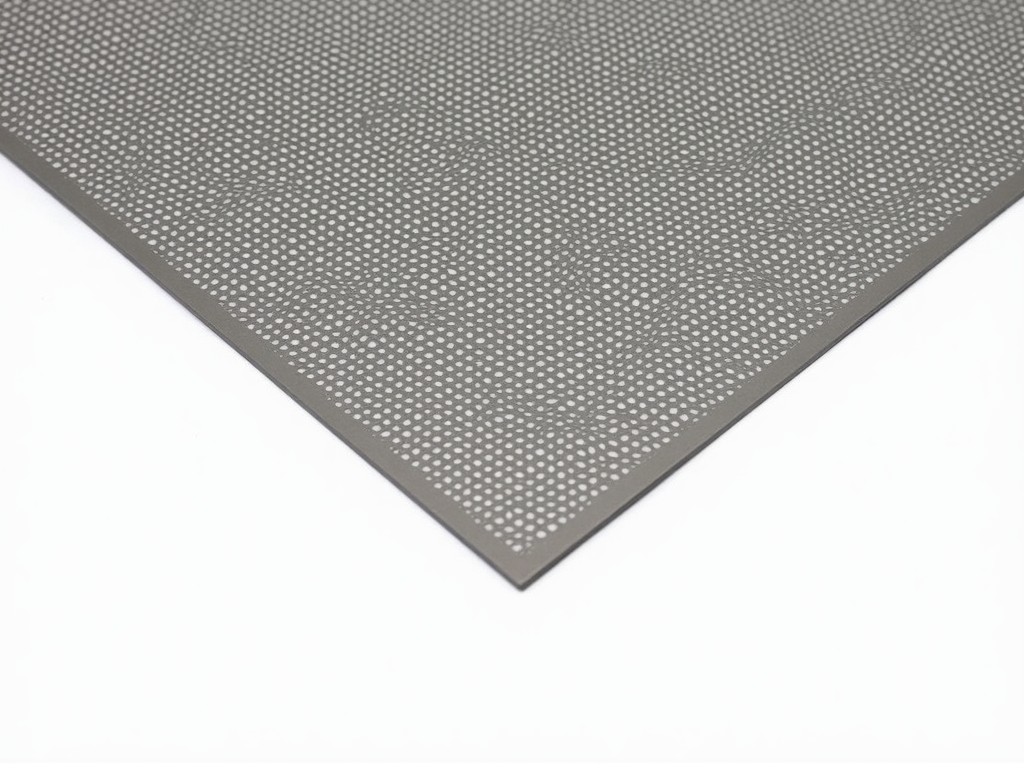
Perforated sheet metal in 4x8 foot dimensions is a standardized panel size widely used in industrial and architectural applications across manufacturing, construction, and filtration sectors. The 4x8
China Perforated Sheet Metal 4x8
Perforated sheet metal in 4x8 foot dimensions is a standardized panel size widely used in industrial and architectural applications across manufacturing, construction, and filtration sectors. The 4x8 format refers to a sheet measuring 4 feet in width and 8 feet in length, aligning with common material handling, fabrication equipment, and building module standards in North America and global markets. This size optimizes material yield during cutting and minimizes waste in downstream processes such as stamping, bending, or welding. Chinese manufacturers produce these panels to meet international dimensional tolerances, enabling seamless integration into supply chains for OEMs and fabricators.
Perforation patterns are defined by hole shape, size, spacing, and open area percentage—critical factors affecting airflow, light transmission, sound attenuation, and structural performance. Common patterns include round, square, slotted, and hexagonal arrangements, each selected based on functional requirements rather than aesthetic preference alone. For example, 60-degree staggered round hole patterns offer high strength-to-open-area ratios ideal for ventilation guards, while straight-line layouts facilitate precise alignment in screening or filtration systems. The open area, calculated as the percentage of hole surface relative to total panel area, directly influences pressure drop in HVAC applications or visibility in security barriers.
Material selection significantly impacts corrosion resistance, strength, formability, and cost. Carbon steel (e.g., Q235, A36) provides high tensile strength and cost-effectiveness for indoor or painted applications but requires surface treatment to prevent rust. Stainless steel grades 304 and 316 offer superior oxidation resistance in humid, chemical, or outdoor environments, with 316 preferred for marine or chloride-exposed settings. Aluminum alloys such as 3003 and 5052 deliver lightweight solutions with inherent corrosion resistance, suitable for ceiling panels or decorative screens where weight reduction is critical. Thickness options typically range from 0.5mm to 6.0mm, with thinner gauges used for decorative or low-load applications and thicker sections for structural supports or machine guards.
Manufacturing processes involve precision CNC punching or CNC punching presses equipped with specialized tooling to ensure hole consistency and minimal burr formation. Tool wear, material thickness, and punching speed directly affect hole edge quality and dimensional accuracy—factors monitored through in-process gauging and post-production sampling. Secondary operations such as deburring, leveling, or edge trimming may be performed to meet flatness or safety requirements. Surface treatments like galvanizing, powder coating, or anodizing are applied post-perforation to enhance durability without compromising hole integrity, though masking or selective coating may be needed to preserve functional surfaces.
| Material | Typical Thickness Range (mm) | Corrosion Resistance | Common Applications |
|---|---|---|---|
| Carbon Steel (Q235/A36) | 0.8 – 3.0 | Requires coating; prone to rust | Machine guards, industrial shelving, temporary barriers |
| Stainless Steel 304 | 0.5 – 2.5 | Good for indoor/outdoor; resists oxidation | Food processing equipment, HVAC grilles, architectural facades |
| Stainless Steel 316 | 0.5 – 2.0 | Excellent for marine/chemical exposure | Marine hardware, chemical plant screens, coastal cladding |
| Aluminum 3003/5052 | 0.5 – 4.0 | Inherent oxide layer; excellent weatherability | Ceiling panels, signage, lightweight screens, transportation interiors |
Customization extends beyond material and thickness to include hole diameter, pitch (center-to-center distance), staggered or straight alignment, and edge treatments such as sheared, deburred, or rounded finishes. Open area percentages typically range from 15% to over 60%, depending on hole size and spacing—higher open area improves airflow but reduces structural rigidity, requiring engineering validation for load-bearing applications. Tolerances on hole placement and overall flatness adhere to industry standards such as ANSI/NAAMM MB 531 or equivalent, with deviations monitored via optical measurement or coordinate measuring machines (CMM) for critical uses. Surface finish specifications (e.g., Ra value for brushed stainless) can be specified to meet hygiene or aesthetic requirements in cleanroom or architectural contexts.
Packaging for export typically involves waterproof wrapping, edge protection with cardboard or plastic corners, and stacking on fumigation-compliant pallets secured with steel or polyester strapping. Sheets are often interleaved with protective film or paper to prevent surface abrasion during transit. Volume shipments may utilize wooden crates or steel frames for added rigidity, particularly for thinner gauges prone to flexing. Labeling includes material grade, dimensions, perforation pattern, heat number (if applicable), and destination markings to support traceability and customs compliance. Lead times depend on material availability, tooling requirements, and order volume, with standard patterns often available faster than custom designs requiring new punch dies.
Quality assurance involves dimensional verification of hole size, spacing, and open area using calibrated gauges or vision systems, alongside material thickness checks via micrometers. Flatness is assessed using straightedge and feeler gauge methods or optical scanners to detect warping or curl introduced during punching. Edge quality is inspected for burr height and sharpness, particularly important for handling safety. Material test reports (MTRs) confirming chemical composition and mechanical properties are available upon request for stainless and aluminum grades. While specific certifications like ISO 9001 may govern the manufacturing process, product conformity is validated through adherence to customer-specified drawing tolerances and application-based performance criteria rather than universal perforated sheet standards.
For engineers and procurement specialists evaluating suppliers, key considerations include the manufacturer’s capability to maintain consistent hole quality across large batches, experience with specified materials and thicknesses, and ability to provide documentation supporting material traceability and process control. Requesting samples with representative perforation patterns allows validation of hole edge quality, open area accuracy, and surface finish prior to full production commitment. Clear communication of application-specific requirements—such as pressure drop limits, load-bearing needs, or environmental exposure—enables suppliers to recommend optimal material, thickness, and pattern combinations that balance performance, cost, and manufacturability.
To discuss your specific requirements for perforated sheet metal in 4x8 dimensions, including material selection, pattern design, or tolerances, please provide your project specifications for a detailed evaluation.
Submit Inquiry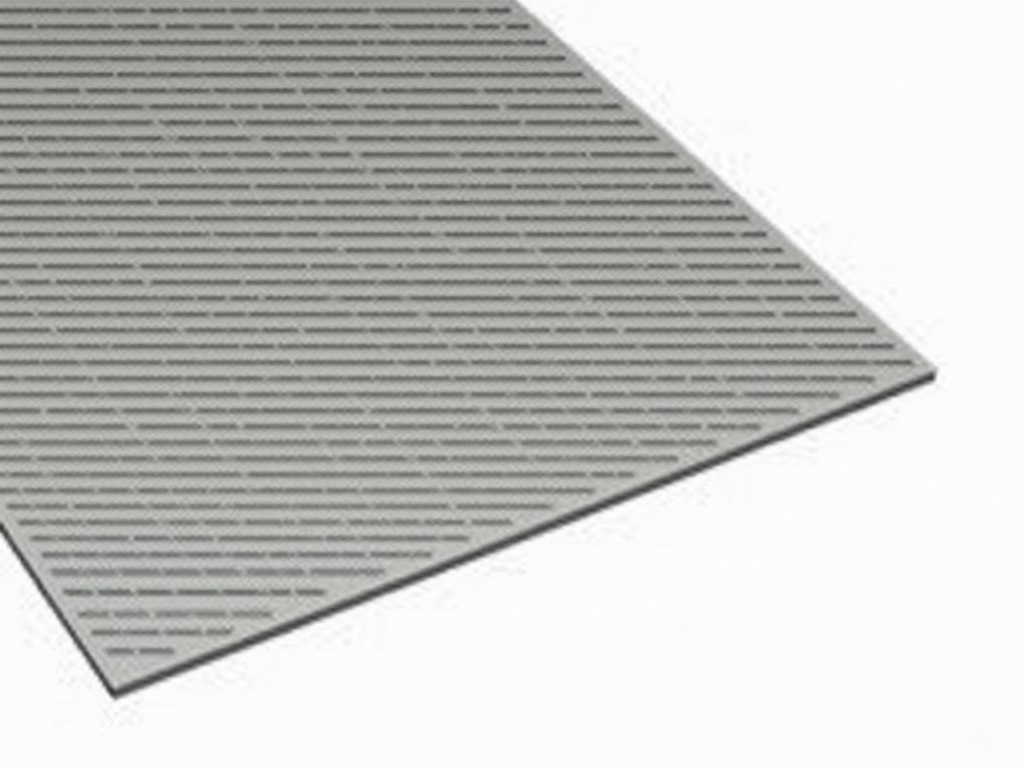
More Products

Send Inquiry
If you are interested in our products, leave your information here and we will be in touch shortly.