China Perforated Ss Sheet Round Hole
Perforated stainless steel sheets with round holes are engineered for applications requiring controlled fluid flow, particulate separation, or acoustic attenuation. The geometry of the
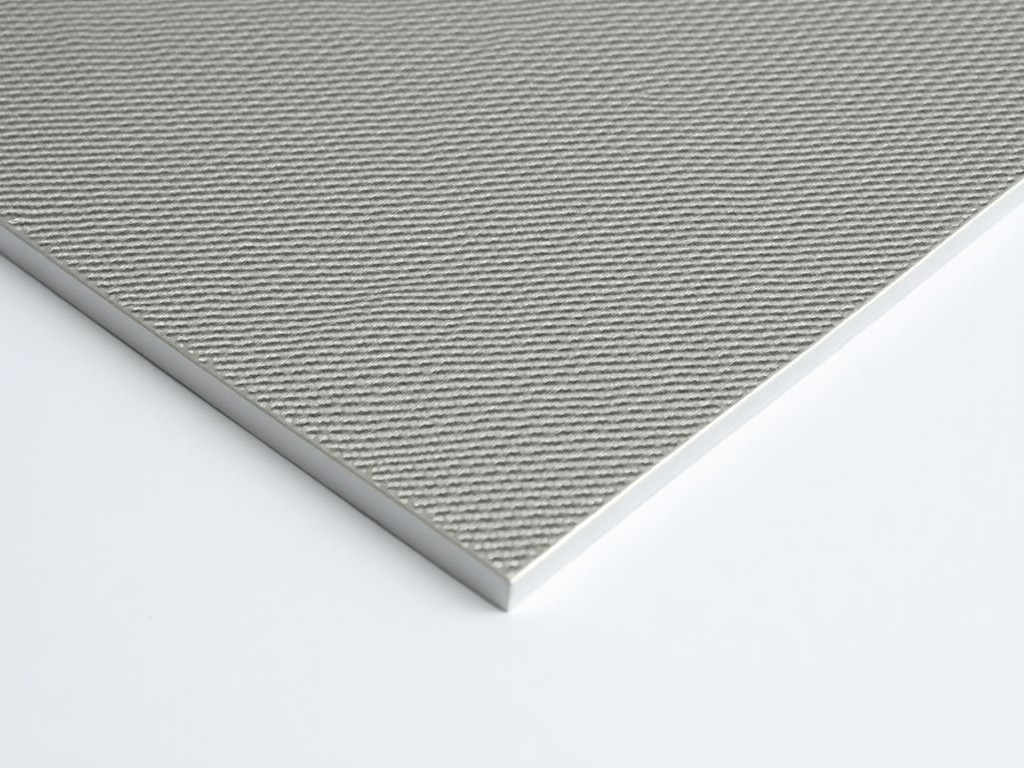
China Perforated SS Sheet Round Hole
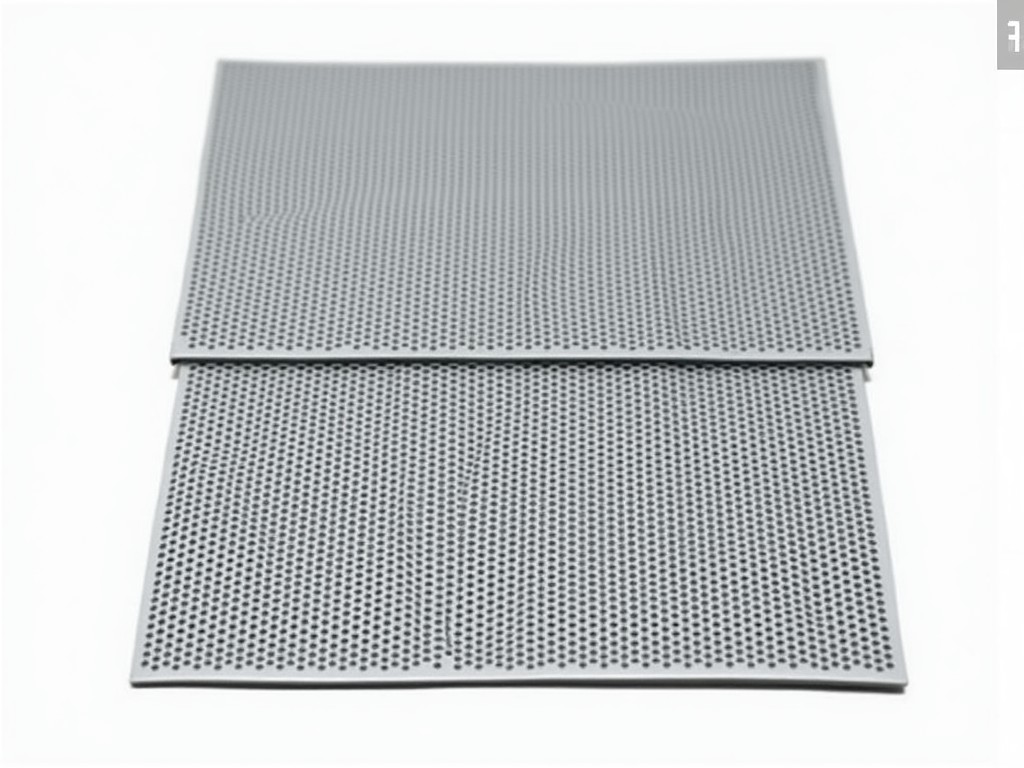
Perforated stainless steel sheets with round holes are engineered for applications requiring controlled fluid flow, particulate separation, or acoustic attenuation. The geometry of the perforations—hole diameter, pitch, and open area—directly influences performance characteristics such as pressure drop, filtration efficiency, and structural integrity. This product page details the technical considerations for selecting and specifying round-hole perforated SS sheets manufactured in China, focusing on measurable parameters rather than subjective claims.
Material Selection and Mechanical Properties
Stainless steel grades commonly used for perforated sheets include 304, 316L, and 430, each selected based on corrosion resistance requirements and mechanical demands. Grade 304 offers general-purpose resistance to atmospheric corrosion and mild chemicals, suitable for indoor or mildly aggressive environments. Grade 316L contains molybdenum, enhancing resistance to chlorides and acidic conditions, making it preferable for marine, chemical processing, or food-grade applications. Grade 430, a ferritic stainless steel, provides moderate corrosion resistance at lower cost but is less suitable for welding or severe forming operations. Typical tensile strength for annealed 304 ranges from 520–720 MPa, with yield strength around 215 MPa; elongation exceeds 40%, enabling significant forming without cracking. These values are critical when assessing deformation resistance during installation or under operational loads.
Perforation Geometry and Open Area Calculation
Round hole perforations are defined by three primary parameters: hole diameter (D), pitch (P—the center-to-center distance between adjacent holes), and pattern arrangement (typically staggered or straight). Open area percentage, a key design variable, is calculated as (πD²/4) / P² × 100 for staggered 60° patterns. For example, a 3 mm diameter hole on a 6 mm pitch yields approximately 39.3% open area. Higher open area reduces pressure drop in flow applications but decreases structural strength and increases vulnerability to clogging. Engineers must balance these trade-offs based on the specific function—whether the sheet acts as a screen, diffuser, guard, or decorative element. Tolerances on hole diameter and pitch are typically ±0.1 mm for precision applications, though looser tolerances may be acceptable for non-critical uses.
Sheet Dimensions and Thickness Options
Standard sheet dimensions from Chinese manufacturers often include 1000×2000 mm, 1250×2500 mm, and 1500×3000 mm, though custom sizes are routinely available upon request. Thickness ranges from 0.5 mm to 6.0 mm, with thinner gauges (0.5–1.5 mm) used in filtration, speaker grilles, or architectural panels where flexibility and weight are concerns. Thicker sheets (2.0–6.0 mm) are selected for structural guards, machine guards, or industrial flooring where impact resistance and load-bearing capacity are required. The relationship between thickness, hole size, and open area determines the ligament strength—the remaining material between holes—which must be sufficient to prevent tearing under expected loads. Ligament width is calculated as P – D; values below 1.0 mm may require additional validation for high-stress environments.
Surface Finish and Post-Processing
Surface finishes affect both appearance and functionality. Common finishes include No. 1 (hot-rolled, annealed, pickled), 2B (cold-rolled, annealed, pickled, lightly polished), and BA (bright annealed). The 2B finish is most prevalent for perforated sheets due to its uniform matte appearance and good corrosion resistance. For decorative or hygienic applications, brighter finishes like BA or #4 brushed may be specified. Post-perforation treatments such as deburring are critical to remove sharp edges that could cause injury or damage to mating parts. In food processing or pharmaceutical settings, electropolishing may be applied to further enhance surface smoothness and reduce bacterial adhesion. These processes do not alter the base material properties but significantly impact usability and compliance with industry standards.
Typical Industrial Applications
Perforated SS sheets with round holes serve distinct functions across industries based on their engineered open area and structural behavior. In HVAC systems, they act as diffuser plates where a 20–40% open area ensures even air distribution without excessive noise or pressure loss. In food processing, 316L sheets with 1.5–3.0 mm holes and 40–50% open area are used for drying trays or washing screens, where corrosion resistance and cleanability are paramount. Acoustic panels in generator enclosures or mechanical rooms utilize perforated sheets backed with absorbent material; here, hole diameter and spacing are tuned to target specific frequency ranges for sound absorption. Machine guards often employ thicker sheets (3.0+ mm) with smaller holes (<3 mm) to prevent finger ingress while maintaining visibility and airflow. Each application requires validation of the perforation pattern against the intended functional goal, not merely aesthetic preference.
| Application | Typical Hole Diameter | Typical Pitch | Open Area Range | Preferred SS Grade |
|---|---|---|---|---|
| HVAC Diffusers | 2–4 mm | 4–8 mm | 20–40% | 304 |
| Food Processing Screens | 1.5–3.0 mm | 3–6 mm | 40–60% | 316L |
| Acoustic Panels | 3–6 mm | 6–12 mm | 15–35% | 304 or 316L |
| Machine Guards | 1–3 mm | 2–5 mm | 25–45% | 304 |
| Architectural Panels | 4–10 mm | 8–20 mm | 30–50% | 304, 316L, or 430 |
Quality Assurance and Inspection Criteria
Quality control for perforated SS sheets focuses on dimensional accuracy, hole integrity, and surface condition. Hole diameter and pitch are verified using calibrated gauges or optical measurement systems, with sampling plans aligned to ISO 2859-1 standards. Visual inspection checks for burrs, deformation, or incomplete punching, particularly at sheet edges where tool wear may cause irregularities. Flatness is assessed using a straightedge and feeler gauge; typical tolerance is ±3 mm over 1000 mm length for standard sheets, though tighter tolerances (±1.5 mm) are available for precision applications. Material verification via PMI (Positive Material Identification) or mill test reports ensures correct alloy composition. For critical applications, additional tests such as burst pressure testing or salt spray exposure (per ASTM B117) may be conducted to validate performance under expected conditions.
Customization and Ordering Considerations
Manufacturers in China routinely accommodate custom specifications for hole size, pattern, sheet dimensions, and edge treatment. To receive an accurate quotation, buyers should provide: material grade, sheet thickness, overall dimensions, hole diameter, pitch, pattern type (staggered or straight), open area requirement (if known), edge condition (mill, deburred, or hemmed), surface finish, and quantity. Tolerance requirements for hole size and positional accuracy should be specified if critical to function. Lead times typically range from 2–4 weeks for standard configurations, extending to 6–8 weeks for highly customized orders involving special tooling or material sourcing. Samples are usually available upon request, often at a nominal cost that is credited against the first order. Packaging options include waterproof wrapping, edge protection, and palletizing for sea or air freight, with corrosion inhibitors included for humid climates.
More Products

Send Inquiry
If you are interested in our products, leave your information here and we will be in touch shortly.