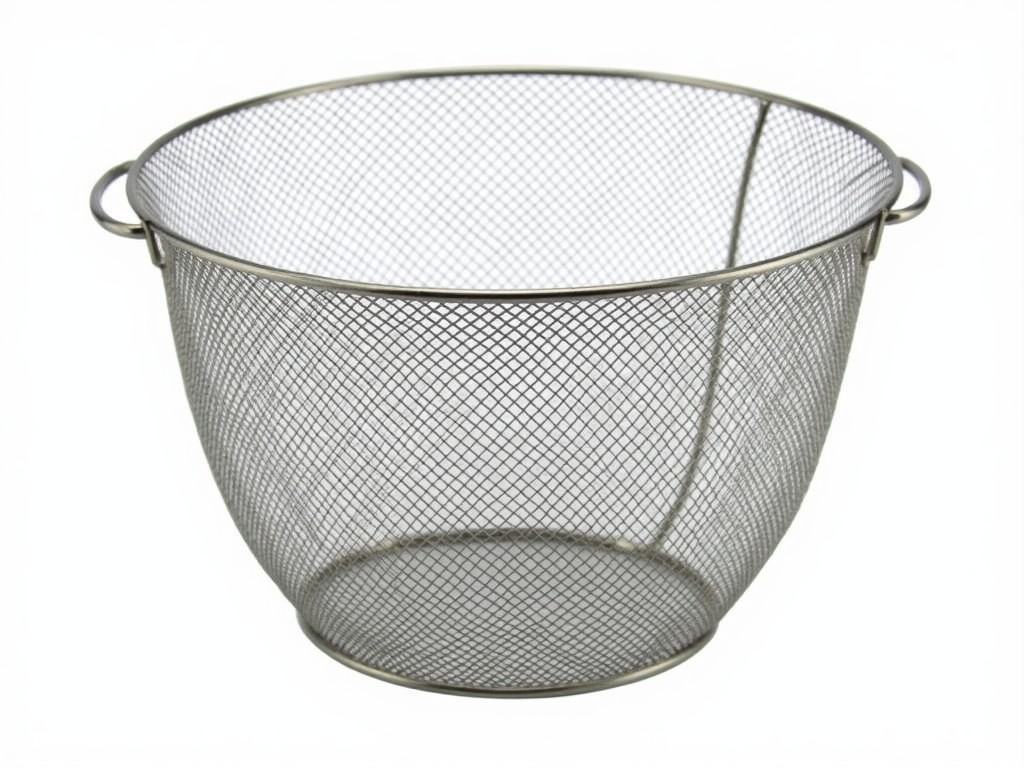
China Wire Mesh Cleaning Baskets
Wire mesh cleaning baskets are industrial components designed to hold parts during aqueous or solvent-based cleaning processes. Constructed from welded or woven wire mesh, these baskets allow
China Wire Mesh Cleaning Baskets
Wire mesh cleaning baskets are industrial components designed to hold parts during aqueous or solvent-based cleaning processes. Constructed from welded or woven wire mesh, these baskets allow cleaning solutions to flow freely around contained items while preventing part loss or damage. Common applications include ultrasonic cleaning, spray washing, dip tanks, and vibratory finishing systems across automotive, aerospace, medical device, and precision machining industries.
Basket design directly impacts cleaning efficiency, part integrity, and process repeatability. Key engineering considerations include mesh aperture size relative to part dimensions, wire diameter for structural strength, basket geometry for optimal solution flow, and material compatibility with cleaning chemistries and operating temperatures. Selecting appropriate specifications reduces risks of part entrapment, basket deformation, or premature failure.
Material Options and Properties
Material selection affects corrosion resistance, thermal stability, and mechanical durability. Stainless steel grades are most common due to their balance of properties and cost. Grade 304 offers good general-purpose resistance to alkaline cleaners and mild acids at temperatures up to 400°F. Grade 316 provides enhanced chloride resistance for acidic or saline environments, suitable for temperatures up to 500°F. Carbon steel with zinc or phosphate coating may be used for non-corrosive, low-temperature applications where cost is a primary constraint.
Wire diameter typically ranges from 0.8mm to 3.0mm depending on load requirements and mesh count. Thicker wires increase rigidity and lifespan but reduce open area, potentially impeding solution flow. Mesh aperture sizes vary from 0.5mm for fine-part retention to 10mm or larger for bulk handling. Open area percentage—calculated from wire diameter and mesh count—directly influences fluid dynamics; higher open area improves wash and rinse efficiency but may require design adjustments to prevent small-part loss.
| Material | Max Operating Temp | Corrosion Resistance | Typical Applications |
|---|---|---|---|
| Stainless Steel 304 | 400°F (204°C) | Good for alkalis, mild acids | General machining, automotive |
| Stainless Steel 316 | 500°F (260°C) | Enhanced for chlorides, acids | Medical, aerospace, marine |
| Carbon Steel (Coated) | 250°F (121°C) | Limited; depends on coating | Low-cost, non-corrosive |
Design Features Affecting Performance
Basket geometry influences how cleaning agents contact parts and how contaminants are removed. Straight-walled designs maximize internal volume but may create dead zones in spray systems. Tapered or conical shapes promote self-draining and reduce fluid retention. Handles or lifting lugs must be positioned to maintain balance when loaded; offset lifting points can cause tilting and spillage. Bottom configurations—flat, raised, or perforated—affect sedimentation and ease of part removal.
Reinforcement methods vary by load expectation. Corner gussets, wire doublers, or external frames prevent racking under heavy loads. Mesh-to-frame joints are typically resistance-welded for strength and smoothness to avoid snagging delicate parts. Electropolishing or passivation treatments may be applied post-fabrication to enhance surface smoothness and corrosion resistance, particularly in medical or semiconductor applications where particulate shedding is critical.
Customization options include lid attachments for containment during agitation, internal dividers to segregate parts, and magnetic inserts for ferrous material handling. Drainage efficiency can be improved through sloped bases or integrated drain ports. For high-cycle applications, fatigue-resistant designs incorporate stress-relief bends and avoid sharp wire intersections where cracking may initiate.
Applications by Industry
In automotive manufacturing, wire mesh baskets clean engine blocks, transmission cases, and fuel injectors after machining. The open structure allows aggressive alkaline cleaners and high-pressure sprays to remove swarf and oil residues while accommodating heavy, irregularly shaped components. Basket size often matches pallet dimensions for automated line integration, with load capacities exceeding 50 lbs depending on wire gauge and support structure.
Aerospace suppliers use baskets for cleaning turbine blades, landing gear components, and hydraulic manifolds. Here, material traceability and surface cleanliness are paramount. Baskets made from 316L stainless steel with electropolished finishes minimize particulate shedding and resist corrosion from passivation baths. Custom fixtures or segmented interiors prevent nesting of complex geometries, ensuring uniform exposure to cleaning agents.
Medical device manufacturers rely on baskets for cleaning surgical instruments, implants, and probe assemblies. Processes often involve ultrasonic cleaning followed by rinsing and drying. Baskets must withstand repeated exposure to enzymatic detergents and deionized water at elevated temperatures. Fine mesh apertures (0.5–1.5mm) prevent loss of small components like screws or springs, while smooth, crevice-free surfaces facilitate validation cleaning protocols.
Precision machining shops use baskets for deburring, cleaning, and surface preparation of turned and milled parts. Vibratory tumbling baskets feature reinforced walls and specialized mesh patterns to retain media while allowing workpiece movement. Dip basket designs for rust inhibitors or lubricants prioritize drainage and minimal carryover. Reusability and resistance to mechanical wear are key selection criteria in high-throughput environments.
Quality Control and Manufacturing Considerations
Dimensional accuracy ensures repeatable positioning in automated systems. Critical dimensions—length, width, height, and mesh aperture tolerance—are typically inspected using calibrated gauges or coordinate measuring machines. Aperture uniformity affects flow consistency; variations beyond ±10% of nominal size may require sorting or reprocessing. Squareness and twist are checked to prevent jamming in conveyor or rotary systems.
Weld integrity is assessed visually and, when required, via dye penetrant testing for crack detection. Load testing validates structural performance under expected conditions; baskets may be subjected to static loads exceeding 150% of rated capacity to verify safety margins. Surface finish roughness is measured where applicable, with electropolished targets often below 0.8μm Ra for critical applications.
Material certification (e.g., mill test reports) confirms alloy composition and traceability. Cleaning validation may involve residue analysis using gravimetric or spectroscopic methods to ensure baskets do not introduce contaminants. Packaging for shipment includes moisture barriers and corrosion inhibitors for overseas transport, with baskets nested or stacked to prevent deformation during handling.
Customization Process
Engineering collaboration begins with application details: part geometry, weight, cleaning chemistry, temperature, cycle time, and handling method. Mesh specification is derived from smallest feature size to be retained and required flow rate. Load calculations determine wire diameter and support spacing. Prototypes may be produced for validation before full-scale production.
Design for manufacturability considers wire bending radii, weld accessibility, and material yield. Standardized basket sizes reduce tooling costs, while fully custom designs accommodate unique constraints. Documentation includes CAD models, inspection criteria, and maintenance guidelines. Lead times typically range from 2–4 weeks for standard configurations and 4–8 weeks for complex custom orders, depending on material availability and tooling requirements.
To initiate a quotation, provide: part drawings or samples, cleaning process details (chemicals, temperature, duration), required basket dimensions, load weight, and any regulatory or certification needs. Suppliers may request flow simulations or cleaning trial results to optimize design. Clear communication of performance expectations reduces iteration cycles and ensures the final basket meets process demands.
For technical consultation or to request a quote for wire mesh cleaning baskets tailored to your cleaning process, contact our engineering team.
Request Technical Quote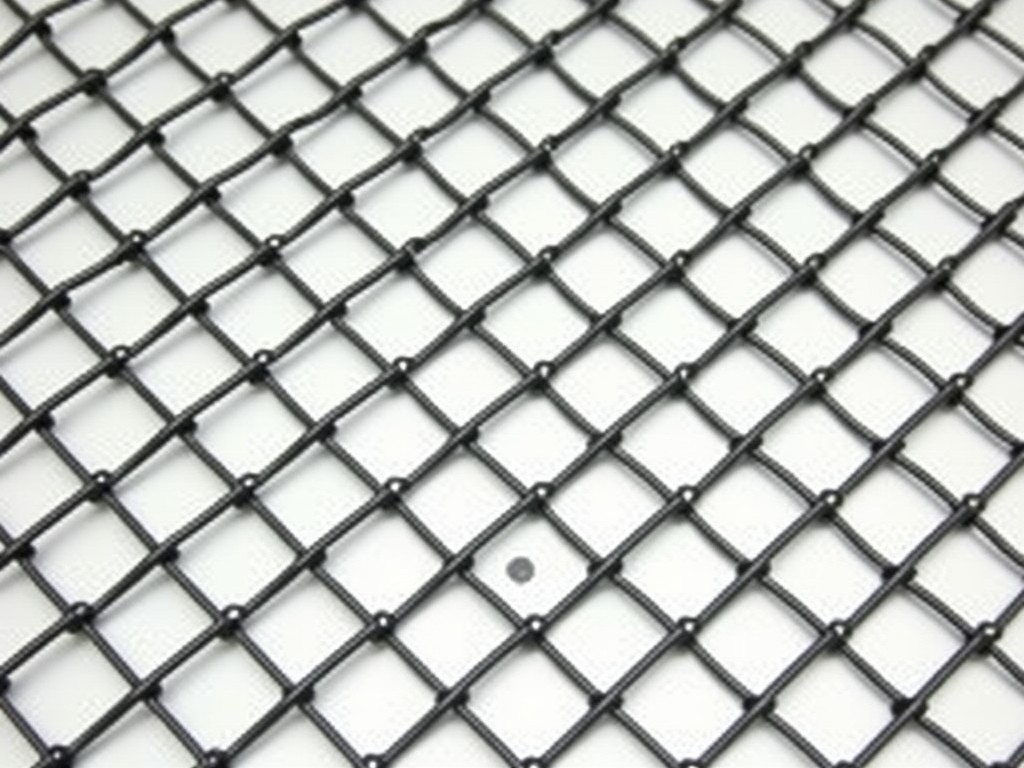

More Products

Send Inquiry
If you are interested in our products, leave your information here and we will be in touch shortly.