Deep Sink Strainer Basket Stainless Steel
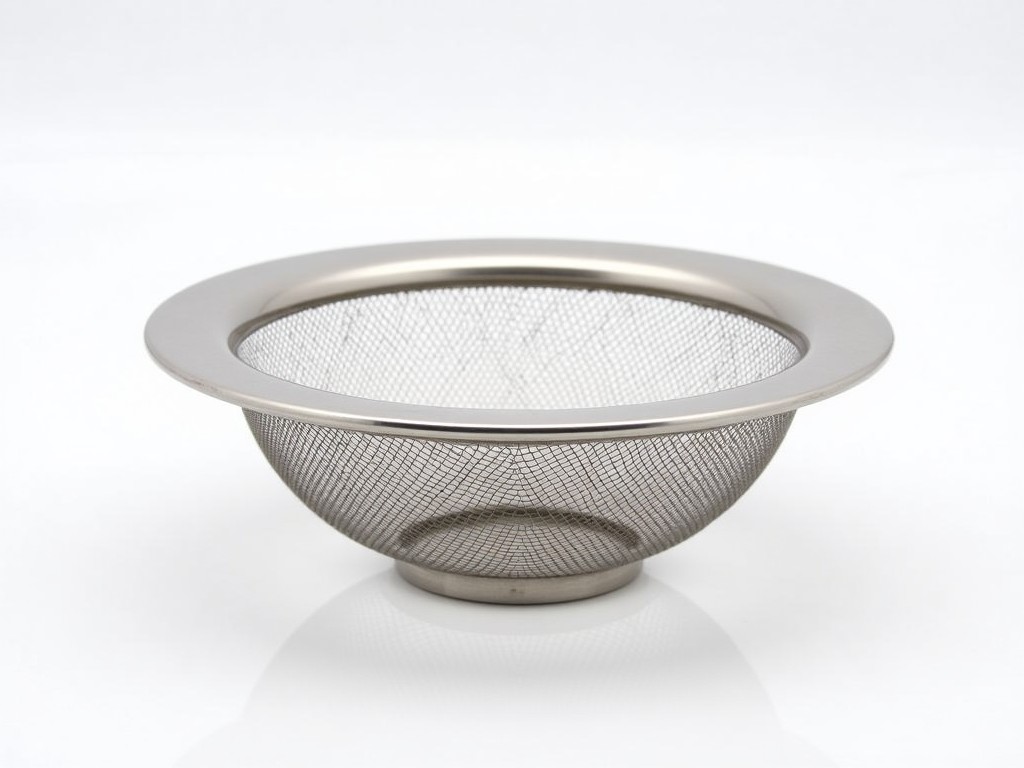
A deep sink strainer basket is a perforated or slotted container designed to fit within industrial sink basins, capturing solid debris while allowing liquids to drain. Its primary function is to
Deep Sink Strainer Basket Stainless Steel
A deep sink strainer basket is a perforated or slotted container designed to fit within industrial sink basins, capturing solid debris while allowing liquids to drain. Its primary function is to prevent blockages in drainage systems by retaining food particles, metal shavings, or other process waste before they enter plumbing lines. Depth is a critical dimension, as it determines the volume of material the basket can hold between cleaning cycles, directly impacting maintenance frequency in high-throughput environments.
Material Selection and Corrosion Resistance
Stainless steel grades 304 and 316 are commonly selected for deep sink strainer baskets due to their resistance to oxidation and chemical exposure. Grade 304 offers adequate protection against general water and mild detergents, while grade 316 incorporates molybdenum to enhance resistance to chlorides and acidic solutions, making it suitable for food processing, pharmaceutical, or chemical washdown applications. The material’s passive chromium oxide layer self-repairs when exposed to oxygen, maintaining integrity over extended service life even under frequent cleaning cycles.
Structural Design and Load Characteristics
The basket’s depth typically ranges from 75 mm to 200 mm, selected based on sink dimensions and expected waste accumulation rate. Sidewalls are formed with vertical or slightly tapered profiles to maximize internal volume while ensuring stability when loaded. Perforation patterns—usually 3 mm to 6 mm diameter holes spaced at 8 mm to 12 mm centers—balance open area for drainage (typically 30% to 45%) with sufficient structural strength to resist deformation under wet load. Reinforced rims, often rolled or welded with a 10 mm to 15 mm flange, prevent edge deformation and provide a secure seating surface against the sink rim.
Manufacturing Considerations
Deep sink strainer baskets are fabricated from sheet stainless steel using progressive die stamping or CNC laser cutting for precision hole patterns. Sidewalls are bent via press brake forming, and seams are joined using TIG welding to maintain corrosion resistance at joints; spot welding is avoided in food-grade applications due to crevice corrosion risks. After forming, surfaces undergo passivation treatment to remove free iron and enhance the protective oxide layer. Electropolishing may be specified for applications requiring ultra-smooth finishes to minimize bacterial adhesion and facilitate cleaning.
Typical Applications Across Industries
In food processing facilities, these baskets capture vegetable trimmings, bone fragments, and packaging debris during washing lines, protecting downstream pumps and filters. In metalworking shops, they retain swarf and abrasive particles from coolant tanks, reducing wear on recirculation systems. Laboratories use them in glassware washers to collect broken pipettes or filter media, preventing drain clogs. The depth allows extended operation between shifts in continuous processes, whereas shallow alternatives would require hourly intervention, disrupting workflow.
Comparison of Configuration Options
| Feature | Standard Configuration | Customizable Alternative |
|---|---|---|
| Material Grade | AISI 304 | AISI 316L for chloride environments |
| Depth Range | 100 mm | 75 mm to 200 mm in 25 mm increments |
| Perforation Size | 4 mm diameter | 2 mm to 8 mm diameter; slot options available |
| Rim Treatment | Rolled edge, 12 mm width | Welded flange with gasket groove for sealed fit |
| Surface Finish | 2B mill finish | #4 brushed or electropolished Ra<0.8 μm |
Quality Assurance and Inspection
Dimensional verification includes depth, diameter, and perforation alignment using calibrated gauges and optical comparators to ensure proper sink fit and hydraulic performance. Wall thickness is measured at multiple points via micrometer to confirm uniformity after forming, typically maintained within ±0.1 mm of nominal. Visual inspection under 10x magnification checks for weld discontinuities, surface scratches, or embedded particulates that could compromise corrosion resistance. For sanitary applications, swab testing for residual oils or passivation effectiveness may be conducted per ASTM A967 or A380 standards.
Installation and Maintenance Guidelines
The basket is designed for drop-in installation, resting on the sink’s internal ledge or supported by a removable collar. No tools are required for placement or removal, enabling rapid cleaning cycles. To maintain flow efficiency, inspect perforation clarity weekly in high-solids applications; blockages increase backpressure and reduce drainage velocity. Cleaning involves soaking in alkaline detergent followed by manual brushing of perforations; avoid chlorinated cleaners on 304 grade to prevent pitting. After cleaning, rinse thoroughly and allow air drying to prevent water spotting.
For technical inquiries, custom dimensions, or material certification requests, contact our engineering team to discuss your specific sink dimensions, waste stream characteristics, and cleaning protocols. We provide detailed drawings, material test reports, and guidance on selecting the optimal perforation profile and depth for your application.
Request Technical Consultation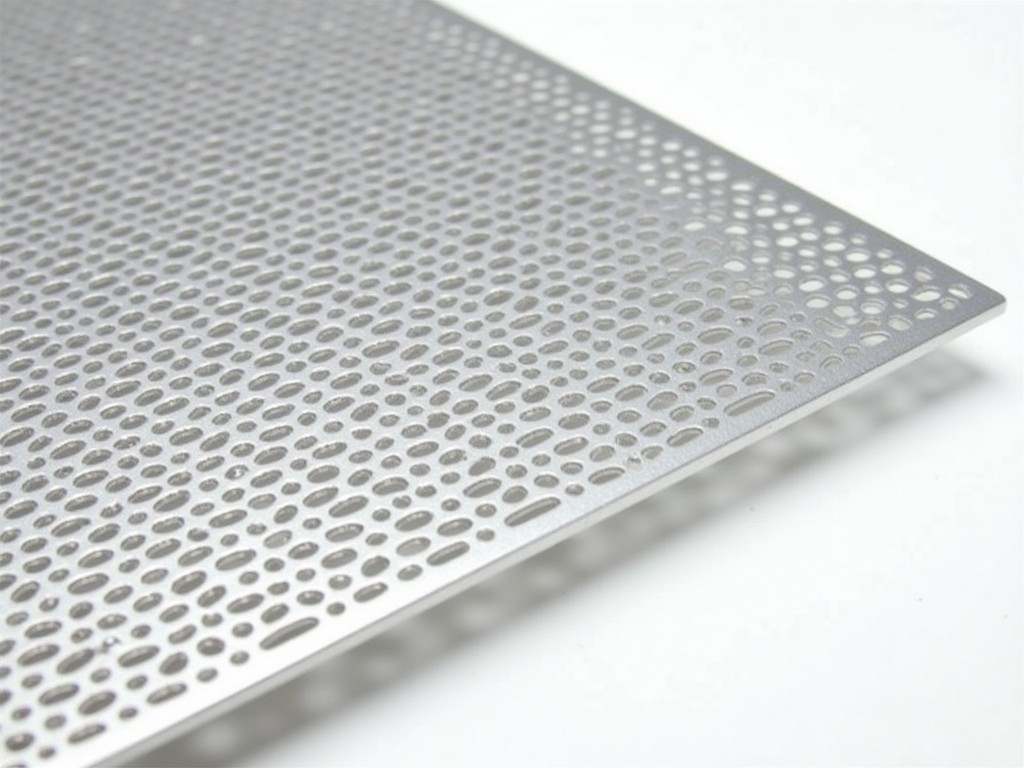
More Products

Send Inquiry
If you are interested in our products, leave your information here and we will be in touch shortly.