Factory Direct Perforated Plate Stainless Steel
Perforated plate made from stainless steel is a precision-engineered material used where controlled fluid or gas flow, structural support, or filtration is required. Factory direct supply eliminates
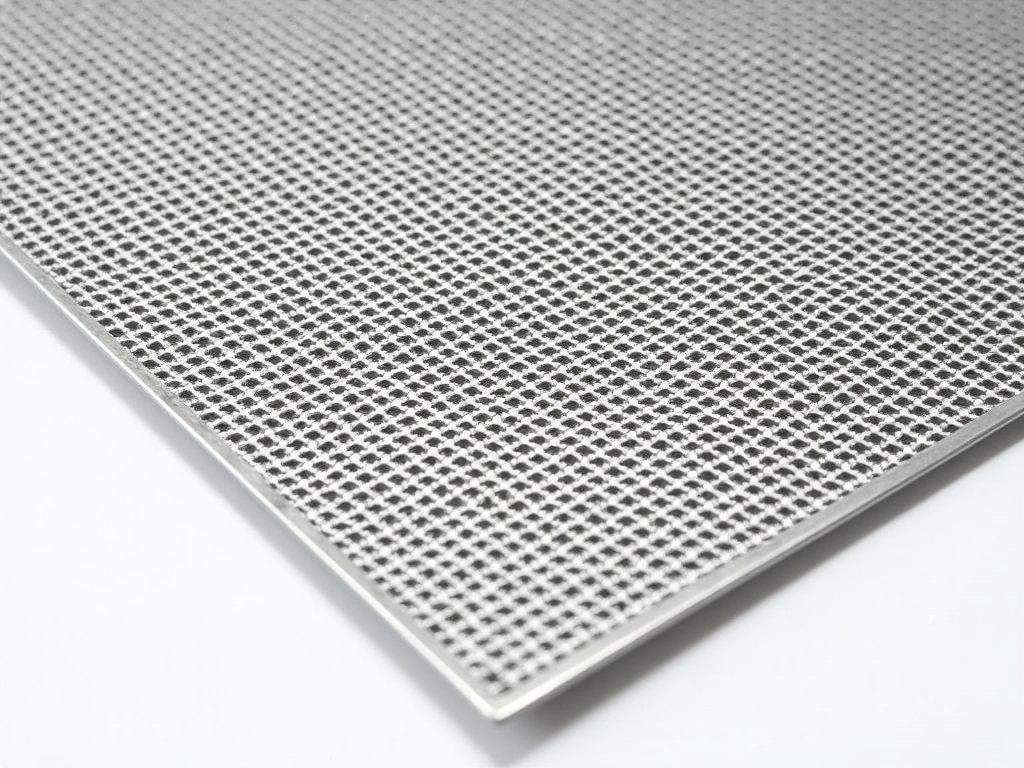
Factory Direct Perforated Plate Stainless Steel
Perforated plate made from stainless steel is a precision-engineered material used where controlled fluid or gas flow, structural support, or filtration is required. Factory direct supply eliminates intermediate distributors, allowing buyers to specify exact hole patterns, thicknesses, and alloys tailored to process conditions. This approach reduces lead time uncertainty and ensures material traceability from mill to application.
Material Selection and Corrosion Resistance
Stainless steel grades commonly used for perforated plate include 304, 316L, and duplex 2205, selected based on exposure to chlorides, acids, or elevated temperatures. Grade 304 offers adequate resistance in mild environments and is cost-effective for indoor HVAC or food processing. Grade 316L contains molybdenum, improving resistance to pitting in marine or chemical washdown applications. Duplex 2205 provides higher strength and superior stress corrosion cracking resistance, suitable for offshore or high-pressure systems. The perforating process does not alter the base alloy’s corrosion properties if performed with proper tooling and lubrication.
Hole Patterns and Open Area Calculations
Perforation geometry directly impacts flow characteristics, structural integrity, and cleaning efficiency. Common patterns include round, square, slotted, and hexagonal arrangements, each defined by hole diameter, pitch (center-to-center spacing), and stagger angle. Open area percentage—the ratio of hole surface to total plate area—is calculated from these parameters and determines pressure drop across the plate. For example, a 6mm round hole on 8mm pitch in a staggered layout yields approximately 44% open area. Engineers select patterns based on required flow rate, particle retention size, and mechanical load constraints.
Thickness Options and Structural Considerations
Plate thickness ranges from 0.5mm to 25mm, influencing both rigidity and manufacturability. Thinner gauges (0.5–2mm) are used in screens, filters, or decorative panels where flexibility and weight matter. Thicker sections (3mm–25mm) support structural loads in walkways, machine guards, or pressure vessel components. The relationship between hole size and material thickness affects tool wear during punching; generally, hole diameter should not be less than material thickness to avoid burring or tool breakage. For critical applications, laser or plasma perforation may be preferred over mechanical punching to maintain edge quality in thick sections.
Surface Finish and Post-Processing
Surface finish affects both appearance and functional performance. Common finishes include No. 1 (hot-rolled, annealed), No. 2B (cold-rolled, pickled), and No. 4 (brushed). For hygienic industries like pharmaceuticals or food processing, a No. 4 finish is often specified to minimize crevices where contaminants can accumulate. Post-perforation treatments such as passivation or electropolishing may be applied to enhance corrosion resistance and remove surface contaminants introduced during fabrication. These processes are particularly important when the plate will be exposed to sterile cleaning cycles or acidic environments.
Typical Industrial Applications
Perforated stainless steel plate serves distinct functions depending on industry requirements. In chemical processing, it acts as a support bed for catalyst packs or as a distributor in scrubber towers, where uniform flow distribution prevents channeling. In wastewater treatment, fine-hole plates retain biomass in membrane bioreactors while allowing permeate to pass. Architectural applications use perforated panels for solar shading or acoustic dampening, where hole pattern and spacing are tuned to specific light transmission or sound absorption targets. In food processing, perforated trays enable drainage and steam circulation during cooking or washing cycles, with hole sizes designed to prevent product loss while ensuring adequate flow.
Quality Control and Inspection
Dimensional accuracy and hole consistency are verified using calibrated gauges, optical comparators, or coordinate measuring machines (CMM). Hole diameter tolerance typically ranges from ±0.1mm for precision applications to ±0.5mm for general-purpose plates. Pitch accuracy ensures uniform open area across the sheet, which is critical for predictable flow behavior. Visual inspection checks for burrs, sharp edges, or deformation around hole perimeters that could compromise safety or cleanliness. Material test reports (MTRs) confirming alloy composition and mechanical properties are provided with each shipment, enabling full traceability to the raw material source.
Customization and Ordering Process
Factory direct procurement allows engineers to specify non-standard hole patterns, variable open areas across a single plate, or combined perforation and forming operations. To initiate a quote, buyers should provide: material grade, thickness, overall dimensions, hole shape and size, pitch and layout, required open area percentage, edge treatment (square, rounded, or deburred), and any secondary operations such as bending, welding, or framing. Lead times depend on complexity and material availability but typically range from 2–4 weeks for standard alloys and 4–6 weeks for specialty grades like duplex or super austenitic stainless steels.
| Parameter | Typical Range | Notes |
|---|---|---|
| Stainless Steel Grade | 304, 316L, 2205, 904L | Selected based on corrosion environment |
| Thickness | 0.5 mm – 25 mm | Thinner for filters, thicker for structural use |
| Hole Diameter | 0.8 mm – 50 mm | Should generally be ≥ material thickness |
| Open Area | 5% – 65% | Dependent on hole size, pitch, and pattern |
| Surface Finish | No. 1, 2B, No. 4, Electropolished | No. 4 common in hygienic applications |
For technical consultation or to request a formal quotation, provide your application details including operating conditions, required flow rates, and any regulatory standards (e.g., ASME, FDA, 3A). Our engineering team will review hole pattern suitability, material compatibility, and structural requirements to ensure the perforated plate performs reliably in your system. Contact us to begin the specification process.

More Products

Send Inquiry
If you are interested in our products, leave your information here and we will be in touch shortly.