Factory Direct Perforated Sheet Price Per Kg
Perforated sheet pricing per kilogram depends on material grade, hole pattern, thickness, and order volume. Factory direct purchasing eliminates intermediary markups, providing transparent cost
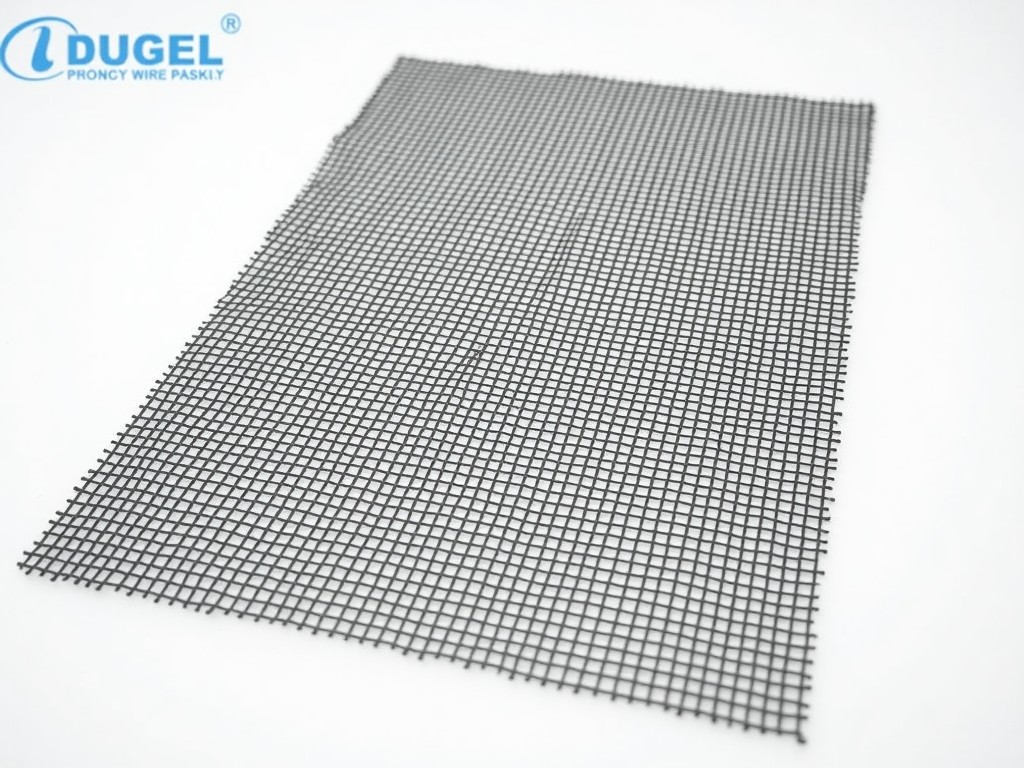
Factory Direct Perforated Sheet Price Per Kg
Perforated sheet pricing per kilogram depends on material grade, hole pattern, thickness, and order volume. Factory direct purchasing eliminates intermediary markups, providing transparent cost calculation based on actual material consumption and processing complexity. Understanding these variables enables accurate budget forecasting for industrial applications ranging from filtration systems to architectural facades.
Material selection significantly impacts base cost per kg. Carbon steel (A36, Q235) typically ranges from $1.80–$2.50/kg for standard perforated patterns, while stainless steel (304, 316L) starts at $4.20/kg due to higher raw material costs and increased by 15–30% depending on hole size and open area percentage. Thinner gauges (0.5–1.0mm) increase processing time per kg, raising effective cost despite lower material volume.
Hole pattern geometry directly affects manufacturing efficiency and scrap rate. Round holes (most common) offer optimal punch press utilization at 40–60% open area. Slotted or decorative patterns require specialized tooling, increasing setup costs amortized over production runs. High open area (>60%) reduces material usage per square meter but may require secondary deburring, adding 0.20–0.40/kg to processing cost.
Material Cost Breakdown Per Kg
| Material Grade | Base Material Cost ($/kg) | Typical Processing Adder ($/kg) | Total Estimated Range ($/kg) |
|---|---|---|---|
| Carbon Steel (A36/Q235) | $1.80–$2.20 | $0.30–$0.80 | $2.10–$3.00 |
| Galvanized Steel (SGCC) | $2.00–$2.40 | $0.35–$0.85 | $2.35–$3.25 |
| Stainless Steel 304 | $4.20–$4.80 | $0.50–$1.20 | $4.70–$6.00 |
| Stainless Steel 316L | $5.00–$5.80 | $0.60–$1.40 | $5.60–$7.20 |
| Aluminum 3003/H14 | $2.80–$3.40 | $0.40–$0.90 | $3.20–$4.30 |
Values represent typical factory direct pricing for standard round hole patterns (3–6mm diameter, 40–50% open area) in 0.8–1.5mm thickness. Actual quotes require specific pattern, tolerance, and volume details.
Volume-Based Pricing Adjustments
Order volume influences per-kg cost through amortization of setup, tooling, and material handling. Small lots (<50 kg) incur higher effective pricing due to fixed changeover time and material testing. Medium volumes (50–500 kg) optimize run efficiency, while large orders (>500 kg) leverage continuous processing and bulk material purchasing.
- Under 50 kg: +20–35% surcharge for setup and quality validation
- 50–200 kg: Base pricing applies with standard lead times
- 200–1000 kg: 5–12% discount for reduced changeover frequency
- Over 1000 kg: Negotiable based on material yield optimization and logistics consolidation
Material yield optimization becomes critical at higher volumes. Nesting efficiency for hole patterns affects usable material percentage—typically 85–92% for standard grids, dropping below 80% for complex or high open-area designs. This yield factor directly impacts effective cost per usable kg and should be confirmed during quotation.
Pattern and Tolerance Cost Factors
Hole diameter, pitch, and open area percentage determine punch press tonnage requirements and tool wear rates. Smaller holes (<3mm) increase hit frequency per square meter, raising energy consumption and punch replacement costs. Larger holes (>8mm) reduce hit count but require stronger tooling and may cause material deformation, necessitating slower feed rates.
Tolerance specifications directly affect scrap rate and secondary processing. Standard commercial tolerances (±0.1mm hole size, ±1.5mm pitch) maintain economical production. Tighter tolerances (±0.05mm) require precision tooling, slower speeds, and increased inspection, adding 0.15–0.40/kg. Critical applications (e.g., aerospace filters) may need laser verification, increasing cost further.
Open area percentage influences both material cost and structural performance. 30–40% open area balances flow rate with rigidity for most industrial uses. Above 50%, material deflection increases, often requiring thicker gauge or secondary leveling—adding 0.20–0.50/kg for stress relief or flattening processes. Below 20%, clogging risk rises in filtration applications, potentially increasing maintenance costs downstream.
Typical Applications and Cost Justification
In HVAC systems, perforated sheets serve as acoustic liners and air distribution plates. 304 stainless steel at 40% open area (1.2mm thickness, 4mm holes) costs ~$5.20/kg factory direct. This investment reduces noise transmission by 8–12 dB while maintaining adequate airflow—proven in ASHRAE-tested plenum designs where lifecycle savings exceed material cost within 18 months.
For industrial filtration, carbon steel perforated baskets with 60% open area (2mm holes, 1.0mm thickness) average $2.70/kg. The design allows 65% flow-through efficiency versus 40% for woven mesh equivalents, reducing pump energy consumption. At continuous operation, the perforated solution typically achieves payback in <8 months through lower operational costs despite higher initial material outlay.
Architectural cladding uses aluminum or stainless perforated panels for solar shading and facade ventilation. 3003-H14 aluminum at 35% open area (1.5mm thickness, 5mm holes) costs $3.80/kg. Compared to solid panels, this configuration reduces wind load by 30–40% and lowers cooling energy demand by 12–18% in south-facing installations—validated through CFD modeling in Mediterranean climate simulations.
Quality Control and Material Traceability
Factory direct procurement includes full material certification (EN 10204 3.1) and traceability to mill heat numbers. Each lot undergoes dimensional verification via optical comparators (±0.05mm accuracy) and open area validation using calibrated flow test rigs. Surface defect limits follow ISO 9013 for thermal cutting edges or ANSI B11.2 for punched features, with acceptance criteria documented per lot.
Hardness testing (Rockwell B for steels, Webster for aluminum) confirms material suitability post-punching to ensure no annealing or work-hardening deviations exceed ±5% from base spec. For corrosion-resistant grades, passivation verification via copper sulfate test (ASTM A380) or ferricyanide test (ASTM A967) is available upon request. All inspection records are retained for 10 years and accessible via lot number.
Packaging prevents corrosion and mechanical damage during transit. Sheets are interleaved with VCI paper, wrapped in polyethylene film, and secured on steel pallets with corner braces. Export shipments include desiccant packs and humidity indicators. Custom packaging (wooden crates, moisture barrier bags) adds 0.05–0.15/kg but reduces transit damage risk to <0.5% in long-haul scenarios.
To obtain a precise factory direct quote for perforated sheet price per kg, provide: material grade, thickness, hole pattern (size/pitch/open area), required tolerances, order quantity, and delivery destination. Our engineering team will calculate material yield, processing time, and logistics to deliver a transparent, itemized quotation within 4 business hours.
More Products

Send Inquiry
If you are interested in our products, leave your information here and we will be in touch shortly.