Factory Direct Perforated Stainless Sheet Metal
Perforated stainless steel sheet metal is manufactured by creating a precise pattern of holes through flat sheet stock using punch press or laser technology. The process maintains the structural
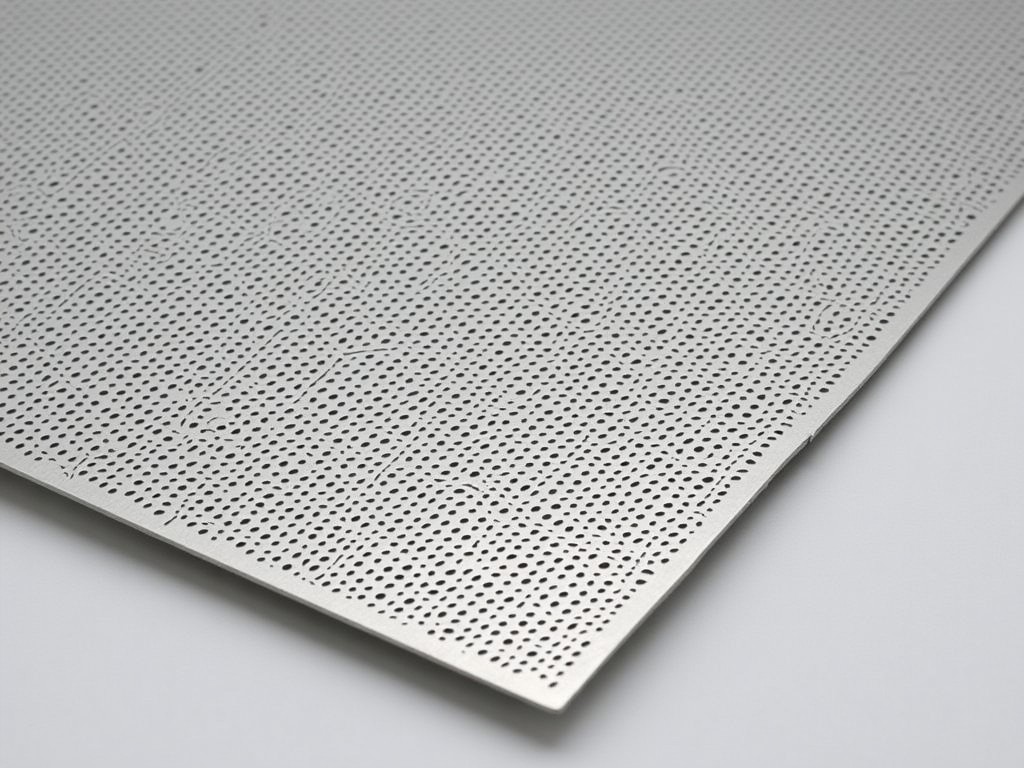
Perforated stainless steel sheet metal is manufactured by creating a precise pattern of holes through flat sheet stock using punch press or laser technology. The process maintains the structural integrity of the base material while introducing controlled openings for airflow, light transmission, filtration, or acoustic management. Factory direct supply eliminates intermediary handling, reducing lead time and ensuring material traceability from mill to customer.
Material Selection and Mechanical Properties
Commonly used grades include 304 and 316L stainless steel due to their corrosion resistance and formability. 304 offers adequate resistance to atmospheric oxidation and mild chemicals, suitable for indoor or sheltered outdoor use. 316L contains molybdenum, enhancing resistance to chlorides and acidic environments, making it preferable for marine, chemical processing, or food-grade applications. Typical thickness ranges from 0.5mm to 6.0mm, with tensile strength between 500–750 MPa depending on grade and temper.
Perforation Patterns and Open Area Calculations
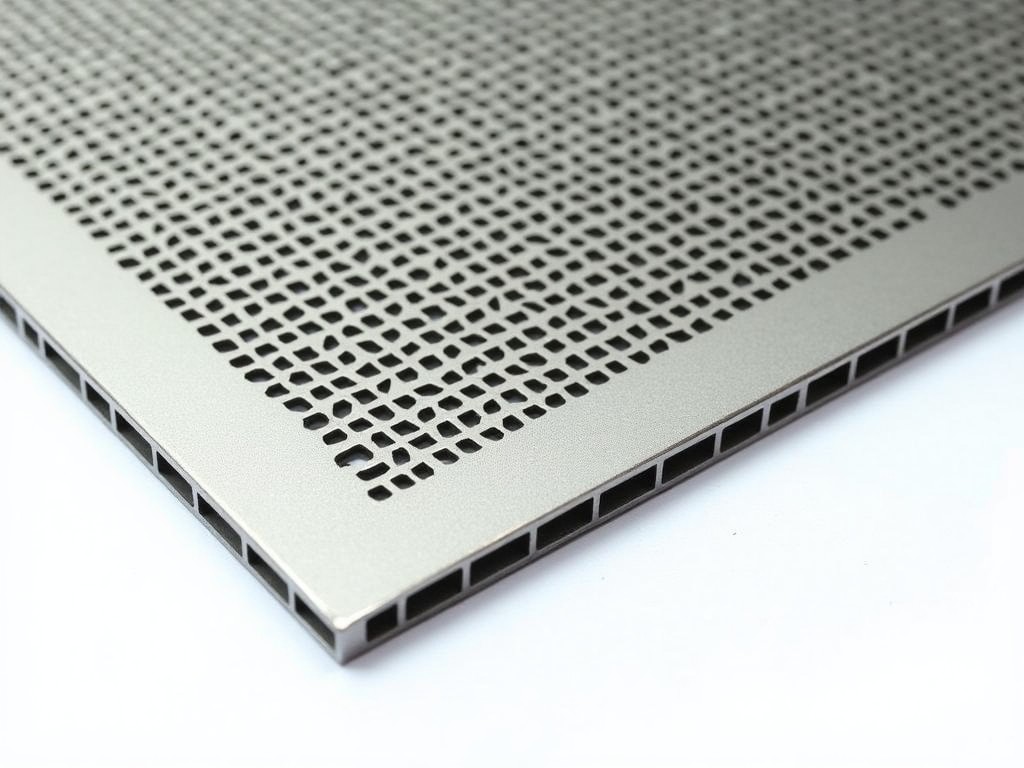
Perforation patterns are defined by hole shape, size, pitch, and arrangement. Standard shapes include round, square, slotted, and hexagonal, with round being most common due to tooling efficiency. Hole diameter typically ranges from 0.8mm to 20mm, while pitch (center-to-center spacing) varies from 2mm to 50mm. Open area percentage—the ratio of hole area to total sheet area—is calculated as (hole area × number of holes) / sheet area × 100, directly impacting airflow, visibility, and structural load capacity.
Typical Applications Across Industries
In HVAC systems, perforated stainless steel serves as diffuser plates or return air grilles, where corrosion resistance and cleanability are essential for long-term performance in humid environments. In food processing, it functions as drying trays or screening panels, where 316L grade prevents contamination and withstands frequent washdowns. Architectural facades use perforated panels for solar shading, where pattern density controls light penetration while maintaining visual appeal. Industrial machinery incorporates these sheets as guards or filters, balancing protection with ventilation needs.
Customization Capabilities
Customers can specify hole geometry, pattern layout, sheet dimensions, edge treatment, and surface finish. Custom patterns may require specialized tooling or laser programming, affecting setup time but enabling unique functional or aesthetic outcomes. Edge options include mill edge, deburred, or hemmed for safety. Surface finishes range from 2B mill finish to brushed No. 4 or mirror polish, influencing both appearance and cleanability. Thickness tolerance typically adheres to ASTM A480/A480M standards.
Quality Control and Inspection
Dimensional verification includes hole diameter, pitch, and positional tolerance using calibrated gauges or optical measurement systems. Edge straightness and flatness are assessed against DIN EN 10029 or equivalent standards. Surface inspection checks for burrs, scratches, or contamination under controlled lighting. Material test reports (MTRs) confirming chemical composition and mechanical properties are available upon request. Lot traceability is maintained from raw material coil to finished sheet.
Comparison of Common Perforation Parameters
| Parameter | Typical Range | Impact on Performance |
|---|---|---|
| Hole Diameter | 0.8mm – 20mm | Larger holes increase flow rate but reduce structural stiffness |
| Pitch (Center-to-Center) | 2mm – 50mm | Smaller pitch increases open area and hole density |
| Open Area Percentage | 10% – 70% | Higher open area improves airflow but reduces load-bearing capacity |
| Sheet Thickness | 0.5mm – 6.0mm | Greater thickness resists deformation under pressure or impact |
For projects requiring non-standard hole shapes, variable density gradients, or secondary forming (such as bending or rolling), consultation during the design phase ensures manufacturability and cost efficiency. Laser perforation allows for intricate patterns without tooling constraints but may affect edge quality compared to punch pressing.
Packaging and Logistics
Sheets are typically stacked with protective interleaving paper or film to prevent surface abrasion during transit. Bundles are secured with steel or polyester strapping and wrapped in water-resistant shrink film. Edge protectors are applied to prevent deformation. For export shipments, moisture barrier packaging and fumigated pallets comply with ISPM 15 standards. Custom packaging, such as wooden crates or corrosion-inhibiting wraps, is available for sensitive destinations or long-term storage.
More Products

Send Inquiry
If you are interested in our products, leave your information here and we will be in touch shortly.