Factory Supply Stainless Steel Wire Fruit Basket
Stainless steel wire fruit baskets are engineered for food handling environments where hygiene, durability, and airflow are critical. Constructed from food-grade stainless steel wire, these baskets

Stainless Steel Wire Fruit Basket for Factory Supply
Stainless steel wire fruit baskets are engineered for food handling environments where hygiene, durability, and airflow are critical. Constructed from food-grade stainless steel wire, these baskets provide a corrosion-resistant, easy-to-clean solution for storing, transporting, and displaying fruit in processing facilities, distribution centers, and commercial kitchens. Their open mesh design promotes even air circulation, reducing moisture buildup and helping maintain product freshness during short-term storage.
Material Composition and Food Safety Compliance
These baskets are typically fabricated from AISI 304 or 316L stainless steel wire, selected based on the specific environmental demands of the application. AISI 304 offers sufficient corrosion resistance for dry or mildly humid indoor environments, while 316L provides enhanced resistance to chlorides and acidic fruit juices, making it suitable for washdown areas or exposure to citrus-based products. All wire diameters and mesh openings comply with FDA 21 CFR regulations for food contact surfaces, ensuring no leaching or contamination risk during prolonged use.
Structural Design and Load Characteristics
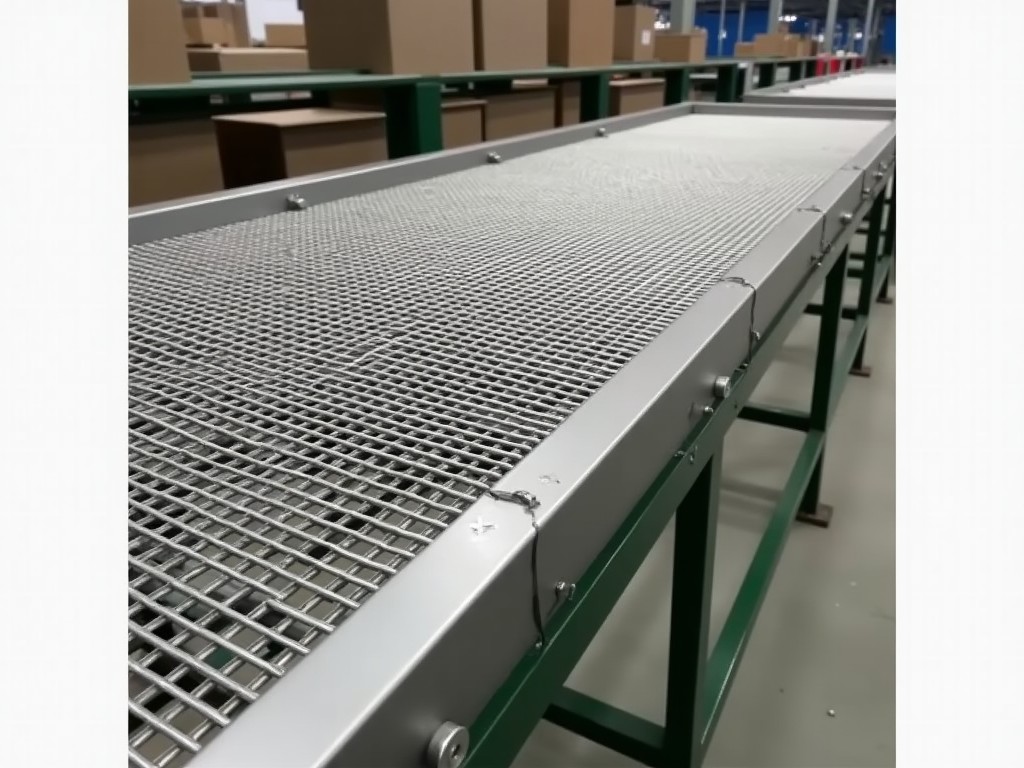
The basket structure consists of longitudinal and transverse wires welded at each intersection to form a rigid grid. Wire diameters typically range from 2.0 mm to 3.5 mm, with mesh openings between 10 mm and 25 mm, depending on the size of the fruit being handled. This configuration provides sufficient tensile strength to support static loads of up to 15 kg per basket without permanent deformation, while maintaining a low self-weight for ease of handling. Corner reinforcements and rolled wire edges eliminate sharp points, reducing snag hazards and improving operator safety.
Standard Dimensions and Customization Options
Standard sizes are designed to integrate with common material handling systems, including conveyor belts, stacking frames, and shelving units. Custom dimensions, wire gauges, and mesh patterns are available to accommodate specific fruit types, storage durations, or automation requirements. Baskets can be manufactured with flat bases, tapered sides, or integrated handles to improve stability and ergonomics during manual transfer.
| Parameter | Typical Range | Notes |
|---|---|---|
| Wire Diameter | 2.0 – 3.5 mm | Selected based on load and fruit size |
| Mesh Opening | 10 – 25 mm | Prevents fruit fall-through while ensuring airflow |
| Length | 200 – 600 mm | Custom lengths available |
| Width | 150 – 400 mm | Scales with length for proportional design |
| Height | 100 – 300 mm | Adjustable for stacking or bulk handling |
| Maximum Load | Up to 15 kg | Static load; dynamic loads require validation |
Surface Finish and Cleanability
The wire surface is left in its as-welded condition or optionally electropolished to achieve a smoother finish that resists bacterial adhesion and facilitates cleaning. Electropolishing removes microscopic imperfections and embedded contaminants, reducing the risk of biofilm formation in wet environments. All finishes are compatible with standard food industry cleaning protocols, including alkaline detergents, hot water sanitization (up to 80°C), and periodic passivation treatments to maintain chromium oxide layer integrity.
Applications in Food Processing and Logistics
These baskets are commonly used in post-harvest handling lines for apples, pears, citrus, and stone fruits, where they receive produce directly from grading belts or washing stations. Their open design allows excess water to drain immediately after hydrocooling or spray washing, minimizing drying time and preventing water spotting. In distribution centers, they serve as reusable containers for short-term storage prior to palletizing, reducing reliance on single-use plastics. In retail backrooms, they enable staff to display fruit while maintaining airflow to slow ripening and extend shelf life.
Quality Control and Manufacturing Consistency
Production follows standardized welding procedures to ensure consistent joint strength across all intersections. Each basket undergoes dimensional verification against CAD models, with critical features such as wire spacing, corner radius, and overall squareness inspected using calibrated gauges. Surface continuity is checked visually and under magnification to confirm absence of cracks, undercut, or incomplete fusion. Baskets intended for 316L applications may undergo optional ferrite testing to verify austenitic stability after welding.
Packaging and Delivery Considerations
Baskets are typically stacked and secured with recyclable straps or placed in protective corrugated sleeves to prevent wire deformation during transit. For export shipments, moisture-barrier liners and corner protectors are used to mitigate corrosion risk from condensation or salt air. Packaging configurations are optimized for containerization, with standard pallet footprints of 1100 mm × 1100 mm or 1200 mm × 1000 mm to maximize truck and container utilization. Labeling includes material grade, dimensions, and batch traceability codes for quality tracking.

More Products

Send Inquiry
If you are interested in our products, leave your information here and we will be in touch shortly.