Metal Security Window Screen Suppliers
Industrial security window screens are engineered to provide physical intrusion resistance while maintaining visibility, ventilation, and daylight transmission. Unlike standard insect screens, these
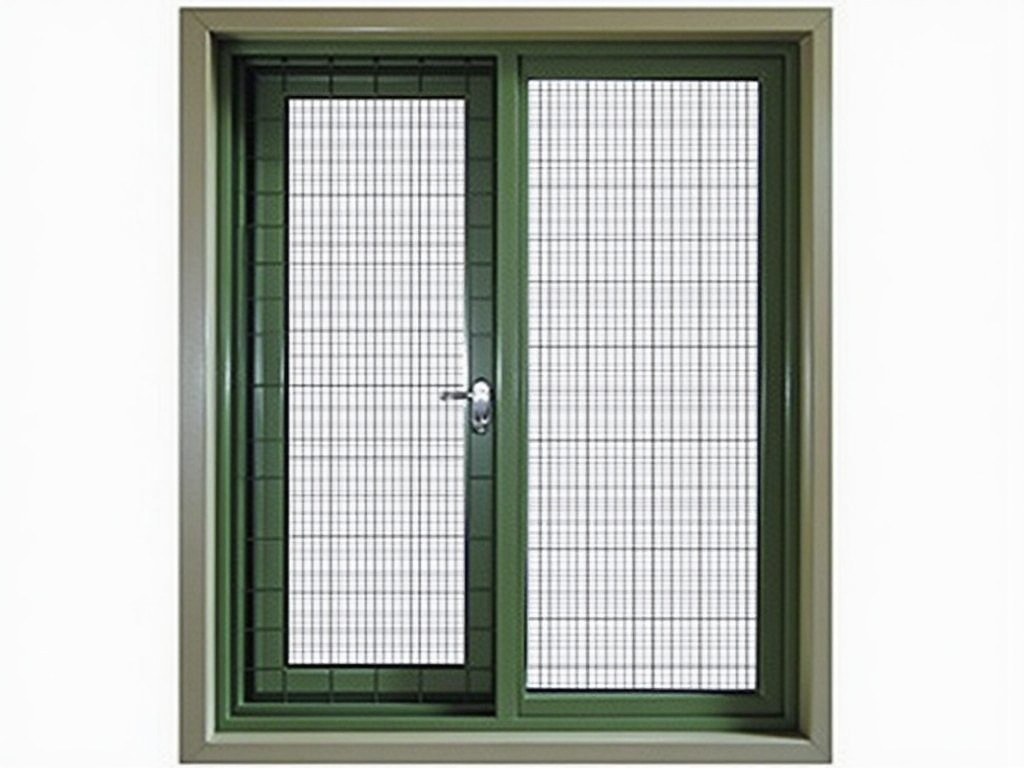
Metal Security Window Screen Suppliers: Technical Specifications and Selection Criteria
Industrial security window screens are engineered to provide physical intrusion resistance while maintaining visibility, ventilation, and daylight transmission. Unlike standard insect screens, these systems are designed to withstand forced entry attempts, impact loads, and environmental exposure over extended service lives. Selection requires evaluation of material properties, frame integration, fastening methods, and compliance with relevant security standards.
Suppliers of metal security window screens typically offer products based on stainless steel, aluminum alloys, or coated carbon steel, each with distinct mechanical and corrosion resistance characteristics. The effectiveness of the screen depends not only on the mesh material but also on the frame design, anchoring system, and compatibility with the host structure. Buyers must assess these factors collectively to ensure long-term performance under expected threat levels and environmental conditions.
Material Properties and Performance Characteristics
Stainless steel mesh, particularly grades 304 and 316, is commonly used in high-security applications due to its tensile strength (typically 500–750 MPa for 304, 520–800 MPa for 316) and excellent resistance to atmospheric and chemical corrosion. Grade 316 includes molybdenum, enhancing resistance to chlorides, making it suitable for coastal or industrial environments. Wire diameter typically ranges from 0.8 mm to 1.5 mm, with aperture sizes between 4 mm × 4 mm and 8 mm × 8 mm, balancing security and airflow.
Aluminum alloy screens, often using 5052 or 6061-T6, offer a strength-to-weight advantage, with tensile strengths around 170–310 MPa depending on temper and alloy. While lighter and easier to handle, aluminum has lower inherent strength than steel and may require thicker wires or closer support spacing to achieve equivalent impact resistance. Surface treatments such as anodizing or powder coating improve corrosion resistance and surface hardness.
Coated carbon steel options, such as galvanized or PVC-coated steel, provide a cost-effective solution for moderate-security applications. Galvanization (typically Z275 coating) offers sacrificial protection, while PVC coating adds a barrier against moisture and UV degradation. However, these materials are more susceptible to localized damage at coating defects and generally have shorter service lives in aggressive environments compared to stainless steel.
Mesh Design and Structural Integrity
The geometric configuration of the mesh significantly influences both security performance and airflow. Square or rectangular apertures are standard, with smaller openings increasing resistance to tool insertion but reducing open area. A 6 mm × 6 mm aperture with 1.0 mm wire typically provides approximately 64% open area, while reducing aperture to 4 mm × 4 mm with the same wire drops open area to about 44%. Designers must balance intrusion resistance with ventilation and visibility requirements.
Mesh attachment to the frame is critical. Common methods include spline retention (using a flexible cord in a frame groove), mechanical clamping (via screws or rivets through flanges), or welding (for permanent installations). Spline systems allow for replacement but may loosen under cyclic loading. Welded joints provide the highest shear resistance but complicate maintenance. Frame material must be compatible with the mesh to avoid galvanic corrosion, especially when dissimilar metals are in contact.
Reinforcement strategies such as perimeter framing, intermediate mullions, or curved profiles increase rigidity and resist deflection under load. For high-risk applications, screens may be tested to standards like LPS 1175 (UK), SR 2 (Sweden), or ASTM F1233 (US), which evaluate resistance to manual and tool-assisted entry. Suppliers should provide test reports or certification documents relevant to the intended security level.
Frame Systems and Installation Considerations
Frames are typically extruded from aluminum or formed from steel, designed to accommodate the screen mesh while providing structural support and weather sealing. Aluminum frames (e.g., 6063-T5) offer corrosion resistance and ease of fabrication, with common depths ranging from 25 mm to 50 mm to allow for adequate mesh tension and glazing rebates. Steel frames, though stronger, require protective coatings and are heavier, affecting handling and anchoring.
Installation methods vary by application: surface-mounted frames are fastened to the building substrate using anchors or screws; recessed installations sit within the window opening, often requiring precise measurements; and operable versions include hinges or sliding mechanisms for emergency egress or maintenance access. Each method impacts the screen’s ability to transfer loads to the structure and resist prying or lifting forces.
Weather sealing is essential to prevent water ingress and air leakage. Common approaches include EPDM gaskets, brush seals, or silicone sealants at the frame-to-wall and frame-to-mesh interfaces. Compatibility between sealant materials and screen components must be verified to avoid degradation over time. Proper drainage paths should be incorporated to prevent water accumulation behind the screen.
Customization Options and Engineering Support
Security window screens are rarely off-the-shelf components; they are typically engineered to match specific opening dimensions, architectural profiles, and performance requirements. Suppliers commonly offer customization in mesh type, wire diameter, aperture size, frame material, finish color (via powder coating or anodizing), and hardware integration. Precise templating or digital measurement is often required to ensure fit, especially in retrofit scenarios with non-standard openings.
Engineering support from suppliers may include load calculations, deflection analysis, corrosion risk assessment, and assistance with compliance documentation. For projects involving heritage buildings or strict aesthetic controls, options such as powder-coated finishes in RAL colors, slim-profile frames, or low-reflectivity meshes can help maintain visual compatibility. Some suppliers provide mock-ups or prototypes for approval before full production.
Packaging and logistics are also part of the supply chain consideration. Screens are typically crated or palletized with edge protection to prevent bending or mesh damage during transit. For export shipments, vapor inhibitors and desiccants may be included to mitigate moisture exposure. Clear labeling with part numbers, project references, and handling instructions reduces installation errors and facilitates quality control upon receipt.
| Material | Typical Tensile Strength (MPa) | Corrosion Resistance | Common Applications |
|---|---|---|---|
| Stainless Steel 304 | 500–750 | Good (urban/rural) | Commercial, residential, institutional |
| Stainless Steel 316 | 520–800 | Excellent (marine/industrial) | Coastal, chemical, high-humidity zones |
| Aluminum 6061-T6 | 290–310 | Moderate (with coating) | Lightweight, operable, low-rise |
| Galvanized Steel | 350–550 | Moderate (Z275 coating) | Cost-sensitive, temporary, indoor |
When evaluating suppliers, technical buyers should request documentation that includes material certifications (e.g., mill test reports for stainless steel), mesh specifications (wire diameter, aperture, tensile strength), frame extrusion details, and any third-party test reports related to impact or intrusion resistance. Suppliers who provide detailed engineering data, rather than relying on general claims, demonstrate a commitment to transparency and technical accountability.
Lead times for custom security screens typically range from 3 to 6 weeks, depending on complexity, material availability, and finishing requirements. Expedited options may be available for standard sizes or stocked materials. Sampling protocols vary; some suppliers offer physical samples or digital simulations to validate fit and appearance before full production. Clear communication of tolerances, mounting requirements, and maintenance expectations helps prevent field issues and ensures long-term performance.
For technical inquiries, custom specifications, or project consultations, contact our engineering team to discuss your security screening requirements.
Submit Inquiry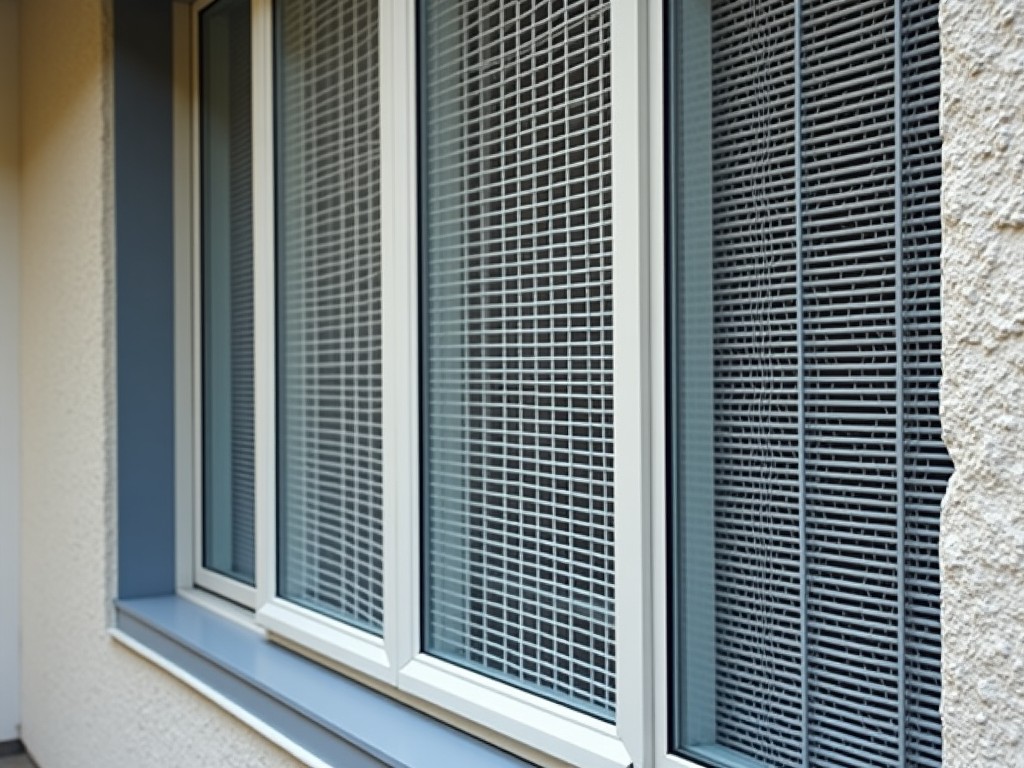
More Products
Send Inquiry
If you are interested in our products, leave your information here and we will be in touch shortly.