Metal Sheet With Small Holes Suppliers
Perforated metal sheets with small holes are engineered components used across manufacturing, filtration, ventilation, and architectural sectors. The precision of hole size, pattern, and open area
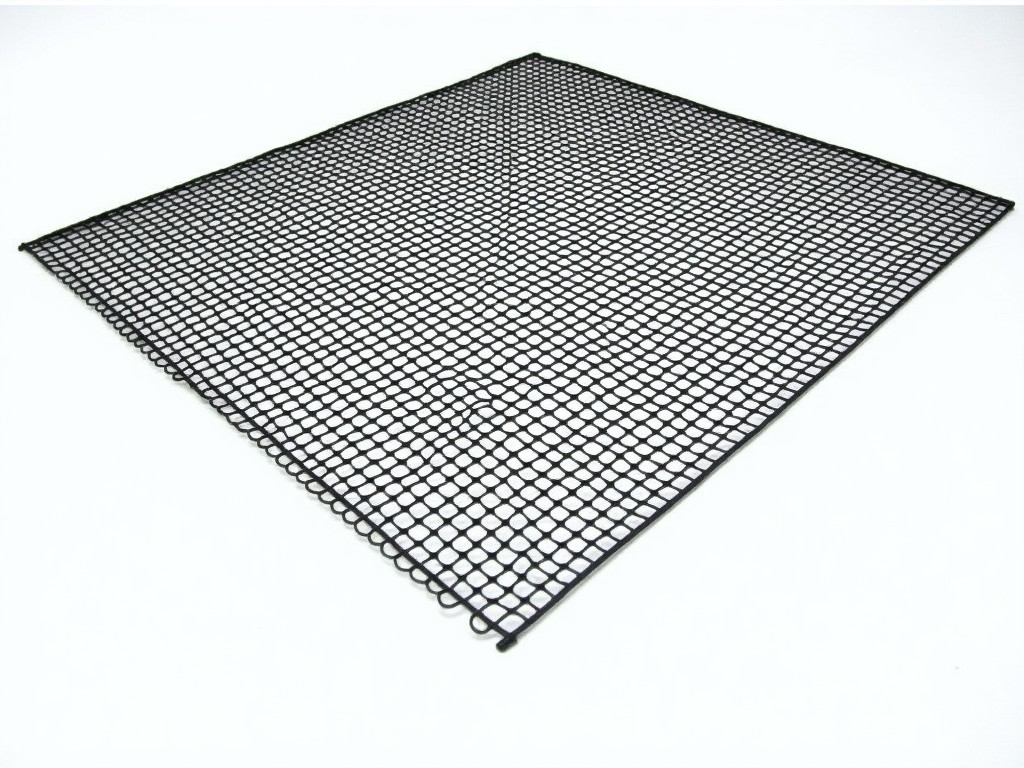
Metal Sheet with Small Holes: Perforated Metal for Industrial Applications
Perforated metal sheets with small holes are engineered components used across manufacturing, filtration, ventilation, and architectural sectors. The precision of hole size, pattern, and open area directly influences airflow, light transmission, structural integrity, and particle retention—making supplier selection critical for functional performance.
How Perforation Parameters Affect Function
Hole diameter, pitch (center-to-center spacing), and pattern arrangement determine the open area percentage—a key metric for airflow or liquid flow capacity. For example, a 1.5 mm hole on a 3 mm staggered pitch yields approximately 25% open area, suitable for light filtration or decorative screening. Tighter pitches increase structural strength but reduce flow; larger holes enhance throughput but may compromise sheet rigidity under load.
Material thickness interacts with hole size to prevent deformation during punching. Thin gauges (0.5–1.0 mm) with holes under 2 mm risk tearing or burring without proper tooling and support. Thicker materials (>2.0 mm) require higher punch forces and may exhibit edge roll-over, necessitating secondary deburring for applications demanding smooth surfaces, such as food processing or semiconductor handling.
Material Selection Based on Environmental and Mechanical Demands
Carbon steel is commonly used for indoor structural components due to its strength and cost-effectiveness, but requires coating (e.g., galvanizing or powder coating) to resist corrosion in humid environments. Stainless steel grades 304 and 316 are preferred for outdoor, chemical, or sanitary applications—316 offering superior chloride resistance for marine or food-processing settings. Aluminum provides lightweight alternatives with natural oxide layer protection, ideal for HVAC diffusers or automotive vents where weight reduction is prioritized.
Brass and copper perforated sheets are specified in applications requiring antimicrobial properties or electrical conductivity, such as EMI shielding or architectural touch surfaces. Nickel alloys may be selected for high-temperature exhaust systems where oxidation resistance at elevated temperatures is essential. Each material responds differently to punching forces, affecting hole edge quality and dimensional tolerance.
Standard and Custom Hole Patterns for Specific Use Cases
Common patterns include round, square, slotted, and hexagonal arrangements, each serving distinct functional roles. Round holes offer uniform flow distribution and are easiest to tool, making them dominant in filtration and acoustics. Square patterns provide higher open area at equivalent pitch and are used in battery electrode substrates or solar collector backs where maximizing light or ion transfer is critical. Slotted holes enhance directional flow control, beneficial in air knives or liquid distributors.
Custom patterns—such as graduated hole sizes, variable pitch, or logo-based designs—are available for specialized functions like phased fluid distribution, sound diffusion grading, or brand integration in architectural panels. These require CNC punching or laser perforation, increasing lead time and cost but enabling precision unattainable with mechanical stamping alone.
Typical Specifications and Ranges
| Parameter | Typical Range | Notes |
|---|---|---|
| Hole Diameter | 0.5 mm – 6.0 mm | Smaller diameters require tighter pitch control |
| Sheet Thickness | 0.3 mm – 6.0 mm | Thin sheets need backing support during punching |
| Open Area | 10% – 60% | Dependent on hole size and pattern |
| Standard Widths | 1000 mm, 1250 mm, 1500 mm | Custom widths available via slitting |
| Length | Coil or cut-to-length (up to 6000 mm) | Limited by handling and transport constraints |
Quality Control and Inspection Criteria
Dimensional verification focuses on hole diameter tolerance (±0.05 mm for precision applications), pitch consistency, and positional accuracy across the sheet. Laser measurement or vision systems are used to detect missing holes, burrs, or deformation—particularly important in medical filter discs or semiconductor wafer carriers where blockage or contamination risks must be minimized.
Flatness is assessed using straight-edge and feeler gauge methods or optical scanners, with typical tolerances ranging from 3–5 mm/m depending on material and thickness. Excessive curl or warp can interfere with automated assembly or sealing in enclosures. Edge condition is inspected for burr height and sharpness; deburring or vibratory finishing is applied when handling safety or seal integrity is a concern.
Material test reports (MTRs) and coating thickness measurements (e.g., zinc weight for galvanization) are provided upon request. For regulated industries, suppliers may offer traceability documentation linking raw material lot to finished product, supporting audit compliance in aerospace or pharmaceutical supply chains.
Applications Where Perforation Precision Matters
In industrial filtration, small-hole perforated sheets act as support layers for filter media, preventing collapse under differential pressure while maintaining flow uniformity. The hole size must be smaller than the largest contaminant particle to be retained but large enough to avoid premature clogging—often requiring application-specific testing to optimize.
Acoustic panels use perforated metal as a facing over absorbent cores; hole size and open area are tuned to target specific frequency ranges for noise reduction in machinery enclosures or architectural spaces. Too small a hole attenuates high frequencies excessively; too large reduces absorption efficiency at mid-tones.
Architectural applications such as sunscreens, facades, or interior partitions leverage perforation for visual transparency, daylight modulation, and decorative patterning. Here, the aesthetic consistency of hole shape and alignment across panels is as important as functional performance, requiring tight control over punching repeatability.
Supplier Evaluation: Technical and Logistical Considerations
When assessing suppliers, evaluate their tooling capabilities—particularly minimum hole size achievable without burring, maximum sheet width processed, and availability of secondary services like leveling, deburring, or coating. In-house tooling reduces lead time for custom patterns; reliance on external job shops increases variability and scheduling risk.
Ask about material certification practices, nesting efficiency to minimize waste, and packaging methods to prevent corrosion or mechanical damage during transit. For export shipments, vapor-corrosion inhibitors (VCI) and moisture-barrier wrapping are standard for steel and aluminum. Request samples with documented hole measurements and edge condition to verify process control before placing volume orders.
Lead times vary: standard stock perforated sheets may ship in 3–5 days; custom punching typically requires 2–4 weeks depending on material availability and tooling readiness. Clearly specifying hole diameter, pattern, open area, material grade, thickness, and finish at quotation stage avoids misinterpretation and revision cycles.
To initiate a technical discussion or request a quote for perforated metal sheets with specific hole characteristics, provide your application parameters—including required open area, environmental exposure, and mechanical load expectations. Visit the inquiry page to submit your specifications for engineer review.
Request Technical Quote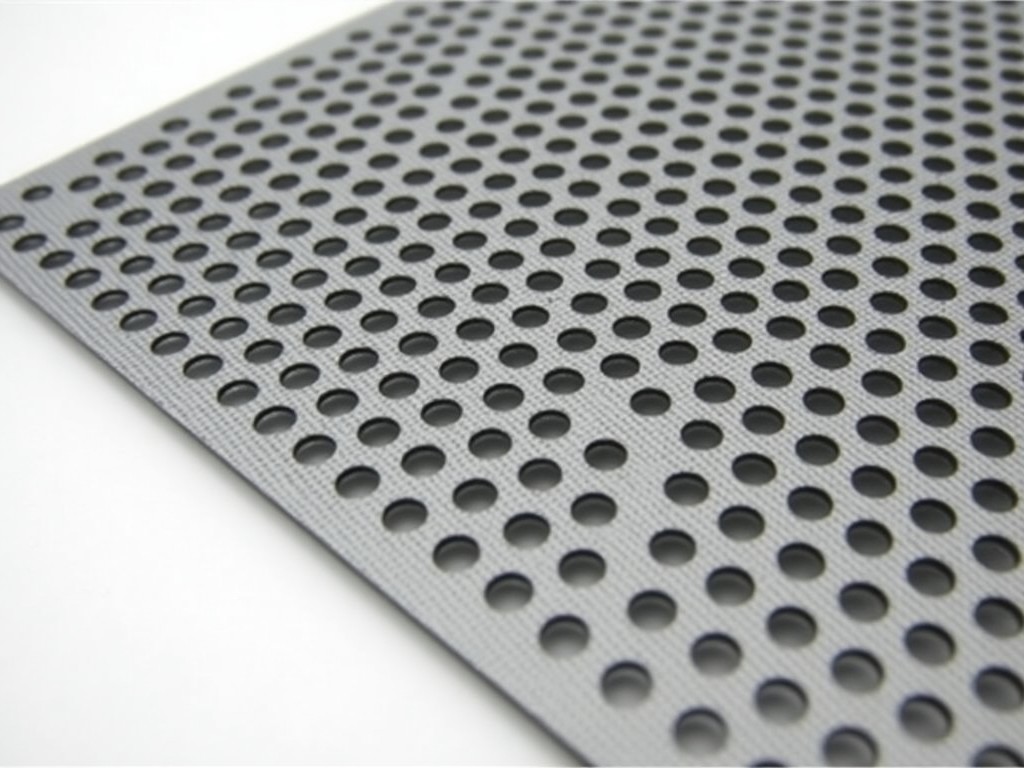
More Products

Send Inquiry
If you are interested in our products, leave your information here and we will be in touch shortly.