Metal Steamer Basket How To Use
A metal steamer basket is a perforated container designed to hold food or materials above boiling liquid, allowing steam to circulate evenly. In industrial settings, these baskets are commonly used
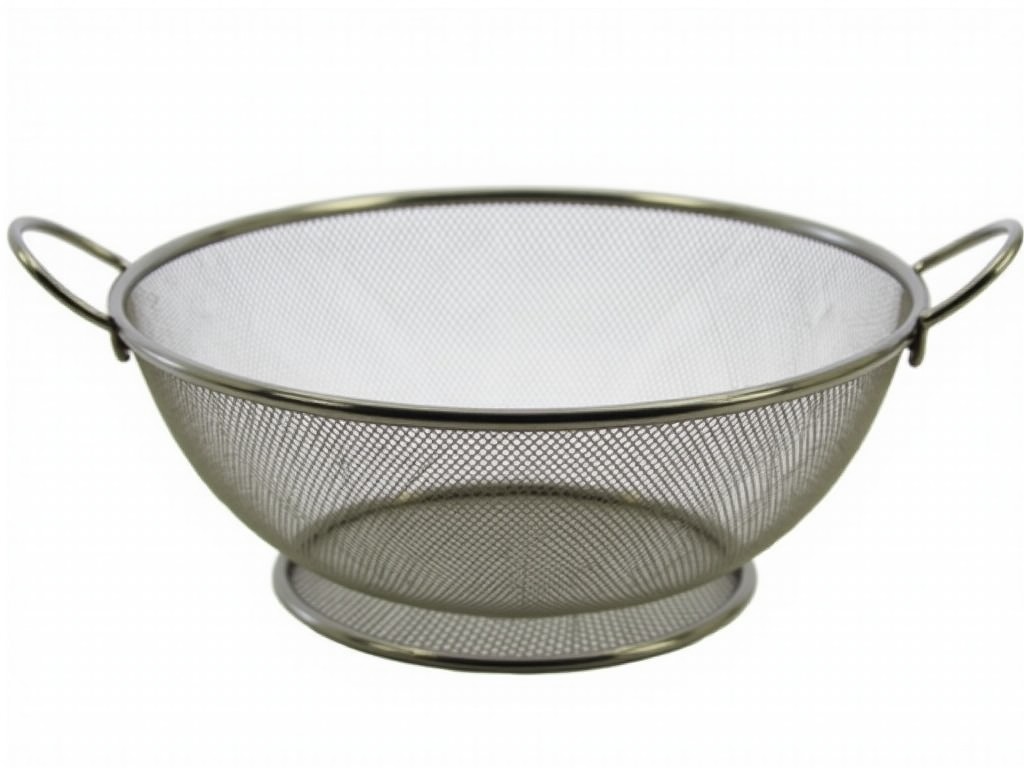
Metal Steamer Basket: Proper Usage Techniques for Industrial Applications
A metal steamer basket is a perforated container designed to hold food or materials above boiling liquid, allowing steam to circulate evenly. In industrial settings, these baskets are commonly used for blanching vegetables, sterilizing equipment, or processing food products in large-scale kitchens, canneries, and food processing plants. Proper usage ensures consistent results, prevents product damage, and maintains hygiene standards critical to food safety regulations.
The effectiveness of a metal steamer basket depends on correct positioning, load distribution, and material compatibility with the steaming environment. Stainless steel grades 304 and 316 are most common due to their resistance to corrosion from steam and food acids. Basket design—including hole size, wall height, and handle configuration—directly impacts steam flow and product exposure. Understanding these factors allows operators to optimize steaming cycles for efficiency and quality.
Step-by-Step Usage Procedure
Begin by selecting a steamer basket that fits securely within your steamer vessel without touching the sides or bottom. A minimum clearance of 25 mm between the basket and vessel walls ensures unrestricted steam circulation. Verify that the basket’s feet or supports elevate it at least 50 mm above the boiling liquid level to prevent direct contact with water, which could cause uneven heating or product saturation.
Load the basket uniformly, avoiding overfilling that blocks steam penetration. For dense products like potatoes or meat pieces, fill no more than 50% of the basket’s volume to allow adequate steam flow. For lighter items such as leafy greens or seafood, filling up to 75% is acceptable. Distribute the load evenly across the base to prevent tilting or shifting during operation, which could lead to spillage or uneven processing.
Place the loaded basket into the preheated steamer, ensuring the lid seals properly to maintain pressure and temperature. Monitor steam output throughout the cycle—consistent visible vapor indicates proper function. Adjust heat input as needed to maintain a steady boil without violent bubbling, which can agitate delicate products. Use heat-resistant gloves when handling the basket during loading, unloading, or mid-cycle checks.
Material and Design Considerations
Stainless steel 304 is suitable for most food steaming applications, offering good corrosion resistance at a lower cost. For environments with high chloride exposure—such as when steaming seafood or using chlorinated cleaning agents—grade 316 provides superior resistance to pitting and crevice corrosion. Both grades withstand repeated steam cycles at temperatures up to 120°C without degradation.
Hole diameter typically ranges from 3 to 6 mm, balancing steam permeability with product retention. Smaller holes (3 mm) are ideal for fine particulates like rice or small legumes, while larger holes (6 mm) suit bulkier items such as corn cobs or whole vegetables. Wall height affects capacity and stability; taller walls (100–150 mm) increase volume but may impede steam flow if overloaded. Handles should be welded, not riveted, to eliminate crevices where contaminants can accumulate.
Basket geometry influences steam distribution. Round baskets promote even flow in cylindrical steamers, while rectangular designs maximize space in compartmentalized units. Some models feature perforated bases with tapered holes to prevent clogging. Electropolished finishes reduce surface roughness, improving cleanability and reducing bacterial adhesion—important for meeting FDA and ISO 22000 standards.
Common Operational Mistakes to Avoid
- Placing the basket directly in boiling water, causing product leaching and uneven cooking.
- Overloading the basket, which blocks steam channels and increases processing time inconsistently.
- Using abrasive cleaners or steel wool, which can scratch the passive oxide layer and initiate corrosion.
- Neglecting to dry the basket after washing, leading to water spotting or microbial growth in humid storage.
- Mixing dissimilar metals in the steamer (e.g., aluminum basket in stainless steel vessel), risking galvanic corrosion.
Maintenance and Inspection Guidelines
After each use, disassemble removable parts (if applicable) and wash with warm water and neutral pH detergent. Avoid chlorinated cleaners unless followed by thorough rinsing, as residual chlorine can degrade stainless steel over time. Inspect the basket for dents, bent handles, or enlarged perforations caused by mechanical impact—any deformation that alters hole size or structural integrity should prompt repair or replacement.
Perform a weekly visual check for signs of pitting, especially along weld seams and the base where moisture may pool. Use a flashlight to examine hole edges for burrs or sharp edges that could damage delicate products. For critical applications, conduct monthly passivation tests using copper sulfate solution to verify the integrity of the chromium oxide layer. Store baskets in a dry, ventilated area away from direct contact with other metals to prevent galvanic transfer.
Lubricate hinge or folding mechanisms (if present) with food-grade silicone grease only—never petroleum-based lubricants. Replace gaskets or seals on lids annually, even if they appear intact, to maintain steam retention efficiency. Document all inspections and maintenance activities in a logbook to support audit trails for HACCP or ISO 22000 compliance.
| Parameter | Typical Range | Impact on Performance |
|---|---|---|
| Basket Material | SS 304 or SS 316 | Corrosion resistance and food compatibility |
| Hole Diameter | 3–6 mm | Steam flow rate and product retention |
| Wall Height | 75–150 mm | Volume capacity and steam exposure uniformity |
| Clearance from Vessel | ≥25 mm sides, ≥50 mm bottom | Unrestricted steam circulation and prevent boiling contact |
| Maximum Load Density | 50–75% of volume (by product type) | Even heating and prevent blockage of steam paths |
Application-Specific Adjustments
In vegetable blanching lines, baskets are often used in counterflow systems where steam moves opposite to product travel. Here, basket hole size must be calibrated to prevent small pieces from falling through while allowing sufficient steam velocity to achieve target core temperatures within 60–90 seconds. Operators may adjust blast time based on basket fill level—reducing time by 15% when baskets are loaded to 50% capacity versus 75% to avoid overprocessing.
For seafood steaming, where product integrity is paramount, baskets with 4 mm holes and electropolished interiors minimize surface damage. The basket is typically loaded in a single layer to ensure uniform steam penetration, and steaming cycles are shortened by 20–30% compared to vegetables due to seafood’s lower thermal mass. Post-steam, baskets are immediately transferred to ice water chill tanks to halt residual cooking.
In equipment sterilization baskets used for utensils or trays, hole size is increased to 6–8 mm to maximize steam exposure to surfaces. Baskets are designed with open frames and minimal solid surfaces to reduce shadowing. Cycle validation requires biological indicators placed at multiple points within the basket to confirm lethality—typically 121°C for 15 minutes—and results are logged per load.
To discuss custom metal steamer basket configurations for your specific processing line, including material grade, hole pattern, dimensions, or handle design, contact our technical team. Provide your steamer vessel specifications, product type, target steam temperature, and cycle time for a precise engineering review.
More Products

Send Inquiry
If you are interested in our products, leave your information here and we will be in touch shortly.