Metal Strainer Basket With Handle
Strainer baskets with handles are designed for manual or semi-automated removal of particulates from liquid or slurry streams in industrial processes. The integrated handle enables safe, ergonomic
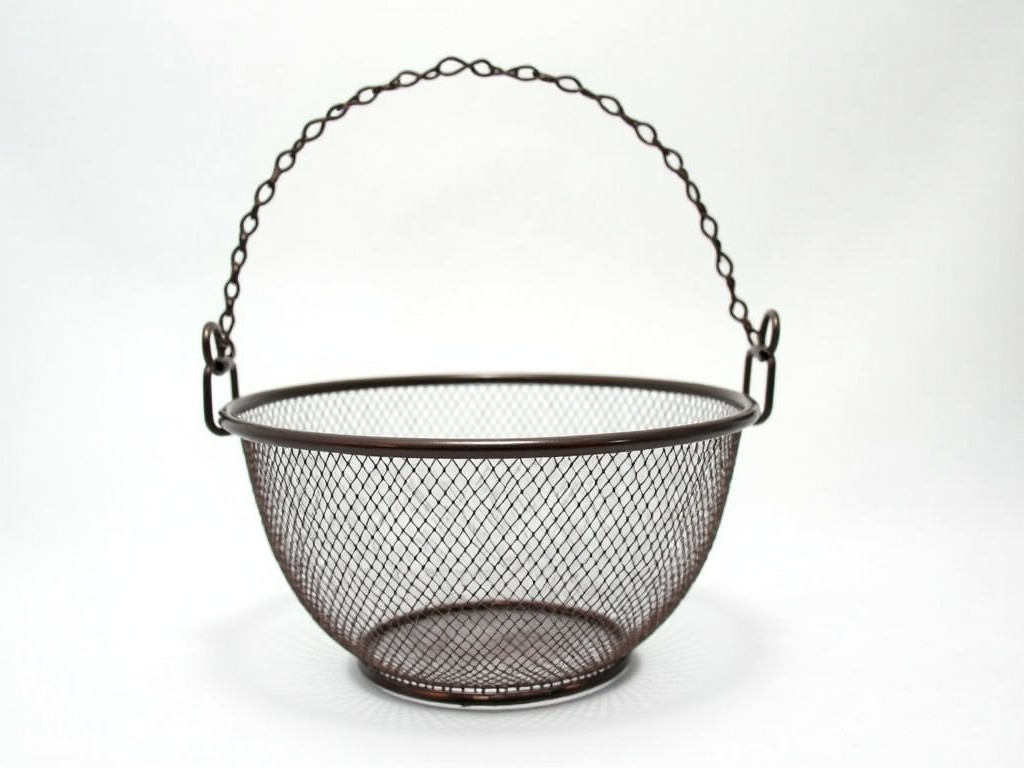
Metal Strainer Basket with Handle
Strainer baskets with handles are designed for manual or semi-automated removal of particulates from liquid or slurry streams in industrial processes. The integrated handle enables safe, ergonomic lifting during cleaning, maintenance, or product changeover without requiring additional tools or lifting equipment. This configuration is particularly valuable in batch processing environments where frequent access to the straining element is necessary.
Construction Materials and Compatibility
The basket body and handle are typically fabricated from stainless steel grades selected based on chemical exposure, temperature, and mechanical load requirements. Grade 304 is suitable for general water, food, and mild chemical applications up to 400°F (204°C). For higher corrosion resistance in acidic, saline, or elevated temperature environments, 316L stainless steel is commonly specified due to its molybdenum content, which improves resistance to pitting and crevice corrosion. Handle design matches the basket material to ensure galvanic compatibility and uniform thermal expansion.
Mesh Specification and Filtration Performance
Filtration efficiency is determined by the mesh count, wire diameter, and open area percentage of the straining medium. Common mesh ranges from 20 to 325 mesh, with corresponding micron ratings between 840 µm and 44 µm. The open area typically ranges from 30% to 50%, affecting pressure drop and flow capacity. For viscous fluids or high-solids loads, lower mesh counts (e.g., 20–80 mesh) are preferred to minimize clogging, while finer meshes (100–325 mesh) are used for precision filtration in pharmaceutical, chemical, or electronics manufacturing.
Handle Design and Ergonomic Considerations
The handle is welded or mechanically fastened to the basket rim to withstand repeated lifting loads, typically rated for safe manual handling of up to 50 lbs (23 kg) when loaded with wet solids. Handle geometry—such as offset, bowed, or vertical loop configurations—is selected based on vessel access constraints, clearance requirements, and operator safety. In high-temperature applications, handles may include heat shields or be designed for use with insulated gloves. All welds are inspected for continuity and stress concentration points to prevent fatigue failure.
Typical Industrial Applications
These strainer baskets are used in batch reactors, mixing tanks, and filtration housings where temporary or intermittent straining is required. In food processing, they remove debris from blanching water, syrup, or brine solutions prior to filling. In chemical plants, they capture catalyst particles or polymer gels during reactor dumping. In wastewater pretreatment, they screen large solids before pumping to protect downstream equipment. The handle allows operators to quickly remove, clean, and reinstall the basket during shift changes or product transitions, reducing downtime and cross-contamination risk.
Quality Control and Manufacturing Standards
Each basket undergoes dimensional verification of basket diameter, depth, mesh alignment, and handle attachment strength. Mesh integrity is checked using light transmission or bubble point testing to confirm pore size uniformity and absence of defects. Welds are visually inspected per ASME Section IX standards, with dye penetrant or magnetic particle testing available upon request for critical applications. Final cleaning removes oils, particulates, and passivation residues to meet hygienic or process purity requirements.
Customization Options
Baskets can be tailored to specific process vessels with custom diameters, depths, and flange or rim configurations to ensure proper seating. Mesh type—square weave, Dutch twill, or perforated plate—can be selected based on flow dynamics and particle shape. Handles can be repositioned, lengthened, or fitted with grips for improved leverage. Additional features include lift lugs for crane handling, quick-release clamps, or integrated gaskets for sealing against the housing. All customizations are engineered to maintain structural integrity and process compatibility.
| Parameter | Typical Range / Option |
|---|---|
| Material | 304 SS, 316L SS (custom alloys available) |
| Mesh Size | 20–325 mesh (840–44 µm) |
| Open Area | 30–50% |
| Handle Load Rating | Up to 50 lbs (23 kg) manual lift |
| Temperature Limit | Up to 800°F (427°C) for 316L SS |
| Diameter Range | 2–24 inches (custom sizes available) |
| Depth Range | 1–12 inches (custom depths available) |
For technical inquiries, material selection support, or to request a quotation with detailed drawings, contact our engineering team. Provide your process fluid, temperature, pressure, particle size, and vessel dimensions to ensure accurate configuration.
Request Technical Consultation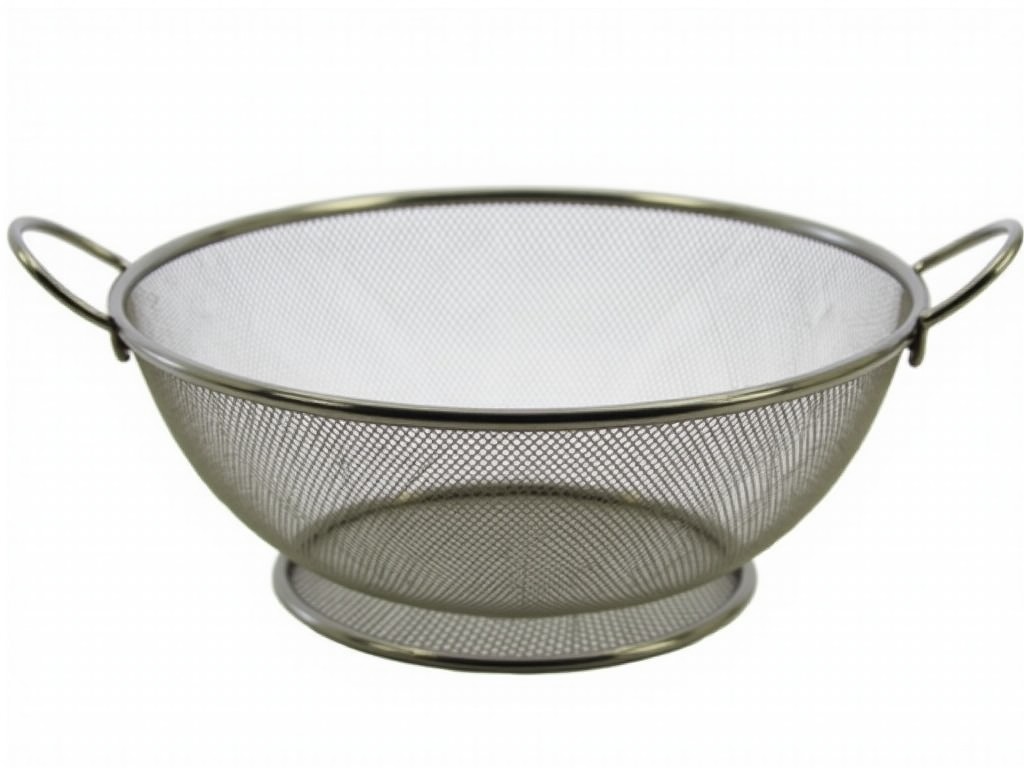
More Products

Send Inquiry
If you are interested in our products, leave your information here and we will be in touch shortly.