Micro Expanded Metal Mesh Top Supplier
Micro expanded metal mesh is a precision-engineered material produced by simultaneously slitting and stretching a solid metal sheet to create a uniform array of interconnected strands and openings.
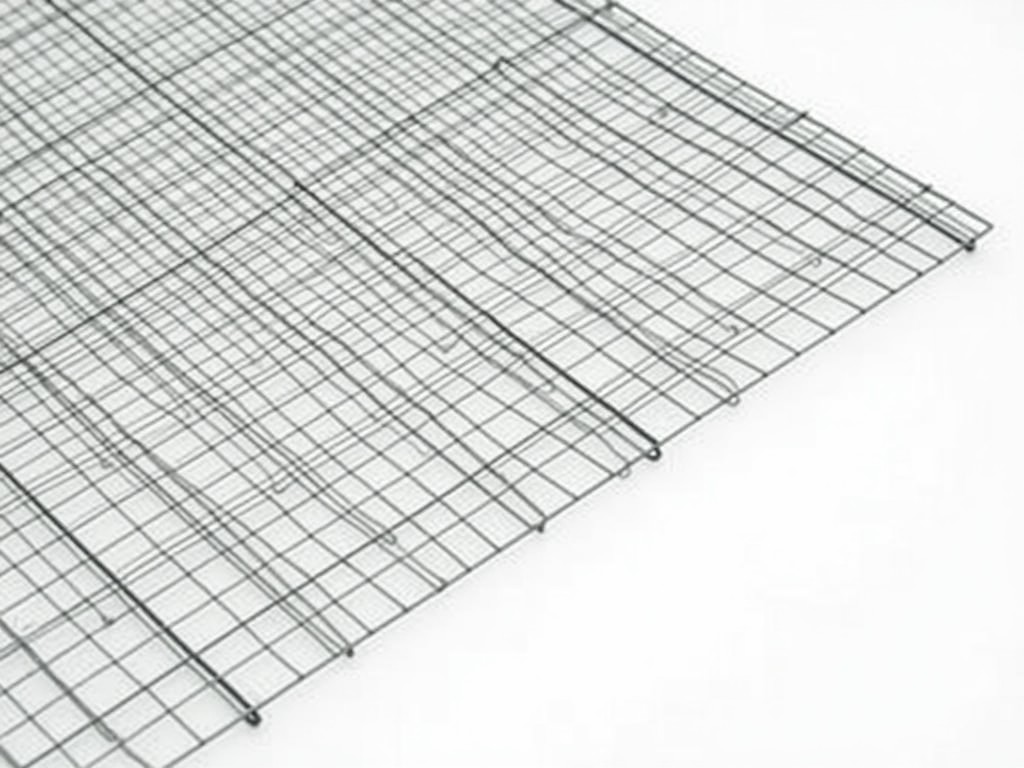
Micro Expanded Metal Mesh: Technical Specifications and Supplier Selection Criteria
Micro expanded metal mesh is a precision-engineered material produced by simultaneously slitting and stretching a solid metal sheet to create a uniform array of interconnected strands and openings. Unlike woven or perforated alternatives, this process generates a monolithic structure with no welds, joints, or weak points, resulting in inherent mechanical integrity and consistent open area distribution. The term "micro" refers to strand thicknesses typically below 0.5 mm and opening sizes ranging from 0.5 mm to 5 mm, enabling fine filtration, precise shielding, and detailed structural support in confined spaces.
Material selection directly influences performance characteristics: stainless steel grades (304, 316L) offer corrosion resistance in humid or chemical environments; aluminum provides lightweight properties with good conductivity; carbon steel delivers high tensile strength for load-bearing applications when coated or plated. The expansion ratio—defined as the ratio of final sheet area to original blank area—controls open percentage and strand geometry, allowing engineers to tailor airflow, light transmission, or particle retention without secondary processing.
Key Engineering Parameters for Specification
When specifying micro expanded metal mesh, engineers prioritize five interdependent dimensions: nominal strand width (thickness of the metal strand), nominal strand thickness (width perpendicular to the plane of the sheet), short way of design (SWD - distance between opposite inner edges of openings measured perpendicular to the flow of expansion), long way of design (LWD - distance measured parallel to the expansion flow), and open area percentage (the ratio of open void to total surface area). These parameters are not independent; altering one affects the others due to the constant volume principle inherent in the expansion process.
For example, reducing SWD to increase filtration precision while maintaining the same open area requires proportional adjustments to strand dimensions or LWD. Similarly, increasing open area for enhanced airflow typically reduces structural rigidity unless compensated by thicker strands or alternative alloy selection. Suppliers must provide detailed nominal dimensions with tolerance bands—commonly ±0.05 mm for strand thickness and ±0.1 mm for SWD/LWD in micro ranges—to ensure repeatability in automated assembly or precision mounting.
Tolerance stacking becomes critical in applications like EMI shielding gaskets or microfluidic faceplates where cumulative deviations across multiple mesh layers can compromise functionality. Requesting actual measurement reports from supplier validation runs, rather than relying solely on nominal catalog values, reduces risk in high-precision integration.
Material-Specific Performance Considerations
Stainless steel 316L micro mesh exhibits superior pitting resistance in chloride-rich environments compared to 304 due to molybdenum content, making it suitable for marine exposure or chemical processing equipment. However, its work hardening rate during expansion is higher, potentially limiting achievable open percentages without intermediate annealing. Aluminum alloys like 5052-H32 offer approximately one-third the density of steel with comparable tensile strength in the tempered state, advantageous for aerospace weight-sensitive enclosures, but exhibit lower surface hardness and greater susceptibility to abrasive wear.
Carbon steel (e.g., AISI 1008) micro mesh provides the highest strength-to-cost ratio but requires surface treatment—such as zinc plating, passivation, or polymer coating—to mitigate oxidation. The choice of coating must align with service temperature; for instance, standard electroplated zinc begins to degrade above 120°C, while powder-coated variants may withstand 200°C+ depending on formulation. Nickel alloys (e.g., Monel 400) are selected for specific corrosion scenarios involving hydrofluoric acid or alkaline solutions where stainless steels suffer stress corrosion cracking, though material cost and expansion difficulty increase significantly.
Suppliers should disclose the base material certification (mill test reports) and any post-expansion treatments applied, as these directly affect long-term stability and compatibility with mating components or environmental conditions.
Manufacturing Consistency and Quality Control
Dimensional stability in micro expanded metal mesh depends on consistent raw sheet thickness, uniform lubrication during expansion, and precise calibration of the expander tooling. Variations in coil tolerance—even within ±0.02 mm—can propagate through the process, causing periodic thick/thin bands in the final product that may not be visible visually but affect performance in optical or fluidic applications. In-line laser width monitoring and automated optical inspection (AOI) systems are increasingly used by advanced suppliers to detect strand width deviations exceeding ±0.03 mm in real time.
Strand bond integrity—the metallurgical connection where strands intersect—is another critical quality factor. Insufficient expansion pressure can result in weak bonds prone to delamination under cyclic loading, while excessive pressure causes necking or tearing. Suppliers conducting bend tests (per ASTM F1624) or tensile tests on bonded junctions provide quantifiable data on structural reliability, whereas reliance solely on visual inspection or "hand feel" offers limited assurance for dynamic load applications.
Batch-to-batch repeatability is further influenced by annealing practices between expansion passes for certain materials. Suppliers should clarify whether their process includes intermediate stress relief and how it is controlled, as uncontrolled annealing can alter grain structure and affect final hardness or magnetic properties.
Typical Applications and Functional Rationale
In electromagnetic interference (EMI) shielding, micro expanded metal mesh functions as a Faraday cage alternative where weight, visibility, or airflow constraints prohibit solid enclosures. The effectiveness depends on opening size relative to the wavelength of concern; for frequencies above 1 GHz, opening dimensions must remain below λ/20 to maintain attenuation >20 dB. Stainless steel 316L mesh with 0.8 mm SWD and 60% open area is commonly specified for radar housing vents or 5G antenna enclosures, balancing signal integrity with environmental sealing.
For filtration and fluid distribution, the uniform open geometry prevents channeling—a common issue in woven meshes where filament displacement creates uneven flow paths. Micro stainless steel mesh with 0.3 mm strand thickness and 1.2 mm SWD achieves 40% open area while retaining particles down to 150 microns under low-pressure drop conditions, making it suitable for inkjet printer manifolds or fuel injector screens where precise flow calibration is essential.
In architectural and decorative applications, micro expanded metal mesh provides tactile texture and light diffusion without obscuring visibility. When used as interior cladding or ceiling panels, aluminum mesh with 0.4 mm strands and 70% open area scatters incident light uniformly while maintaining >85% visual transparency, reducing glare in office spaces while allowing HVAC or lighting integration behind the surface. The absence of weld seams eliminates corrosion traps and simplifies cleaning compared to fabricated perforated alternatives.
Supplier Evaluation: Technical Capability Indicators
Beyond basic catalog offerings, technical buyers should assess a supplier’s process control depth. Key indicators include: in-house tooling design and maintenance capability (affects lead time for custom SWD/LWD), material certification traceability (mill test reports per heat lot), and availability of secondary operations such as precision cutting to tolerance, edge deburring, or surface finishing. Suppliers relying solely on standard rolls without slitting or cutting services may impose unnecessary secondary operations on the buyer, increasing cost and risk of contamination.
Requesting process documentation—such as expansion press calibration logs, inspection frequency for strand width, or correlation between raw coil properties and final product dimensions—reveals operational maturity. Suppliers who can demonstrate statistical process control (SPC) charts for critical dimensions over production runs provide stronger assurance of consistency than those offering only final inspection reports.
Additionally, inquire about sample validation procedures: whether samples are taken from the beginning, middle, and end of a coil to assess longitudinal uniformity, and whether dimensional reports include both nominal values and actual measured ranges. This level of detail distinguishes suppliers focused on process understanding from those prioritizing order fulfillment alone.
Comparison Table: Material Options for Micro Expanded Metal Mesh
| Material | Typical Strand Thickness Range | Corrosion Resistance (Indoor/Outdoor) | Relative Cost Factor | Common Applications |
|---|---|---|---|---|
| Stainless Steel 304 | 0.10 - 0.40 mm | Good / Fair | 1.0x (Baseline) | General enclosures, HVAC screens, light filtration |
| Stainless Steel 316L | 0.10 - 0.40 mm | Excellent / Good | 1.3x | Marine hardware, chemical vents, food processing |
| Aluminum 5052-H32 | 0.15 - 0.50 mm | Fair / Poor (without coating) | 0.9x | Aerospace vents, decorative panels, lightweight shielding |
| Carbon Steel (Cold Rolled) | 0.10 - 0.35 mm | Poor / Very Poor | 0.7x | Internal structural supports, temporary filtration, coated components |
| Nickel 200 / Monel 400 | 0.15 - 0.30 mm | Excellent / Excellent (specific media) | 2.5x - 4.0x | Specialized chemical exposure, alkaline environments, HF resistance |
*Values represent typical ranges for micro expanded metal mesh. Actual properties depend on exact dimensions, temper, and surface treatment. Custom materials and dimensions available upon request.
Customization and Secondary Processing
Suppliers offering value-added services can reduce buyer-side complexity and lead time. Common customizations include: precision laser or waterjet cutting to custom profiles (tolerance ±0.1 mm), edge rolling or hemming to eliminate sharp strands, surface deburring via vibratory or tumbling media, and application of functional coatings such as conductive inks, PTFE impregnation, or anodizing (for aluminum). For integration into assemblies, suppliers may provide pre-forming to shallow bends or curves—typically limited to <15° deformation to avoid strand cracking—or spot welding preparation zones.
When requesting custom lengths or widths, clarify whether the supplier cuts from standard mill rolls or produces to-size via dedicated expansion runs. The latter minimizes edge distortion and ensures uniform properties across the entire piece, critical for applications requiring consistent open area or conductivity. Inquire about minimum order quantities for custom runs; while some suppliers accommodate single-piece prototyping, others require minimums based on coil setup time and material yield.
Packaging method also affects usability: flat-packed sheets with interleaving paper prevent strand entanglement, while rolled packaging risks permanent set or edge damage in thin gauges. Suppliers should specify packaging orientation relative to the expansion direction to avoid misleading dimensional claims upon unrolling.
Quality Assurance and Documentation
Reliable suppliers provide traceable documentation linking the finished product to raw material source and process parameters. This includes: mill test reports (MTRs) for the base metal coil, in-process inspection records for strand width and opening dimensions, and final inspection reports confirming conformance to agreed specifications. For regulated industries, inquire about experience with ISO 9001, IATF 16949, or AS9100 compliance, and whether quality records are retained for the required duration (typically 5-10 years).
Surface cleanliness is often overlooked but critical in applications like medical device manifolds or semiconductor equipment. Ask about post-expansion cleaning protocols—ultrasonic, alkaline, or solvent-based—and whether particulate or residue limits are validated (e.g., via gravimetric analysis or contact angle measurement). Suppliers who can provide cleanliness certification or demonstrate understanding of ISO 14644-1 class requirements for particulate control add value beyond basic dimensional conformity.
Finally, clarify revision control for specifications: whether the supplier maintains a documented history of specification changes and communicates revisions proactively. This prevents mismatched expectations in long-term supply agreements where subtle process drift could accumulate over multiple lots.
For technical consultation on micro expanded metal mesh selection, custom specifications, or application-specific engineering support, contact our technical team to discuss your project requirements.
Request Technical Specification Sheet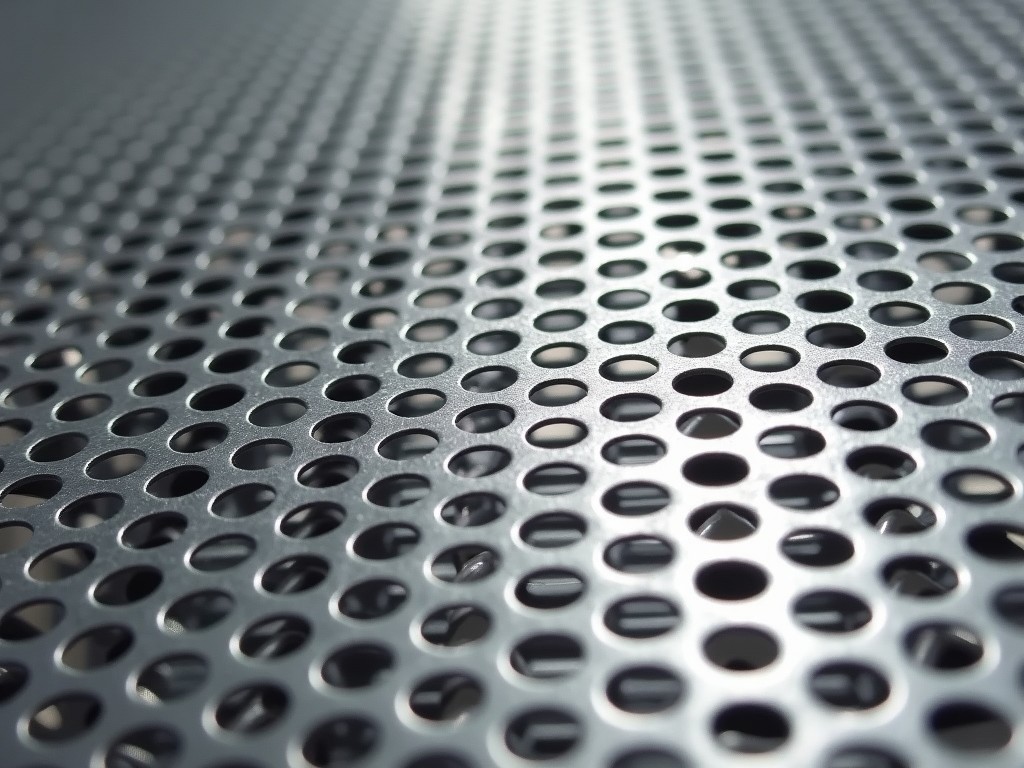
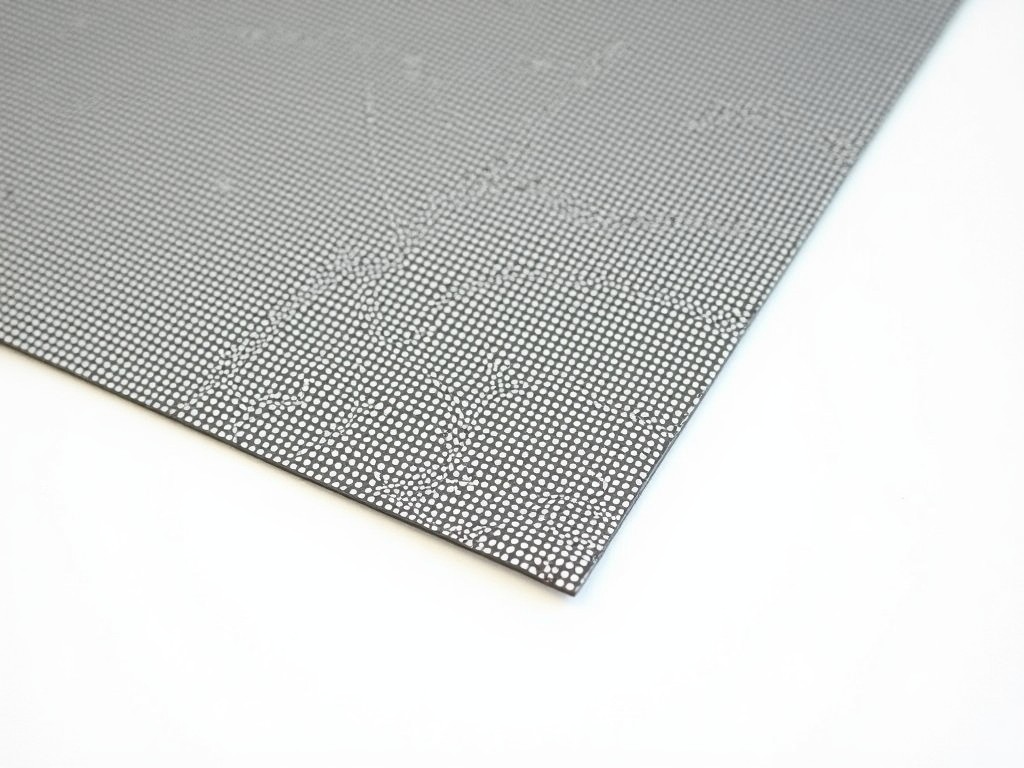
More Products

Send Inquiry
If you are interested in our products, leave your information here and we will be in touch shortly.