Micro Perforated Aluminum Sheet
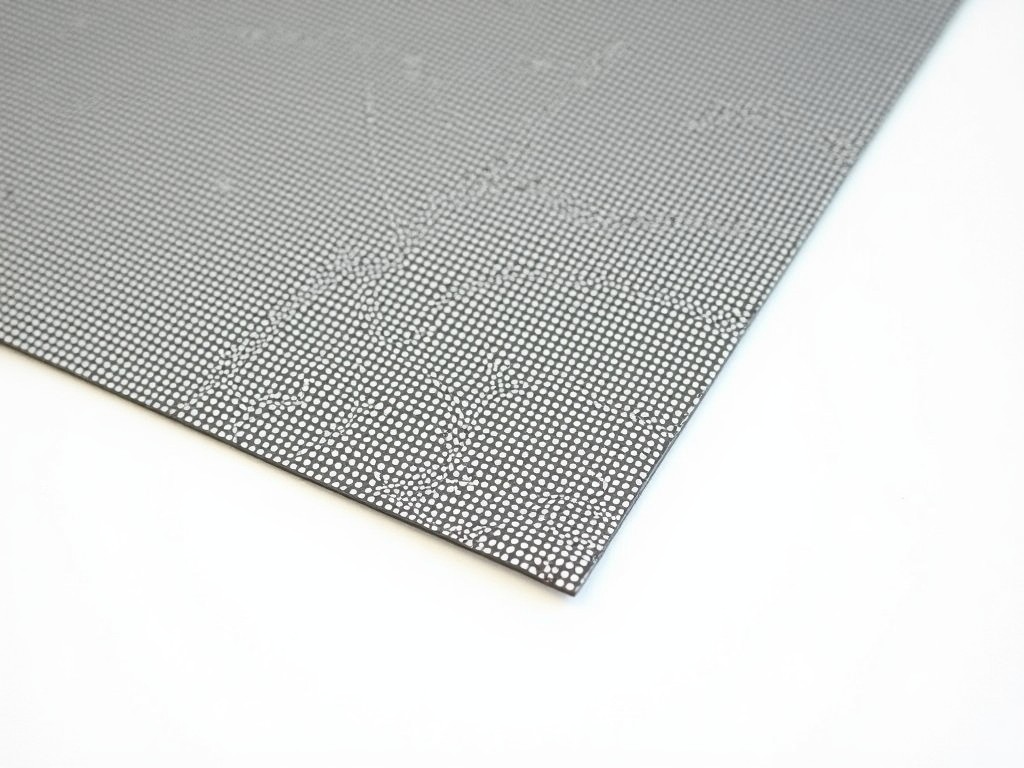
Micro perforated aluminum sheet is a precision-engineered material featuring uniformly distributed holes with diameters typically ranging from 0.1 mm to 0.5 mm, arranged in specific patterns to
Micro Perforated Aluminum Sheet
Micro perforated aluminum sheet is a precision-engineered material featuring uniformly distributed holes with diameters typically ranging from 0.1 mm to 0.5 mm, arranged in specific patterns to achieve controlled acoustic, filtration, or ventilation properties. The perforations are created using high-speed punching or laser drilling techniques, ensuring dimensional consistency and minimal burr formation. This material combines the lightweight, corrosion-resistant properties of aluminum with tailored open-area ratios for specialized industrial functions.
Material Composition and Available Alloys
The base material is typically selected from the 1xxx, 3xxx, or 5xxx series aluminum alloys, each offering distinct mechanical and environmental characteristics. Alloy 1050 provides high purity and excellent formability for decorative or low-stress applications, while 3003 offers moderate strength with good weldability and corrosion resistance. For marine or chemical exposure environments, 5052 alloy is commonly specified due to its superior resistance to saltwater and industrial atmospheres. All alloys are supplied in annealed (O) or quarter-hard (H24) tempers to balance flexibility with dimensional stability during perforation.
Perforation Patterns and Open Area Ratios
The functional performance of micro perforated aluminum sheet depends critically on hole diameter, pitch (center-to-center spacing), and arrangement pattern. Common patterns include staggered (60°), square (90°), and linear alignments, each influencing airflow dynamics, sound absorption coefficients, and visual transparency. Open area ratios typically range from 5% to 40%, with lower percentages favoring sound damping and higher ratios enabling efficient fluid or air passage. Hole diameters below 0.2 mm are achievable via laser drilling, while mechanical punching is cost-effective for diameters above 0.3 mm.
Typical Dimensions and Tolerances
| Parameter | Typical Range | Tolerance |
|---|---|---|
| Sheet Thickness | 0.2 mm – 3.0 mm | ±0.02 mm |
| Hole Diameter | 0.1 mm – 0.5 mm | ±0.01 mm |
| Pitch (Staggered) | 0.5 mm – 2.0 mm | ±0.05 mm |
| Sheet Width | Up to 1500 mm | ±2.0 mm |
| Sheet Length | Up to 3000 mm | ±3.0 mm |
Surface Treatments and Finishing Options
To enhance durability, appearance, or functional performance, micro perforated aluminum sheets can undergo various surface treatments. Anodizing (typically Type II, 5–15 µm thickness) increases surface hardness and allows for color dyeing while maintaining electrical insulation. Chromate conversion coating provides a base for paint adhesion and improves corrosion resistance in humid environments. For architectural applications, PVDF or polyester powder coating offers UV-stable finishes with warranty-backed color retention. All treatments are applied post-perforation to ensure uniformity across the hole edges and prevent coating buildup inside apertures.
Primary Industrial Applications
In acoustic engineering, micro perforated aluminum sheets serve as facing materials for sound-absorbing panels, where the hole size and backing cavity depth are tuned to target specific frequency ranges—commonly used in HVAC ducts, speaker enclosures, and architectural ceilings to reduce mid-to-high frequency noise without obstructing airflow. In filtration systems, the uniform pore structure enables precise particle retention in gas or liquid streams, particularly in semiconductor manufacturing or pharmaceutical air handling where contamination control is critical. The material also functions as a diffuser in LED lighting fixtures, distributing light evenly while minimizing glare and maintaining thermal dissipation.
Manufacturing Considerations and Process Control
Perforation accuracy depends on tooling precision, material feed stability, and thermal management during high-speed punching. For hole diameters under 0.2 mm, laser drilling is preferred to avoid deformation or burring, though it requires careful control of pulse energy and assist gas to prevent recast layer formation. Post-perforation deburring is often necessary for thicknesses above 1.0 mm to ensure smooth surfaces that do not impede fluid flow or cause wear on mating components. All batches undergo dimensional verification using optical comparators or CMM sampling to confirm hole positional accuracy within ±0.05 mm of design intent.
Customization and Ordering Requirements
Custom specifications are standard for micro perforated aluminum sheet, as performance is highly dependent on application-specific parameters. To generate a quotation, suppliers require the alloy type, thickness, hole diameter, pattern (staggered/square/linear), pitch, open area target, sheet dimensions, quantity, and any required surface treatment. Tolerance requirements beyond standard ranges (e.g., ±0.005 mm hole diameter) may necessitate special tooling or inspection protocols. Samples are typically provided upon request, with lead times ranging from 2–4 weeks for stock alloys and 4–6 weeks for custom temper or coating requirements.
Quality Assurance and Inspection Protocols
Quality control begins with incoming material certification, verifying alloy composition and temper via spectrometer and hardness testing. During production, in-line vision systems monitor hole registration and detect missing or deformed perforations at speeds exceeding 50 m/min. Final inspection includes open area verification via air flow testing, surface appearance assessment under standardized lighting, and edge quality checks for burr height or deformation. Documentation typically includes mill test reports, perforation pattern confirmation, and, upon request, third-party acoustic or filtration performance data.
More Products

Send Inquiry
If you are interested in our products, leave your information here and we will be in touch shortly.