Oem Modular Kitchen Steel Basket Price
The price of OEM modular kitchen steel baskets depends on engineering specifications rather than standardized catalog pricing. Industrial buyers evaluating these components must consider material
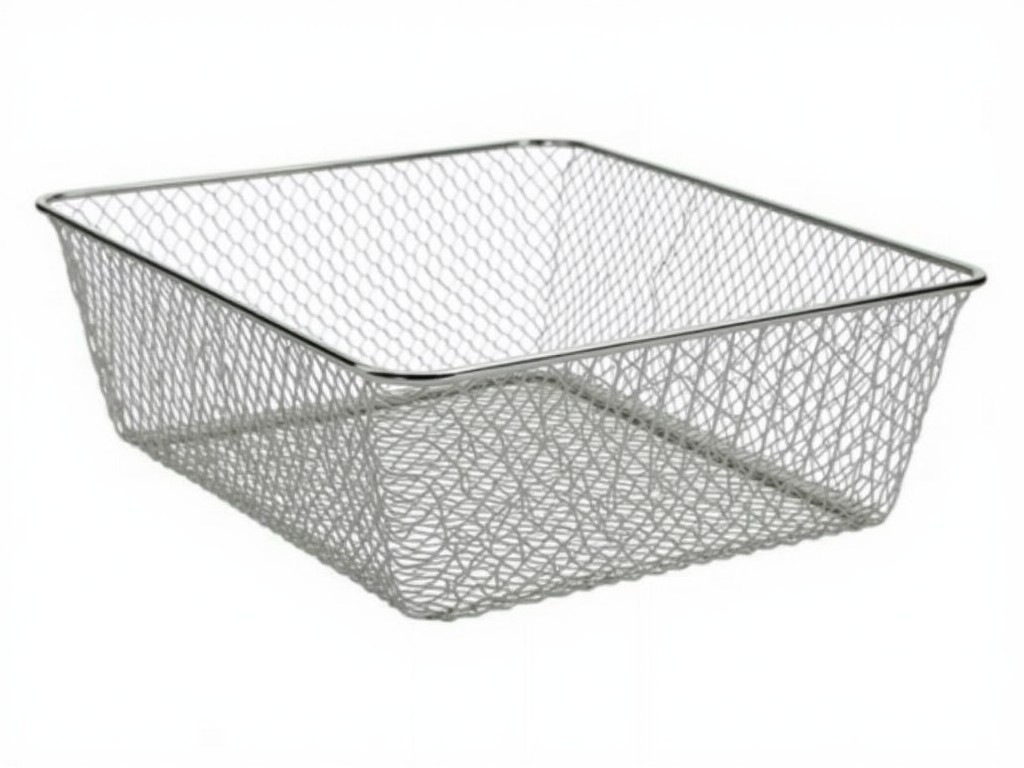
OEM Modular Kitchen Steel Basket Price: Technical Specifications and Customization Factors
The price of OEM modular kitchen steel baskets depends on engineering specifications rather than standardized catalog pricing. Industrial buyers evaluating these components must consider material grade, dimensional tolerances, surface treatment, load capacity, and integration requirements with cabinet systems. This page outlines the technical variables that influence unit cost, enabling procurement teams to request accurate quotations based on functional needs.
Unlike retail accessories, OEM steel baskets are engineered for specific cabinet geometries, dynamic loads, and lifecycle expectations in commercial or high-end residential kitchens. Price variations reflect differences in steel thickness, forming complexity, corrosion protection, and hardware compatibility—not brand markup. Understanding these factors reduces risk of over-specification or under-engineering during sourcing.
Manufacturers typically quote based on detailed drawings or 3D models provided by the OEM. Without these inputs, any published price range is indicative only and subject to change based on final design validation. The following sections detail the key technical levers affecting cost.
Material Selection and Its Impact on Cost
The base material is the primary cost driver in steel basket fabrication. Most OEM applications use cold-rolled steel (SPCC, DC01) or stainless steel (AISI 304, 316) depending on environmental exposure and load requirements. Carbon steel baskets require protective coatings to prevent rust, while stainless steel offers inherent corrosion resistance at a higher material cost.
Sheet thickness typically ranges from 0.8mm to 2.0mm. Thicker gauges increase material cost and stamping force requirements but improve rigidity and dynamic load capacity—critical for pull-out baskets carrying heavy cookware. For example, a 1.5mm SPCC basket may cost 20–30% more than a 1.0mm version due to material volume and tooling wear.
Stainless steel 304 adds approximately 40–60% to base material cost compared to coated carbon steel, with 316 grade adding another 20–30% for chloride resistance in humid or coastal environments. OEMs must balance lifecycle cost against upfront expense, particularly in installations where maintenance access is limited.
Forming Complexity and Tooling Considerations
Beyond material, the geometry of the basket significantly affects manufacturing cost. Simple rectangular frames with uniform bends are less expensive to produce than complex geometries featuring curved sides, variable wall heights, or integrated dividers. Each additional bend or feature increases stamping cycle time, tooling complexity, and scrap rate.
Features such as rolled edges for safety, reinforced corners for load distribution, or perforated bases for drainage require specialized dies and secondary operations. A basket with a rolled front edge and reinforced rear mounting points may incur 15–25% higher tooling and labor costs compared to a basic square design with sharp edges.
Prototyping and tooling validation are typically amortized over the production run. For low-volume OEM programs (<5,000 units), tooling costs can represent a significant portion of the unit price. High-volume runs (>50,000 units) distribute this cost, making complex geometries more economically viable.
Surface Treatment and Corrosion Protection
Surface finishing affects both cost and durability. Common treatments include electrogalvanizing (Zinc coating), powder coating, electrophoretic deposition (EPD), and passivation for stainless steel. Each method adds processing steps and material costs while providing varying levels of corrosion resistance and aesthetic finish.
Electrogalvanizing typically adds $0.20–$0.50 per unit depending on coating thickness (8–12μm standard). Powder coating increases cost by $0.40–$0.80 per unit due to powder material, curing energy, and booth overhead. EPD offers superior edge coverage but requires specialized equipment, adding $0.60–$1.00 per unit.
For stainless steel baskets, passivation or electropolishing may be specified to enhance corrosion resistance and cleanability, adding $0.30–$0.70 per unit. The choice of finish should align with the cabinet’s environmental exposure—interior dry zones may accept basic galvanizing, while under-sink or humid environments warrant thicker coatings or stainless steel.
Load Capacity, Hardware Integration, and Dynamic Performance
Load rating directly influences material thickness, reinforcement design, and hardware selection. Baskets intended for heavy loads (e.g., 25–35kg dynamic capacity) require thicker steel, reinforced corners, and compatible slide mechanisms with appropriate load ratings. The hardware itself—slides, brackets, dampers—is often sourced separately but must be factored into the OEM’s total system cost.
Dynamic load testing (e.g., 50,000 cycles at full load) may be required for certification, adding validation costs. OEMs should specify expected load profiles—static vs. dynamic, concentrated vs. distributed—to avoid over-engineering. A basket rated for 15kg static load may use 0.8mm steel, while a 30kg dynamic rating often necessitates 1.2–1.5mm with added gussets.
Integration features such as pre-drilled mounting holes, slide compatibility brackets, or anti-tip mechanisms increase part complexity but reduce assembly time and field failure risk. These are not cosmetic additions—they are functional requirements that affect both cost and reliability.
Typical Price Ranges and Quotation Basis
Published price ranges for OEM modular kitchen steel baskets are highly conditional and should be treated as starting points for discussion. Based on common specifications in 2024–2025 programs:
| Specification Tier | Typical Material | Thickness (mm) | Load Capacity (kg) | Indicative Price Range (USD/unit) |
|---|---|---|---|---|
| Basic Interior Shelf | Electrogalvanized SPCC | 0.8–1.0 | 10–15 (static) | $1.80–$3.20 |
| Standard Pull-Out Basket | Powder-coated SPCC | 1.0–1.2 | 15–25 (dynamic) | $3.50–$6.00 |
| Heavy-Duty / Under-Sink | EPD-coated SPCC or AISI 304 | 1.2–1.8 | 25–35 (dynamic) | $6.50–$12.00 |
| Premium Stainless Steel | AISI 304, passivated | 1.0–1.5 | 20–30 (dynamic) | $8.00–$15.00 |
Note: These values are typical for volumes exceeding 10,000 units annually. Lower volumes increase unit cost due to tooling amortization. Final pricing requires review of 2D/3D drawings, material certificates, finish specifications, and hardware compatibility lists. Tooling costs, if applicable, are quoted separately and amortized over the agreed production volume.
OEMs should provide detailed requirements including: cabinet opening dimensions, extension length, load profile, environmental conditions, preferred slide type (ball bearing, soft-close, push-to-open), and any regulatory compliance needs (e.g., NSF, REACH). This enables accurate cost modeling and avoids costly redesigns during sampling.
For technical consultation or to request a quotation based on your specific design, please contact our engineering team. Provide your CAD models, material preferences, load requirements, and annual volume estimates for a detailed, no-obligation quote.
More Products

Send Inquiry
If you are interested in our products, leave your information here and we will be in touch shortly.