Wholesale Perforated Sheet Ss 304
Perforated sheet made from stainless steel grade 304 is a precision-engineered material used across industrial, architectural, and filtration applications where corrosion resistance, structural
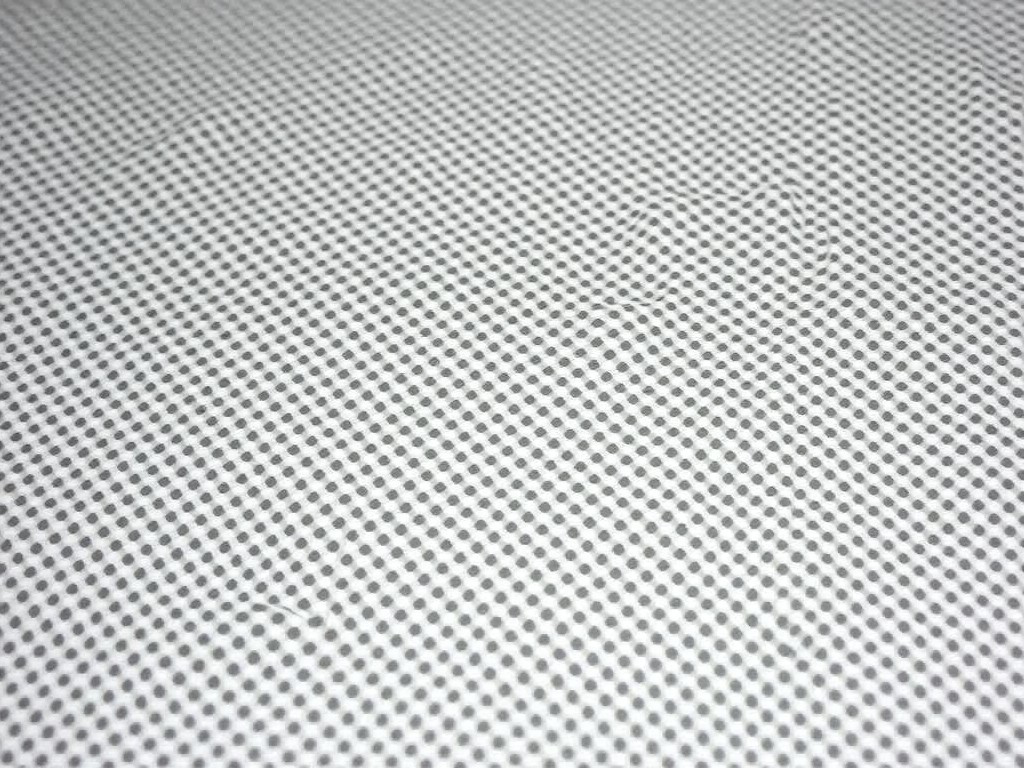
Wholesale Perforated Sheet SS 304
Perforated sheet made from stainless steel grade 304 is a precision-engineered material used across industrial, architectural, and filtration applications where corrosion resistance, structural integrity, and consistent hole patterns are required. The 304 alloy provides a balanced composition of 18% chromium and 8% nickel, offering excellent resistance to oxidation and many chemical environments at ambient and elevated temperatures. Unlike coated or lower-grade steels, SS 304 maintains its surface integrity without painting or plating, reducing long-term maintenance needs in exposed installations.
The perforation process involves CNC-controlled punching or laser drilling to create uniform hole arrays with tight tolerances on diameter, pitch, and open area. This ensures predictable flow characteristics, structural performance, and aesthetic consistency—critical for applications such as machine guards, ventilation panels, acoustic dampeners, and food processing screens. Buyers sourcing wholesale quantities benefit from standardized production runs that minimize variation between lots, simplifying integration into assembly lines or architectural façades.
For procurement teams, specifying SS 304 perforated sheet requires clarity on hole geometry, sheet thickness, and edge treatment to avoid costly rework or compatibility issues. The material’s non-magnetic annealed condition (typically 1/4 hard or full hard) allows for forming and welding without significant loss of corrosion resistance, though post-weld passivation is recommended in aggressive environments. Understanding these technical nuances enables informed decisions that balance performance, lifespan, and total cost of ownership.
Technical Specifications
The following table outlines typical specifications for wholesale SS 304 perforated sheet. Actual values may vary based on hole pattern, thickness, and mill tolerances; custom configurations are available upon request to meet specific engineering requirements.
| Parameter | Typical Value / Range | Notes |
|---|---|---|
| Material Grade | ASTM A240 Type 304 | 18Cr-8Ni, low carbon |
| Sheet Thickness | 0.5 mm – 6.0 mm | Thicker gauges available for structural loads |
| Hole Diameter | 0.8 mm – 25.0 mm | Round, square, slot, hexagonal, custom |
| Pitch (Center-to-Center) | 1.2 mm – 50.0 mm | Determines open area and structural strength |
| Open Area | 10% – 70% | Calculated based on hole shape and pitch |
| Standard Sheet Size | 1000 mm × 2000 mm, 1250 mm × 2500 mm | Custom lengths and widths available |
| Edge Condition | Mill edge, deburred, trimmed to size | Deburring reduces burr height to <0.1 mm |
| Surface Finish | #2B mill finish, #4 brushed, #8 mirror | Finish affects reflectivity and cleaning ease |
| Tolerance (Hole Size) | ±0.05 mm (for CNC punching) | Tighter tolerances available via laser |
| Tolerance (Pitch) | ±0.10 mm | Critical for alignment in multi-panel installations |
Manufacturing Considerations
Producing high-quality perforated SS 304 sheet requires precise control over tooling, material feed, and lubrication to prevent galling, burr formation, and dimensional drift during punching. Tool wear directly affects hole diameter consistency; therefore, manufacturers use hardened tool steels (e.g., D2, M2) with coatings like TiN or DLC to extend life and maintain hole wall quality. Lubricants are selected based on compatibility with subsequent processes such as welding or food-grade cleaning—chlorinated or sulfur-based lubricants are avoided in sanitary applications.
Sheet flatness is another critical factor, especially in thinner gauges (<1.0 mm), where residual stresses from rolling or punching can cause warping. Stress-relief annealing or leveling rolls are often employed post-perforation to achieve DIN EN 10162 Class A or B flatness tolerances. For architectural panels, additional roller leveling or tension leveling may be specified to ensure visual uniformity under grazing light.
Edge treatment depends on end use: mill edges suffice for welded frames, while deburred or rounded edges are required for handler safety in consumer-facing equipment or where sheets are frequently handled. In food, pharmaceutical, or cleanroom environments, edges are often polished to Ra <0.8 µm to eliminate crevices that could harbor contaminants.
Applications and Industry Fit
In food processing, SS 304 perforated sheets are used as dryer screens, washing belts, and sorting trays because the alloy resists corrosion from acidic food products, steam, and frequent CIP (clean-in-place) cycles with alkaline detergents. The smooth, non-porous surface prevents bacterial adhesion, and perforations allow efficient drainage and airflow—critical for maintaining product quality and compliance with FDA 21 CFR §174 and EU 1935/2004.
For industrial filtration, the sheet serves as a support media for filter cartridges or as a standalone strainer in hydraulic and pneumatic systems. The open area determines flow rate, while hole size controls particle retention; engineers select patterns like 3mm holes at 6mm pitch for 25% open area in lubricant filtration, balancing pressure drop with contaminant capture efficiency. Unlike woven mesh, perforated sheet offers higher burst strength and resistance to pleating under differential pressure.
In architectural and HVAC applications, perforated SS 304 functions as sunshade panels, façade cladding, and return air grilles. The hole pattern modulates light transmission and visibility while providing structural rigidity—e.g., a 5mm hole at 10mm pitch (25% open area) in 1.5mm sheet delivers sufficient stiffness for spans up to 600mm without deflection under wind load. The material’s natural oxide layer self-repairs if scratched, preserving appearance over decades in urban or coastal environments.
Acoustic engineers use perforated SS 304 as a facing material for sound-absorbing cores in enclosures and machinery housings. The perforations allow sound waves to penetrate the backing material (e.g., mineral wool or foam), where energy is dissipated via friction. Hole diameter and spacing are tuned to target specific frequency ranges—smaller holes (<2mm) absorb higher frequencies, while larger patterns improve low-frequency absorption when paired with adequate cavity depth.
Customization Options
Wholesale buyers can specify variations beyond standard catalog offerings to match precise functional or aesthetic needs. Customization is driven by application requirements such as flow dynamics, structural load, visual design, or regulatory compliance, and manufacturers adjust tooling, material temper, and post-processing accordingly.
- Hole Shapes: Round, square, slotted, hexagonal, decorative, or custom profiles
- Pattern Layouts: Staggered, straight, radial, tapered, or variable density zones
- Material Temper: Annealed, 1/4 hard, 1/2 hard, or full hard for formability vs. strength
- Sheet Size: Custom lengths up to 6000mm, widths to 2000mm, or coil-fed processing
- Surface Treatments: Passivation, electropolishing, PVD coating, or fingerprint-resistant finishes
- Edge Processing: Laser cutting, waterjet trimming, beading, or framing with SS angles
For example, a pharmaceutical client may request 1.2mm thick SS 304 with 1.5mm round holes at 3mm staggered pitch (25% open area), electropolished to Ra <0.4mm, and deburred edges for use in a lyophilizer chamber. An architectural designer might specify 2.0mm sheet with 8mm square holes at 16mm straight pitch, #4 brushed finish, and laser-cut curved edges for a ventilated rainscreen. These specifications are reviewed for manufacturability before quoting to ensure tooling feasibility and material utilization efficiency.
Quality Assurance and Inspection
Quality control for wholesale perforated SS 304 sheet focuses on dimensional accuracy, surface integrity, and material consistency to prevent field failures or assembly issues. Inspection protocols are applied at multiple stages—incoming coil, post-perforation, and final packaging—to catch deviations early and maintain lot traceability.
| Inspection Item | Method | Acceptance Criteria |
|---|---|---|
| Hole Diameter | Optical comparator or vision system | ±0.05 mm of nominal (CNC punching) |
| Pitch Accuracy | Laser measurement or CMM | ±0.10 mm over 300mm length |
| Open Area | Calculated from hole count and size | Within ±3% of target |
| Sheet Flatness | Dial indicator or laser scanner | Class A: <4mm/m; Class B: <8mm/m (DIN EN 10162) |
| Burr Height | Tactile probe or optical microscopy | <0.10 mm for deburred edges |
| Material Composition | XRF or OES spectroscopy | Cr: 17.5–19.5%, Ni: 8.0–10.5%, C: <0.08% |
| Surface Finish | Visual comparison or gloss meter | Match to approved sample (#2B, #4, etc.) |
| Edge Quality | Visual and tactile inspection | No sharp edges; deburred or rounded as specified |
Each lot is accompanied by a mill test report (MTR) confirming chemical composition and mechanical properties, and a certificate of conformance (CoC) detailing perforation specifications. For regulated industries, additional documentation such as FDA compliance statements or ISO 13485 traceability can be provided. Packaging uses moisture-resistant interleaving and edge protection to prevent scratching or corrosion during transit, with humidity indicators included for sea freight.
Ordering and Lead Times
Wholesale orders for SS 304 perforated sheet are typically processed against approved drawings or specification sheets that define hole pattern, thickness, size, finish, and edge treatment. Clear documentation reduces back-and-forth and ensures the first article matches expectations. Minimum order quantities vary by pattern complexity and sheet size but often start at one standard sheet (e.g., 1250mm × 2500mm) for common rounds and squares, with lower MOQs available for coil-fed processing of simple patterns.
Lead times depend on material availability, tooling requirements, and production load. Standard patterns (e.g., 3mm round holes at 6mm pitch) in stock thicknesses (0.8mm, 1.0mm, 1.5mm, 2.0mm) usually ship within 7–10 business days after drawing approval. Custom patterns requiring new punch tools or laser programming may add 2–3 weeks for tool fabrication and trial runs. Urgent requests can be accommodated through prioritized scheduling, though this may affect pricing.
To request a quotation, provide: material grade (SS 304), thickness, hole size and shape, pitch, open area (if known), sheet dimensions, quantity, finish, edge condition, and any applicable standards (e.g., ASTM, ISO, FDA). Including a sketch or DXF file accelerates engineering review. Samples are available upon request for validation, typically shipped within 3–5 days of request for standard configurations.
For technical inquiries, custom specifications, or to request a quotation for wholesale perforated sheet SS 304, please contact our engineering team.
Request a Quote
More Products

Send Inquiry
If you are interested in our products, leave your information here and we will be in touch shortly.