6 Foot Chain Link Fence With Barbed Wire
A 6 foot chain link fence with barbed wire is a perimeter security solution designed for industrial, commercial, and high-risk applications requiring physical deterrence and unauthorized access
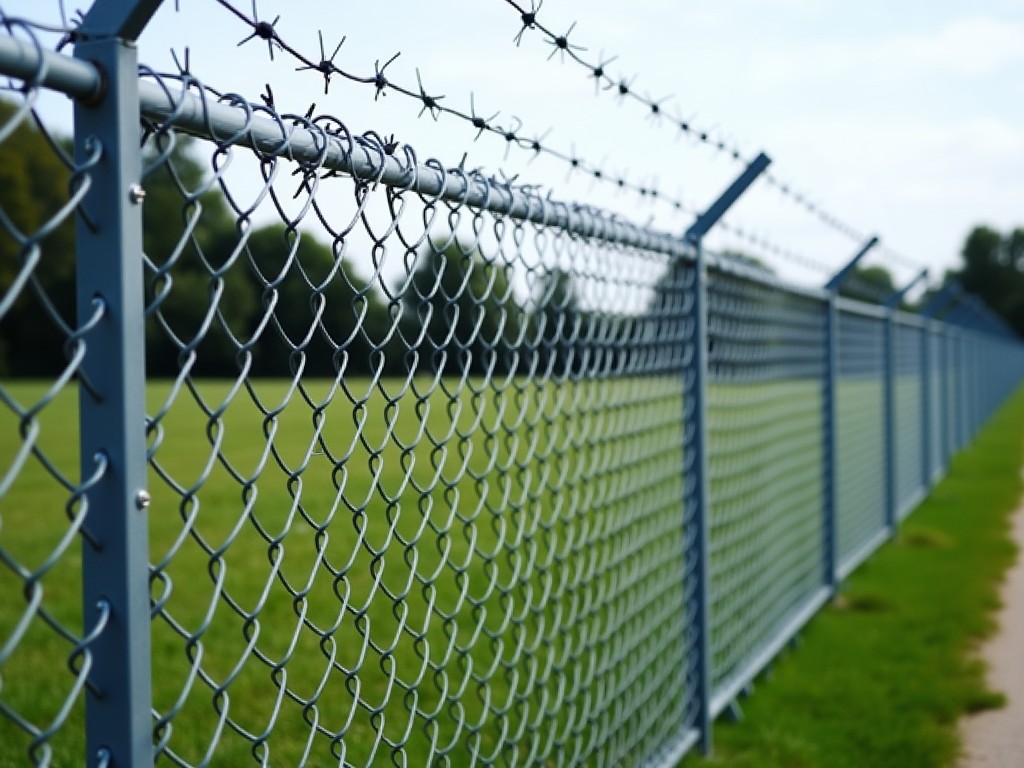
6 Foot Chain Link Fence with Barbed Wire
A 6 foot chain link fence with barbed wire is a perimeter security solution designed for industrial, commercial, and high-risk applications requiring physical deterrence and unauthorized access prevention. The system combines a standard 6-foot-high chain link fabric with one or more strands of barbed wire mounted at the top, increasing effective barrier height and climb resistance. This configuration addresses security needs where basic fencing is insufficient but full-scale anti-terrorism barriers are not warranted.
The fence height is measured from the ground to the top of the chain link fabric, with barbed wire adding typically 6 to 12 inches of additional deterrent height depending on strand count and mounting angle. Posts are set in concrete footings to resist lateral loads from wind, tension, and impact attempts. Galvanized steel components provide corrosion resistance suitable for outdoor exposure in most climates, with optional coatings for enhanced longevity in harsh environments.
Technical Specifications
The chain link fabric is manufactured from steel wire formed into a uniform diamond mesh pattern. Standard specifications include 9-gauge (0.148 inch) core wire for the mesh, with a zinc coating weight meeting ASTM A121 Class D (minimum 0.80 oz/ft²) for hot-dip galvanization. Mesh openings are typically 2 inches, providing visibility while preventing hand or foot holds for climbing. The fabric is knuckled at both top and bottom edges to eliminate sharp protrusions.
Barbed wire strands consist of two twisted 12.5-gauge steel wires with barbs formed from 14-gauge wire, spaced at 5-inch intervals. The barbs are typically 4-point design for uniform deterrence from any angle. Mounting options include overhang arms (typically 45-degree outward angle) or vertical extensions, with the number of strands ranging from one to three based on security requirements. All steel components undergo hot-dip galvanization to ASTM A123 standards unless otherwise specified.
Line posts are usually 2.375-inch outside diameter (OD) steel pipe, set at 10-foot intervals, while terminal posts (corners, ends, gates) use 2.875-inch OD pipe for increased strength. Top rail is 1.660-inch OD pipe, providing lateral stability to the fabric. Tension wire runs along the bottom to prevent fabric lifting, and tie wires or clips secure the mesh to posts and rails. All fittings are malleable iron or steel, hot-dip galvanized to match post and fabric corrosion resistance.
Material Options and Coatings
While hot-dip galvanized steel is the standard for corrosion protection, alternative coatings are available for specific environmental conditions. In coastal or industrial areas with high chloride or sulfur exposure, a polyvinyl chloride (PVC) coating over galvanized steel extends service life by providing a barrier against electrolytic corrosion. PVC-coated systems typically use the same galvanized core but add a 0.010-inch thick colored coating (commonly black, green, or brown) for aesthetic blending with surroundings.
For applications requiring non-conductive properties or extreme chemical resistance, stainless steel fabric (typically Type 304 or 316) can be specified, though cost increases significantly. Barbed wire in such systems is also stainless steel to maintain galvanic compatibility. Zinc-aluminum alloy coatings (e.g., Galfan) offer improved edge protection over standard zinc and may be selected for environments with frequent mechanical abrasion. Coating choice directly impacts long-term maintenance frequency and lifecycle cost.
The selection between coating systems depends on environmental exposure, required service life, and budget. Hot-dip galvanization alone provides 20–30 years of service in moderate climates, while PVC coating can extend this to 30–50 years in aggressive settings. Stainless steel exceeds 50 years but is reserved for specialized cases due to cost. All options maintain the same structural dimensions and mechanical properties; only the surface protection varies.
Security Performance and Design Considerations
The primary security function of the barbed wire overlay is to deter climbing by increasing the physical difficulty and risk of injury at the top of the fence. A 6-foot chain link fabric alone can be scaled by an agile individual in seconds; adding barbed wire increases the time and effort required, raising the likelihood of detection or abandonment. The outward-overhang mounting angle (typically 45 degrees) further enhances effectiveness by positioning the barbs away from the fence face, making it harder to grasp the top rail for leverage.
Security effectiveness is not solely dependent on the barrier itself but also on integration with complementary measures such as lighting, surveillance, and patrol procedures. The fence defines a clear boundary and delays intrusion, providing time for response. For high-security sites, additional strands of barbed wire or concertina wire may be added, or the fence height increased to 8 feet with similar top treatments. Risk assessments should consider local threat levels, asset value, and regulatory requirements when determining the appropriate configuration.
It is important to note that barbed wire presents a hazard to authorized personnel and wildlife, necessitating warning signs in many jurisdictions. Local ordinances may restrict barbed wire height, proximity to public walkways, or require specific mounting methods to minimize unintended contact. Compliance with OSHA, local building codes, and property liability considerations should be verified during design. The system is intended as a passive deterrent, not an impenetrable barrier, and works best as part of a layered security strategy.
Installation and Maintenance
Proper installation is critical to performance and longevity. Posts must be set in concrete footings with a minimum depth of 36 inches for 6-foot height, though deeper embedment (42–48 inches) is recommended in loose soils or high-wind areas. The concrete should extend below the frost line in cold climates to prevent heave. Post spacing for line posts is typically 10 feet on center, with terminal posts requiring larger footings due to concentrated tension loads. All posts must be plumb and aligned before concrete sets.
After post setting, the top rail is installed through post caps, followed by unrolling and stretching the chain link fabric using a come-along or power stretcher to achieve uniform tension (typically 200–300 lbs at midpoint). The fabric is secured to the top rail with aluminum ties every 24 inches and to line posts with steel clips or ties every 12 inches. Bottom tension wire is stretched and secured to prevent sagging. Barbed wire arms are attached to terminal and line posts at the specified height and angle, with strands stretched and secured using vise-style grips or automatic tensioners.
Maintenance requirements are minimal but essential for sustained performance. Annual inspections should check for fabric damage, post movement, coating degradation, and loose fasteners. Vegetation near the fence should be cleared to prevent moisture retention and climbing aids. In galvanized systems, white rust or red rust indicates coating failure and may require spot repair with zinc-rich primer. PVC-coated systems should be inspected for cracking or peeling, especially at bends and joints. Tension should be rechecked periodically, particularly after extreme weather events, to ensure the barrier remains taut and effective.
Applications
This fence configuration is commonly used in utility substations, water treatment facilities, telecommunications sites, and data centers where perimeter security must prevent unauthorized access to critical infrastructure. The 6-foot height with barbed wire meets NERC CIP-014 physical security guidelines for medium-impact substations and satisfies many local jurisdictional requirements for electrical facility protection. The open mesh design allows for visual inspection and camera visibility while maintaining a defined boundary.
Industrial manufacturing plants, warehouses, and logistics centers deploy this system to secure storage yards, equipment areas, and vehicle access points. It deters trespassing, theft, and vandalism while allowing airflow and light penetration—advantages over solid barriers in climates requiring ventilation. The system is also used around correctional facility perimeters (as an inner or secondary barrier), school grounds, and recreational fields where climb prevention is needed without the visual impact of taller fences.
Additional applications include agricultural facilities protecting livestock or high-value crops, construction sites securing tools and materials, and government installations requiring baseline perimeter definition. The modular nature of chain link fencing allows for gates of various sizes (swing, slide, or cantilever) to be integrated at access points, maintaining security while enabling authorized vehicle and pedestrian flow. Customization options such as privacy slats, vandal-resistant tops, or integrated sensor cables can be added based on specific site requirements.
| Component | Standard Specification | Optional Upgrades |
|---|---|---|
| Chain Link Fabric | 9-gauge, 2" mesh, hot-dip galvanized (ASTM A121) | PVC-coated, stainless steel (304/316), zinc-aluminum alloy |
| Barbed Wire | Two-strand, 12.5-gauge core, 4-point barbs @ 5" spacing | Three-strand, concertina wire, stainless steel barbs |
| Line Posts | 2.375" OD steel pipe, hot-dip galvanized | Larger OD, concrete-filled, stainless steel |
| Top Rail | 1.660" OD steel pipe, hot-dip galvanized | PVC-coated, stainless steel |
| Fittings | Malleable iron/steel, hot-dip galvanized | Stainless steel, nylon-coated |
Customization and Project Requirements
Every perimeter security project has unique variables that influence fence specifications. Key inputs required for accurate quotation include total linear footage, number and width of gates (swing, slide, or pedestrian), post spacing preferences (standard 10 ft or adjusted for soil/load conditions), corner and end post locations, and gate hardware requirements (locks, hinges, operators for automated gates). Changes in any of these parameters affect material quantities, post sizing, and labor estimates.
Environmental factors dictate coating selection and post embedment depth. Sites in coastal zones, industrial corridors, or areas with high soil resistivity may require upgraded corrosion protection or cathodic consideration. Local building codes or zoning ordinances may restrict fence height, barbed wire use, or setback distances from property lines or public rights-of-way. Some jurisdictions require permits for fences over a certain height or with security features, necessitating documentation for approval.
Manufacturers typically provide shop drawings showing post layout, gate details, and grounding points (if required for electrical sites). Customization extends to fabric color (for PVC-coated systems), barb wire strand count and angle, and integration of security enhancements such as anti-climb rollers, sensor cables, or CCTV mounting brackets. Lead times vary based on material availability and coating type, with standard galvanized systems typically shipping in 2–4 weeks and coated or stainless options taking longer. Clients should confirm whether pricing includes posts, concrete, gravel, and installation hardware or if these are supplied separately.
For technical consultation, detailed quotations, or project-specific engineering support regarding 6 foot chain link fence with barbed wire systems, please contact our technical team.
Request Technical Specification Sheet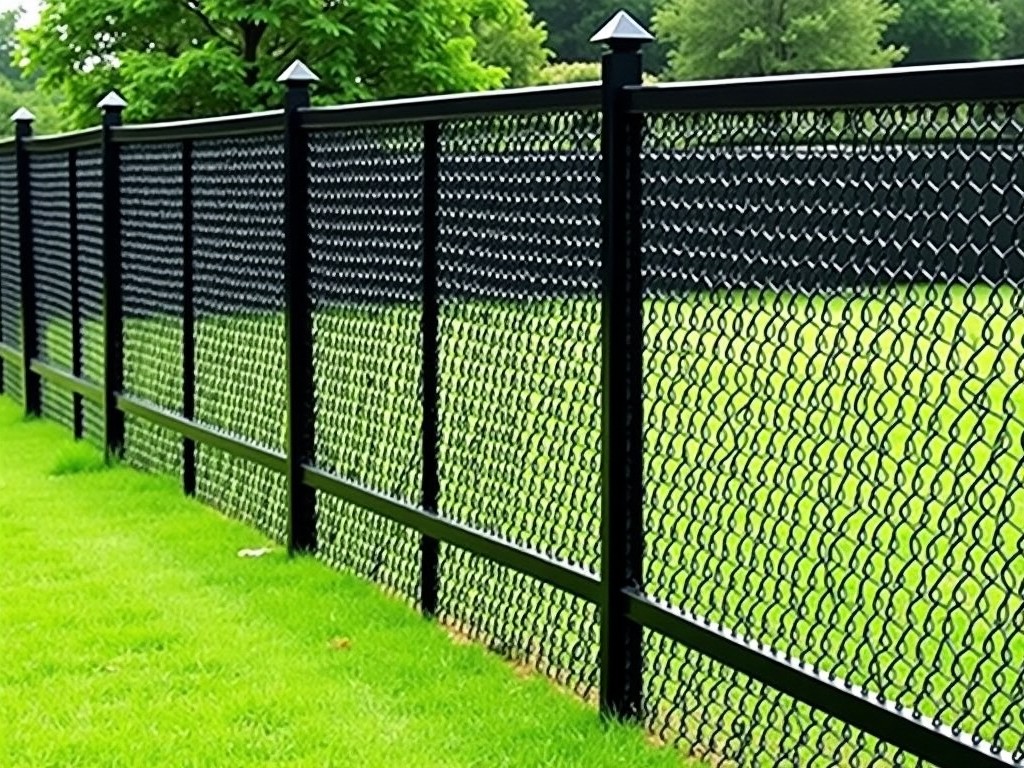
More Products

Send Inquiry
If you are interested in our products, leave your information here and we will be in touch shortly.