Automatic Barbed Wire Making Machine Price
The price of an automatic barbed wire making machine depends on several technical factors directly related to production capacity, wire gauge compatibility, automation level, and mechanical
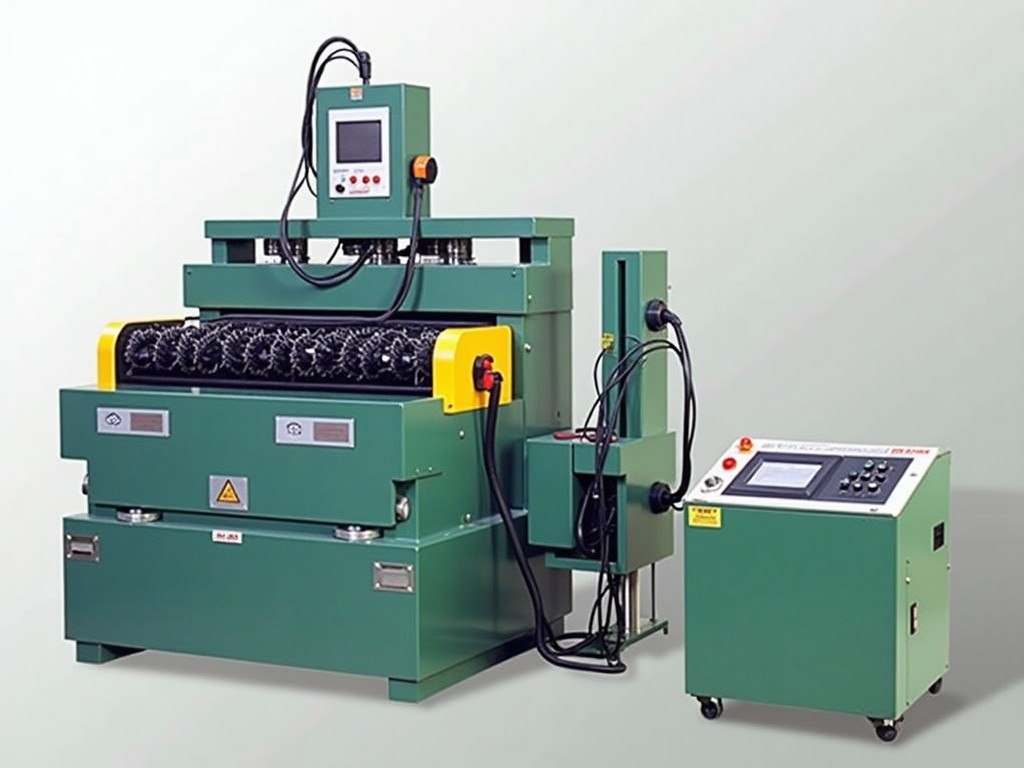
Automatic Barbed Wire Making Machine Price
The price of an automatic barbed wire making machine depends on several technical factors directly related to production capacity, wire gauge compatibility, automation level, and mechanical durability. Buyers seeking accurate pricing must first define their operational requirements, as machine cost scales with throughput capacity, material handling complexity, and control system sophistication. Understanding these variables enables procurement teams to evaluate quotations based on functional specifications rather than superficial comparisons.
Key Technical Factors Influencing Price
Wire diameter range is a primary determinant of machine cost, as it dictates the size of driving motors, gear reduction ratios, and forming tool strength. Machines designed for 1.2mm–2.0mm galvanized steel wire require heavier frames and higher torque systems compared to those limited to 0.8mm–1.5mm, directly increasing material and machining expenses. The ability to handle hard-drawn versus soft annealed wire also affects clutch and brake specifications, which are reflected in pricing.
Production speed, measured in meters per minute, correlates with motor power, bearing quality, and lubrication system design. A machine rated for 60 m/min output necessitates precision-ground shafts, hardened sprockets, and thermal management features absent in 30 m/min models, justifying a higher price point through extended service life and reduced maintenance frequency.
Automation Level and Control Systems
Semi-automatic models require manual wire threading and barb length adjustment, reducing initial cost but increasing labor dependency and setup variability. Fully automatic systems integrate photoelectric sensors for wire break detection, programmable logic controllers (PLCs) for barb spacing control, and automatic tension regulators, which add 20–35% to the base price but minimize scrap rates and operator training needs.
Human-machine interface (HMI) complexity also affects cost; basic push-button panels are standard, while touchscreen interfaces with recipe storage, fault logging, and remote diagnostics capability increase electrical subsystem expenses. These features are particularly valuable in high-mix production environments where frequent changeovers occur.
Integration with upstream coilers and downstream bundling systems influences overall line pricing. Machines equipped with synchronized speed tracking via encoder feedback or analog signal matching command a premium due to the added control hardware and software engineering required for seamless line operation.
Typical Price Ranges by Configuration
| Configuration | Wire Diameter Range | Output Speed | Typical Price Range (USD) |
|---|---|---|---|
| Semi-automatic, fixed barb length | 1.0–1.6 mm | 20–40 m/min | $8,500 – $12,000 |
| Fully automatic, adjustable barb length | 1.2–2.0 mm | 40–70 m/min | $15,000 – $22,000 |
| High-speed, PLC-controlled, dual-strand | 1.5–2.5 mm | 60–100 m/min | $25,000 – $35,000 |
*Prices are indicative and vary based on regional sourcing, electrical standards (e.g., 380V/50Hz vs 460V/60Hz), and optional accessories such as wire straighteners, decoilers, or packaging integrators.
Cost Considerations Beyond Initial Purchase
Tooling wear parts—such as cutting blades, forming rollers, and guide tubes—represent recurring expenses that vary by machine design. Hardened tool steel components (e.g., D2 or H13) last 3–5 times longer than standard carbon steel but increase spare parts cost by 40–60%. Machines with quick-change tooling reduce downtime during maintenance, offering long-term savings despite higher upfront investment.
Energy consumption differs significantly between models; a 5.5 kW drive system operating at 60 m/min consumes approximately 4.1 kWh per 100 kg of wire produced, while inefficient designs with excessive friction or oversized motors may exceed 6.5 kWh. Buyers should request specific power draw data under load to assess operational expenditure.
Spare parts availability and manufacturer support structure impact total cost of ownership. Suppliers offering standardized, globally sourced components (e.g., SKF bearings, Siemens PLCs) reduce lead times and dependency on proprietary parts, lowering risk of extended downtime during repairs.
Requesting an Accurate Quotation
To receive a precise price quotation, buyers should provide: required wire diameter (min/max), desired barb length and spacing, target output rate (meters per hour), wire material type (galvanized, stainless, PVC-coated), and available factory power supply (voltage, phase, frequency). Additional details such as facility layout constraints, integration needs with existing equipment, and preferred control interface (button vs HMI) enable vendors to specify the correct machine variant.
Vendors typically require this information to avoid quoting machines that are either under-specified (leading to production bottlenecks) or over-specified (resulting in unnecessary capital expenditure). A technical data sheet outlining these parameters ensures alignment between buyer needs and supplier proposal.
Lead times for standard models range from 6–10 weeks, while customized configurations with special tooling or control modifications may extend to 12–16 weeks. Confirming production schedule and shipping terms (e.g., EXW, FOB, CIF) early in the process prevents delays in project planning.
For a detailed, no-obligation quotation tailored to your production specifications, please contact our technical sales team. Provide your wire requirements and operational constraints to receive a machine configuration and price estimate engineered for your specific application.
Request Quotation Ask Technical Questions
More Products

Send Inquiry
If you are interested in our products, leave your information here and we will be in touch shortly.